Wreckage in Isfahan Desert After US Rescue Mission

Wreckage in Isfahan Desert After US Rescue Mission
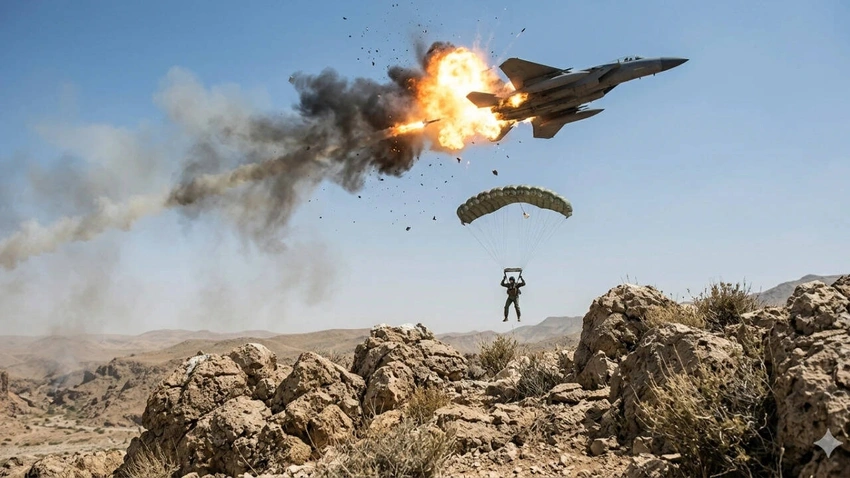
Desert wreckage near Shahreza marks the end of a two-day US rescue operation to recover airmen after Iran shot down an F-15.
In a patch of desert near Shahreza in Isfahan province, the charred remains of two US C-130 Hercules transports and at least two helicopters lay scattered hours after a two-day rescue operation. The mission aimed to recover two US airmen from the downed F-15 fighter jet Iran had shot down days earlier, a strike that has intensified regional tensions. The wreckage and the surrounding dust echoed with the weight of a crisis that has drawn in multiple parties and raised questions about international rules of engagement.
Eyewitnesses described a night filled with engines, explosions, and frantic activity as aircraft landed on a dirt airstrip that locals say is normally used for crop-dusting. Parzan, a small farming community near Shahreza, woke to the sounds of distant aircraft and gunfire that spilled into the early hours. The airstrip’s convert-to-military use hints at how quickly civilian infrastructure can become a staging ground in a high-stakes operation.
By sunset, municipal workers and Iranian army personnel had moved in to clear debris and secure the site, while search-and-rescue teams assessed what remained of the mission. Officials have withheld detailed casualty figures as investigators work to tally losses from the two days of intense activity. The wreckage underscores the perilous nature of the operation and the broader crisis gripping the region, with the incident continuing to reverberate through diplomatic channels and military corridors.
As questions linger about the scope, scale, and purpose of the mission, the desert site in Isfahan province stands as a stark reminder of how quickly a localized incident can escalate into a flashpoint with international implications. The focus now shifts to recovery efforts, accountability, and the potential for diplomatic channels to de-escalate mounting tensions.
