Leviticus (2026): When Desire Becomes the Monster

Leviticus (2026): When Desire Becomes the Monster
Leviticus (2026): When Desire Becomes the Monster
Leviticus reframes horror as social fear, turning emotional repression into a palpable monster. This Sundance debut from Adrian Chiarella blends coming-of-age romance with psychological dread in a vivid Australian voice.
Horror has become one of the most fascinating spaces for contemporary cinema because it increasingly treats fear as something social rather than supernatural. Adrian Chiarella's Leviticus understands this shift remarkably well. Rather than relying on familiar genre shocks, it transforms emotional repression into a literal source of terror, creating a supernatural story that is inseparable from the experience of growing up queer within a deeply conservative environment.
Premiering at Sundance before its wider release, the Australian horror film has already attracted attention for merging romance with psychological horror. The result is a film that feels equally indebted to coming-of-age cinema and supernatural folklore. It is a horror film where the monster is frightening not because it is unknowable, but because it emerges from desires that the characters have been taught to fear.
Horror as the Language of Repression
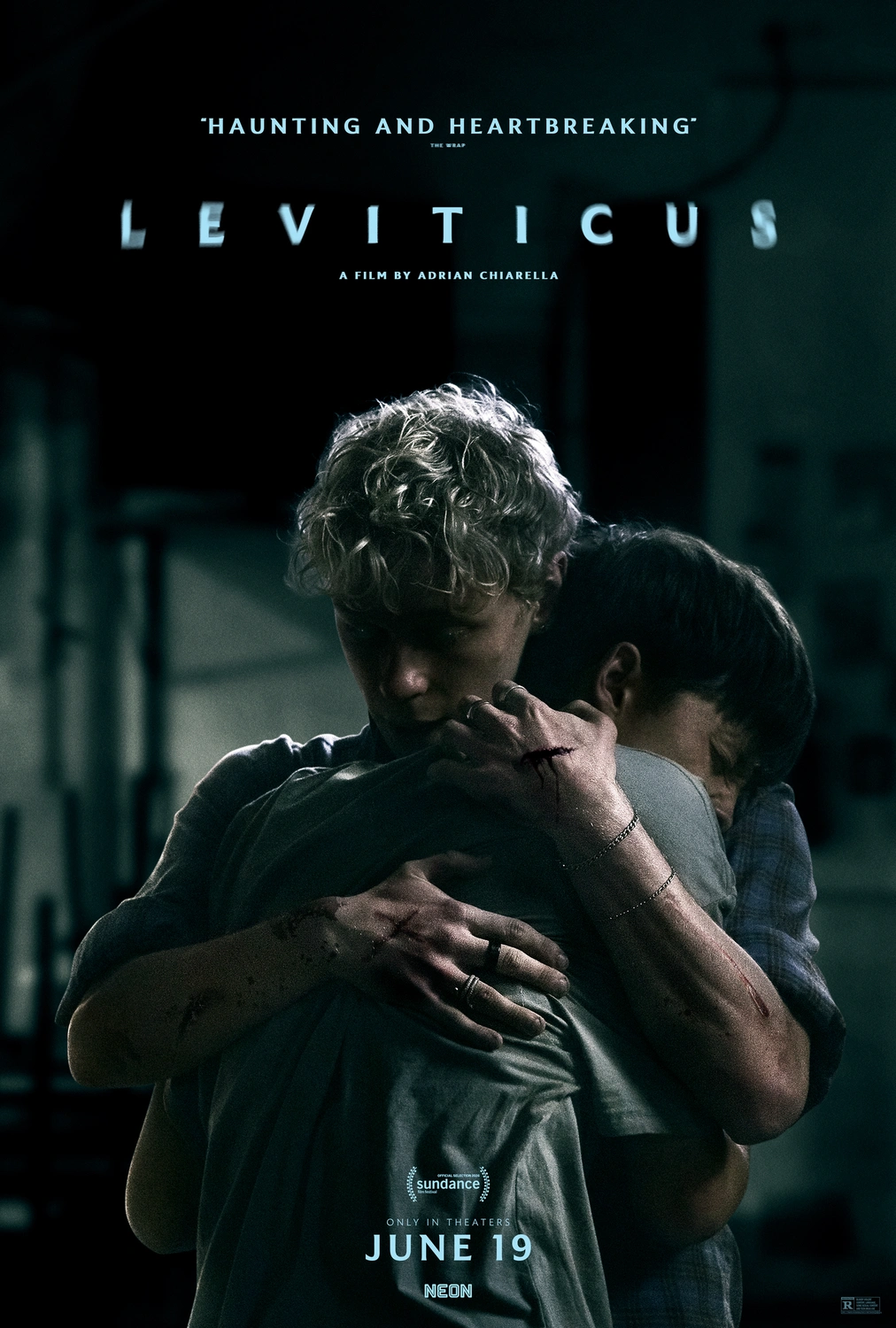
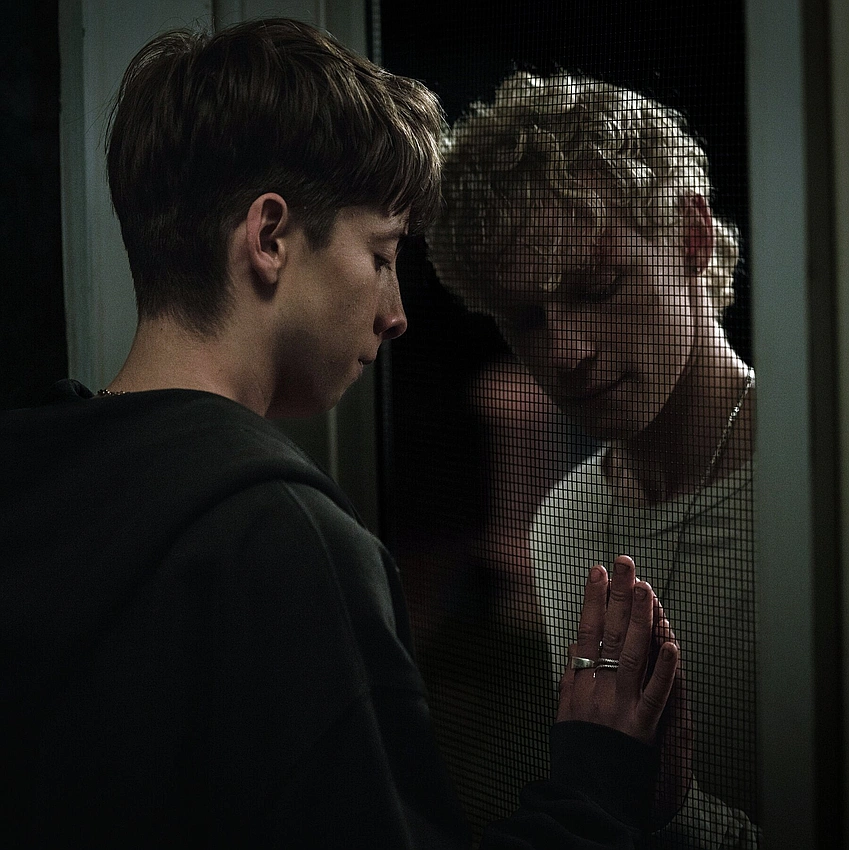
The premise is elegantly simple. Two teenage boys, Naim and Ryan, find themselves pursued by a violent entity capable of taking the form of the person they desire most, which, in their case, is each other. Instead of separating romance from horror, Chiarella allows the two genres to collapse into one another.
This is where Leviticus distinguishes itself from many recent psychological horror films. Desire is never presented as liberating in isolation. Instead, every moment of intimacy becomes shadowed by surveillance, punishment and fear. The supernatural functions less as mythology than as an externalisation of internal conflict.
Literary critics have long described Gothic fiction as a genre where suppressed anxieties return in monstrous forms. Leviticus follows this tradition closely. The entity haunting the protagonists is not merely an antagonist but the physical manifestation of repression itself. What cannot be acknowledged emotionally becomes impossible to escape physically.
Bodies That Cannot Feel Safe
One of the film's most striking achievements is the way it treats the body as contested territory. Horror cinema has always been fascinated with bodily vulnerability, but here the body is caught between longing and self preservation.

The characters are never simply running away from danger. They are negotiating what it means to inhabit a body whose desires have been constructed as sinful or dangerous. Every glance, every touch and every moment of affection carries an unbearable weight because the narrative repeatedly insists that desire has consequences beyond the emotional.
Phenomenology offers an interesting way to think about these moments. Maurice Merleau-Ponty argues that we encounter the world through our embodied experience rather than detached observation. In Leviticus, embodiment itself becomes unstable. The characters experience love through bodies that have learned to anticipate punishment, making perception inseparable from fear. The monster therefore does not interrupt ordinary life. It reshapes the characters' experience of reality altogether.
Religion Without Simplification
Given its biblical title, it would be easy for the film to reduce religion into a simplistic villain. Thankfully, Leviticus avoids such an approach.
Instead, the film examines how institutional interpretations of faith can become mechanisms of shame and control. The horror emerges less from religion itself than from rigid structures that transform identity into something requiring correction. Reviews have consistently noted the film's engagement with themes surrounding homophobia and conversion practices, though it approaches these issues through allegory rather than direct realism.

This ambiguity gives the film considerable emotional depth. The supernatural never replaces the social reality underpinning the story. Instead, it intensifies it.
A New Direction for Queer Horror
Queer horror has developed rapidly over the last decade. Rather than treating queer identity as metaphor, many contemporary films allow horror to articulate experiences that realism cannot adequately express.
Leviticus belongs firmly within this movement. It joins films that understand horror not simply as entertainment but as a way of visualising structures of fear, shame and exclusion. The supernatural becomes a cinematic language capable of representing emotional realities that remain difficult to articulate through conventional drama.
What makes the film particularly compelling is its refusal to abandon tenderness. Even during its most frightening sequences, the emotional relationship between Naim and Ryan remains central. The romance is not decorative. It is the narrative's emotional foundation.
Joe Bird and Stacy Clausen's performances give this relationship remarkable vulnerability, grounding the film even when its supernatural elements become increasingly unsettling. Their chemistry ensures that the emotional stakes remain convincing alongside the horror.

Perhaps the greatest achievement of Leviticus is that it understands horror as an ethical genre rather than simply a visceral one. The film asks what happens when society teaches individuals to fear their own capacity for love, then imagines that fear becoming horrifyingly tangible.
In doing so, Adrian Chiarella has created a film that is unsettling without being exploitative and political without sacrificing emotional intimacy. It demonstrates how contemporary horror continues to evolve beyond haunted houses and supernatural curses into something far more psychologically and culturally resonant.
Leviticus ultimately suggests that monsters are rarely born from darkness alone. Sometimes they are created by the stories societies tell about desire, belonging and who is permitted to love without fear.
#Leviticus #QueerCinema #HorrorMovies #SundanceFilmFestival #ComingOfAge
