India’s Chandrayaan-2 Finds Signs of Water-Ice Beneath Moon’s South Pole

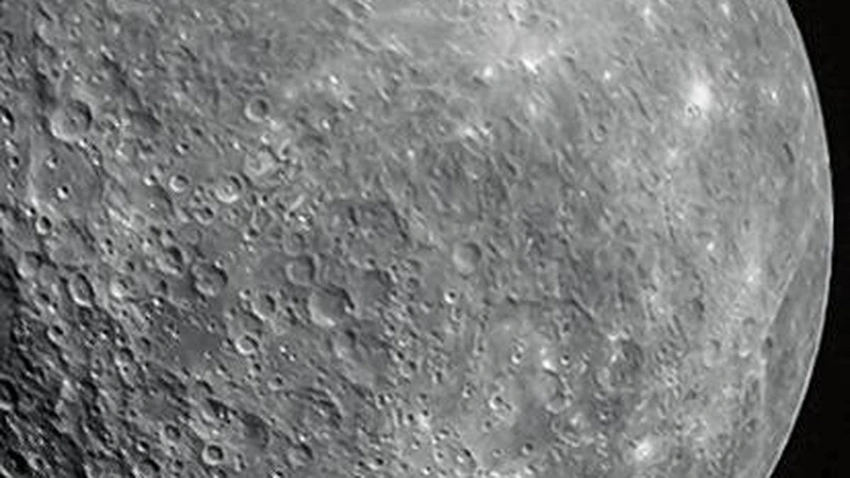
India’s Chandrayaan-2 Finds Signs of Water-Ice Beneath Moon’s South Pole
Exciting news from ISRO! Chandrayaan-2 data reveals signs of water-ice hidden beneath the Moon's South Pole. Is a lunar base next? Learn about this breakthrough discovery here!
India's Chandrayaan-2 mission has just delivered a discovery that is sending ripples through the global scientific community. While the mission's lander faced challenges years ago, the orbiter is still hard at work, and it has found compelling evidence of water-ice tucked away beneath the surface of the Moon's South Pole. This isn't just a minor detail; it’s a finding that could change the future of how we explore space.
The discovery focused on some of the most mysterious places on the lunar surface: craters within permanently shadowed regions. These areas are so cold—dropping to a staggering minus 248 degrees Celsius—that they haven't seen sunlight in billions of years. In these 'doubly shadowed' craters, the temperatures are so low that water-ice can stay preserved without ever turning into gas. It’s essentially a deep-freeze locker for the solar system's history.
The heavy lifting for this discovery was done by a specialized instrument called the Dual Frequency Synthetic Aperture Radar, or DFSAR. This radar is a piece of high-tech machinery that can peek beneath the lunar soil using microwave imaging. It’s the first of its kind to be used on a lunar mission, and it allowed researchers to distinguish between actual ice and just rough, rocky ground. The study was led by a dedicated team of scientists at the Physical Research Laboratory in Ahmedabad.
So, why does this matter to us? Finding accessible water on the Moon is the holy grail for future space travel. If we can tap into this ice, it could provide drinking water, oxygen, and even rocket fuel for astronauts. This discovery adds serious weight to the idea that the Moon could one day serve as a pit stop or even a home for humans exploring the deeper reaches of our solar system. India’s mission may have started years ago, but it is still proving to be a gift that keeps on giving.
['#Chandrayaan2', '#ISRO', '#MoonWater', '#LunarExploration']
