Arts engagement may slow ageing, new study finds

Arts engagement may slow ageing, new study finds
New research links arts and cultural participation to slower biological ageing, suggesting activities like visiting galleries or reading may boost health as much as exercise.
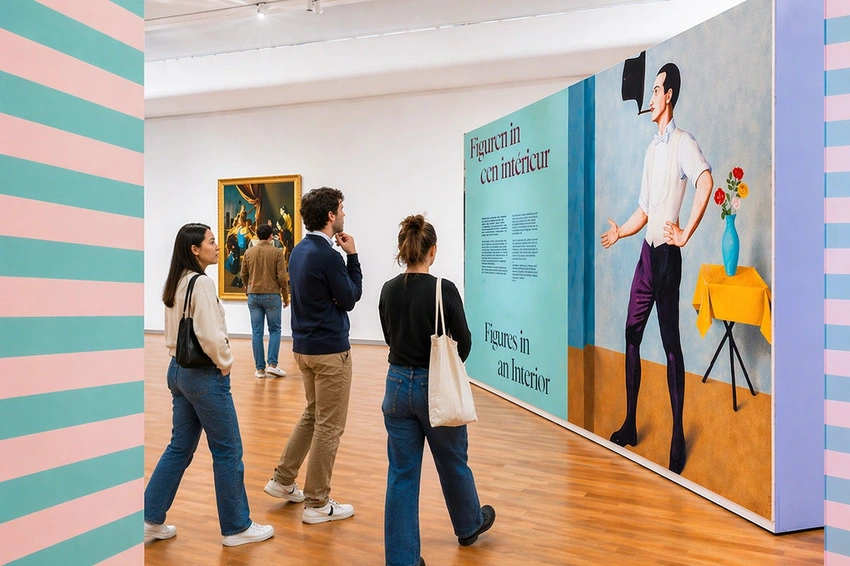
A new study from a leading UK university examines how arts and cultural engagement could influence the pace of biological ageing. The researchers suggest that regularly reading, visiting art galleries or museums, singing, and painting might have health benefits that mirror, or complement, physical activity. In practical terms, this means that everyday cultural activities could be an important part of healthy ageing and not just leisure.
The findings add to a growing body of evidence that engaging with the arts isn’t merely enjoyable—it may also support health outcomes. Experts say these activities can reduce stress, foster social connections, and provide cognitive stimulation, all of which may contribute to a slower ageing process.
If borne out by further research, the results could influence how public health officials frame recommendations, recognizing arts engagement as a health-promoting behaviour in a similar way to exercise. Community programs, libraries, galleries, and schools might receive increased support as part of holistic approaches to wellbeing.
For individuals, the message is clear: picking up a paintbrush, grabbing a book, or planning a gallery visit could be part of a broader strategy to maintain health as we get older. The study aligns with broader pushes to integrate culture and everyday life into health promotion, suggesting that keeping the mind active and connected may have tangible benefits for ageing.
Further work will be needed to clarify the mechanisms behind these associations and to determine which types of arts engagement yield the strongest effects. In the meantime, a culture-rich daily routine could be a simple, enjoyable addition to a healthy ageing plan.
