Israel bulldozes UNRWA HQ in East Jerusalem, amid aid crackdown

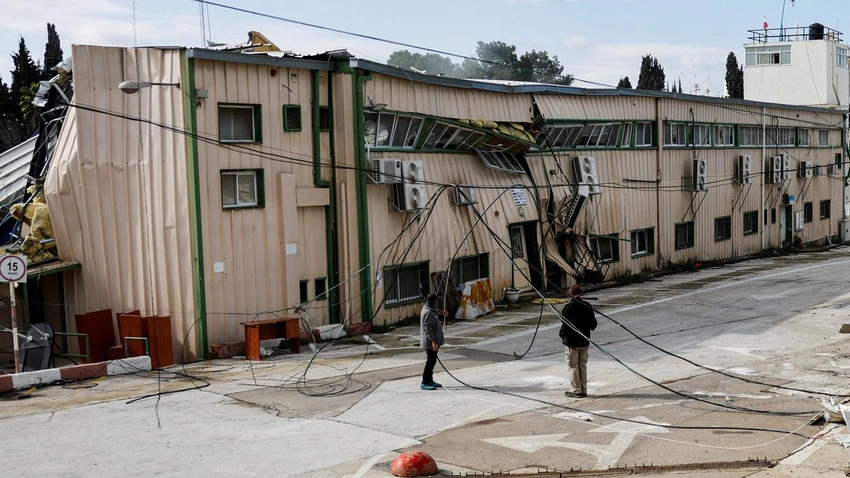
Israel bulldozes UNRWA HQ in East Jerusalem, amid aid crackdown
Israeli forces raze UNRWA headquarters in East Jerusalem under a new ban, raising fears over refugee aid and humanitarian access.
Israel’s latest move in East Jerusalem has intensified the conflict between Jerusalem and Palestinian communities. Demolition crews moved in to raze portions of the main UNRWA compound in the Sheikh Jarrah area, a development that follows the enforcement of a new law banning the United Nations agency from operating in the city. The government says the demolition complies with this law, accusing UNRWA of ties to militant groups and Hamas. A senior official described the day to supporters as a “historic day,” while foreign ministry officials reiterated that the action is part of a broader crackdown on the agency and its activities. The scene at the UNRWA site was part of a broader pattern of tension, with Israeli forces also reported to have fired tear gas at a separate location nearby during the day.
Earlier on Tuesday, Palestinian authorities reported that Israeli forces fired tear gas at a vocational school in Qalandia, on the outskirts of Jerusalem. The school trains more than 300 young refugees in technology and welding, and the disruption immediately raised concerns about the future of education and job training for vulnerable youths amid the ongoing conflict.
UNRWA later said that Israeli forces confiscated staff devices and forced employees out of the Sheikh Jarrah headquarters, describing the action as an unprecedented attack against the agency and a serious violation of international law and UN privileges and immunities. In parallel, Israel signaled plans to halt the operations of several humanitarian organizations operating in Gaza beginning in 2026, a move that could further complicate aid delivery to Palestinian civilians.
Analysts and humanitarian groups warned that the demolition threatens essential services and outreach to Palestinian refugees who rely on UNRWA for education, healthcare, and basic support. The development is likely to draw swift international scrutiny and could complicate negotiations and aid efforts in the region, raising questions about the future of UN protection and the ability of aid workers to reach those in need.
