Elon Musk's Davos Predictions Stir Debate on AI and Robots

Elon Musk's Davos Predictions Stir Debate on AI and Robots
At Davos, Musk outlines bold visions for humanoid robots, space, and AI, sparking debate over whether predictions will unfold as promised.
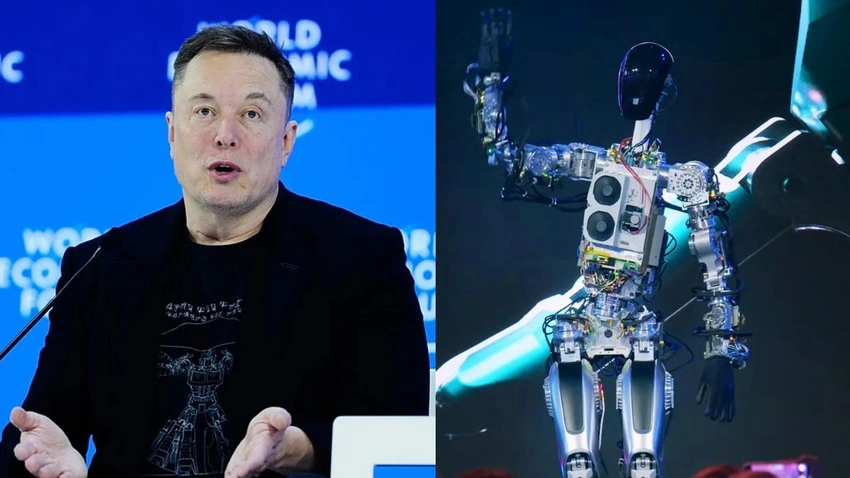
At this week's World Economic Forum in Davos, Elon Musk laid out a slate of bold predictions spanning humanoid robotics, space travel, and the science of aging. He argued that machines could soon match or surpass human capabilities in areas once thought exclusive to people, from dexterous manipulation to complex problem solving. The tech entrepreneur has long promised rapid progress in automation, and this year he doubled down on the pace of change, saying humanoid robots could become a common presence in workplaces and homes sooner than many expect.
But the Davos moment also reflected a familiar tension: predictions in tech circles often outpace reality. While advances in AI and robotics have accelerated, turning hype into durable, widely adopted systems takes time. Critics caution that aggressive timelines can obscure concerns about jobs, safety, and governance, underscoring the need for careful policy and ongoing oversight.
Musk connected AI's rapid evolution to the broader economy, suggesting that smarter AI could reshape tasks, productivity, and even leadership decisions. A recurring theme at Davos was the uneven distribution of AI benefits: some executives describe efficiency gains at the top, while workers fear displacement and new forms of surveillance or performance pressure. The discussion highlighted how automation can boost output for firms while amplifying anxiety among employees about job security and fair compensation.
Another thread tied AI to the workplace: while enhanced automation can save time for bosses and help managers, employees worry about being replaced or micromanaged by algorithms. The spectrum of views echoed elsewhere, where industry insiders say AI can deliver significant efficiency gains but also create divides in the labor market. Musk's comments about AI potentially becoming smarter than humans in five years have sparked headlines, yet many analysts emphasize that timelines are uncertain and depend on regulation, ethics, and safety.
As Davos continues, the debate centers on balancing rapid innovation with human-centered policy, and on ensuring that powerful technologies deliver broad, inclusive benefits rather than widening inequality.
