Taiwan Vows to Defend Sovereignty After Chinese Drills Around Island

Taiwan Vows to Defend Sovereignty After Chinese Drills Around Island
Taiwan's president pledges firm defense of sovereignty amid Beijing's live-fire drills, as US arms sales and regional tensions shape a fragile balance around the island.
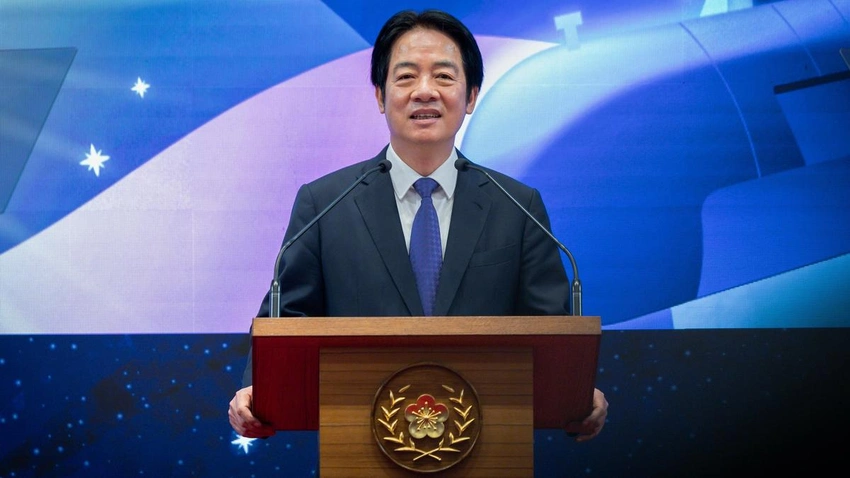
Taipei watched as Beijing wrapped up large-scale live-fire exercises around Taiwan, a display Taipei called highly provocative. In a New Year address, President Lai Ching-te vowed to defend the island's sovereignty and ensure the resilience of society, saying Taiwan must be ready to deter aggression and safeguard its democratic way of life. He outlined a roadmap to strengthen national defense and build a robust deterrence mechanism to counter expansionist pressures.
The drills featured rocket launches, aircraft sorties and naval movements encircling Taiwan, signaling a significant show of force that Taipei described as unnecessary and destabilizing. Beijing has long warned it could use force to reunify what it calls a breakaway province, a stance the international community continues to monitor closely.
Amid the tensions, Washington approved an arms package valued at more than $11 billion for Taiwan—the largest so far—comprising missiles, drones, artillery systems and advanced software. The United States, bound by law to assist Taiwan in defending itself, has faced Chinese objections as Taipei reinforces its defenses and capacity to deter.
Taiwan's own defense commitments were echoed last year in a $40 billion arms budget aimed at enhancing detection and interception capabilities, including an envisioned air defense network known as the Taiwan Dome. Such investments underscore Taipei's focus on resilience and deterrence in a rapidly changing security landscape.
Analysts say the crisis underscores the delicate balance in the Taiwan Strait and the risk of escalation, even as parties call for restraint. Taiwan says it will maintain vigilance, deepen defense capabilities, and seek international support to uphold democracy and regional stability.
