RBI MPC April: What the policy means for FD rates and home loans

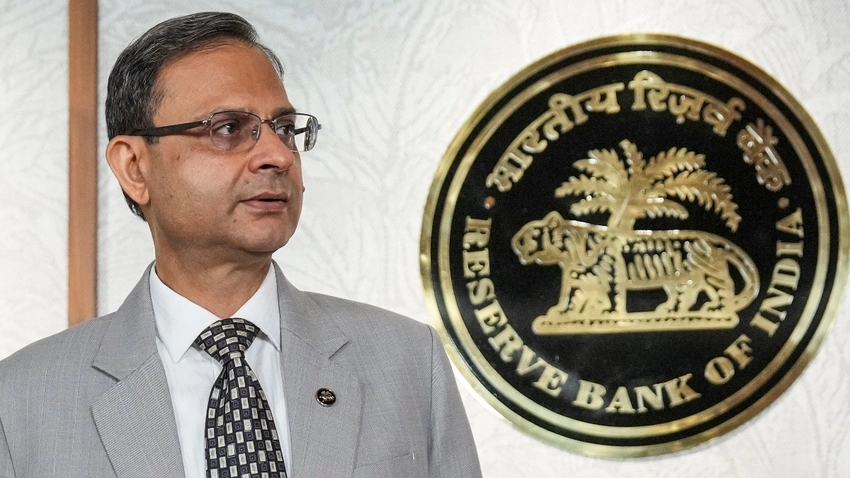
RBI MPC April: What the policy means for FD rates and home loans
RBI's April policy decision looms as oil prices rise and inflation risks mount—an analysis of how a pause could affect FD yields and your home loan EMIs.
All eyes are on the Reserve Bank of India's April MPC meeting as policymakers weigh keeping the repo rate steady against global risks that could push inflation higher. With crude prices above $100 per barrel and the rupee under pressure, the central bank faces a delicate moment: growth needs support, but price pressures stay stubborn.
Analysts broadly expect a pause for now, with the RBI signalling flexibility in its forward guidance to avoid adding volatility if inflation or growth trajectories shift. The policy stance is likely to emphasize a wait-and-watch approach, focusing on how incoming data shapes forecasts for FY27 while ensuring adequate liquidity management.
For borrowers, a rate pause means home loan EMIs on new or existing loans may not ease before Diwali, underscoring the importance of proactive debt management and planning for potential cost scenarios.
FD investors face an uncertain landscape: returns hinge on inflation trends and the RBI’s policy stance. A pause could keep deposit-rate upside limited, even as lenders reassess pricing in response to macro signals and evolving liquidity conditions.
Beyond rates, the policy debate will hinge on how higher energy costs feed into the CPI and what that implies for growth forecasts. Market watchers will be parsing RBI commentary for signals on the trajectory of the repo rate, inflation risks, and the central bank’s expectations for liquidity in the months ahead. As the policy readout lands, households and lenders will be closely watching for guidance on spending, saving, and debt management in the near to mid-term.
