Carney: World order in rupture at Davos, Trump furious

Carney: World order in rupture at Davos, Trump furious
Canada's Carney warns of a ruptured world order at Davos as Western leadership faces scrutiny, drawing a sharp reaction from Trump.
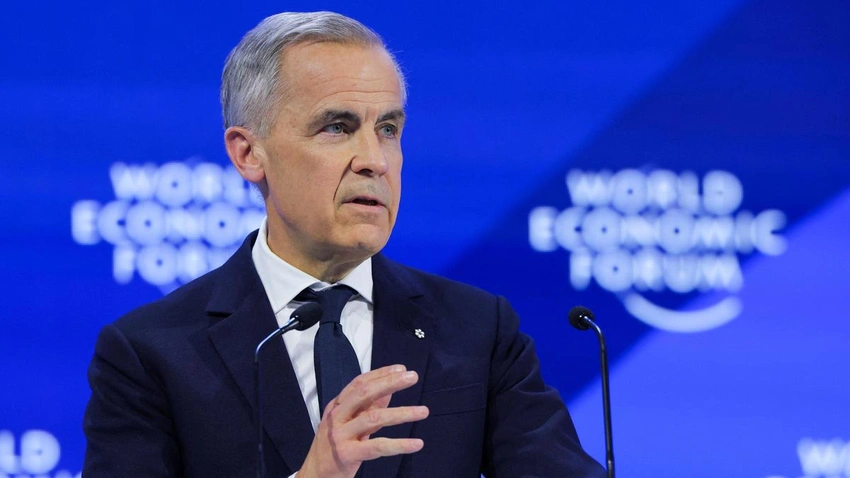
At the World Economic Forum in Davos, a clear warning rang out about a world order that feels increasingly fractured. Mark Carney painted a picture of a system where rhetoric often outpaces reality, and where traditional leadership faces rising questions about how to steer a global economy through shifting power dynamics. The speech placed Western institutions under scrutiny, arguing that the rules-based order has been stressed by a realignment of influence and a growing sense that public goods are sometimes distributed unevenly across nations.
Carney argued that Western nations, while promoting governance norms, have at times excused the persistence of unequal power structures, especially as U.S. leadership remains central to many arrangements. He suggested that calls for mutual benefit cannot eclipse the uncomfortable truth that integration has at times come with subordination for some partners. In his view, acknowledging these gaps is a prerequisite to rebuilding trust and ensuring that global governance reflects contemporary realities rather than historical convenience.
The speech also drew intense attention for what it implied about the dominance of American influence. While the Canadian leader avoided naming individuals, the remarks resonated as a critique of the status quo where U.S. hegemony has been treated as a given public good. The confrontation with this premise led to a swift and vehement response from opponents of such critique, including a pointed reaction from Donald Trump, who has repeatedly framed U.S. leadership as indispensable to global stability.
Observers say Davos delegates will dissect Carney’s arguments as they weigh the costs and benefits of the current order. The dialogue signals a broader push to rethink alliances, recalibrate expectations from Western partnerships, and explore pathways toward a more inclusive and representative framework for global governance. Carney’s message is less about eclipsing existing powers and more about accountability, balancing interests, and writing a new chapter for how the world manages cooperation in an era of rapid change.
Ultimately, the Davos moment underscored a central tension in contemporary geopolitics: the desire for a stable, rules-based system remains, even as actors question the balance of power and the fairness of the benefits it delivers.
