WHO issues first global guideline for GLP-1 obesity drugs and What it means

WHO issues first global guideline for GLP-1 obesity drugs and What it means
WHO issues first global guideline for GLP-1 obesity drugs and What it means
WHO issues first global guideline on GLP-1 therapies, calling obesity a chronic disease needing lifelong care.
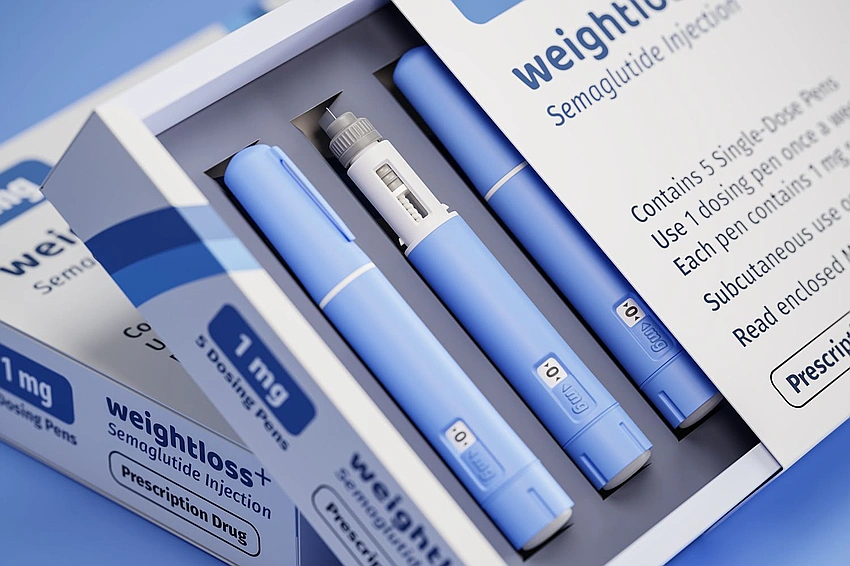
The World Health Organization has made history. On December 1, 2025, it released its first global guideline on GLP-1 therapies for obesity. These drugs, including semaglutide, liraglutide, and tirzepatide, are now conditionally recommended for adults with a BMI of 30 or higher.
GLP-1 therapies are not quick fixes. They mimic a gut hormone that slows digestion, reduces appetite, and signals fullness to the brain. Clinical trials show weight loss of 15–25% over a year. But WHO stresses they must be paired with diet, exercise, and professional counseling.
Obesity is no longer seen as a lifestyle issue. WHO calls it a chronic disease demanding lifelong treatment. Over one billion people worldwide live with obesity. That number could double by 2030. The health costs are staggering, with rising deaths from heart disease, diabetes, and cancer.
WHO Director-General Dr. Tedros Adhanom Ghebreyesus said these drugs are tools to treat obesity as the chronic condition it truly is. Governments now face the challenge of integrating these therapies into public health systems. Demand is already surging globally.
Access remains a concern. WHO warns that availability will be limited, especially in low-income countries. The therapies are expensive, and health systems must decide how to fund them. Still, the guideline marks a turning point in global health policy.
GLP-1 therapies are reshaping the fight against obesity. They offer hope, but only as part of a structured, lifelong plan. WHO’s message is clear: no shortcuts, only science-backed care.
#GLP1 #WHOguidelines #ObesityAwareness #WeightLoss #PublicHealth
