Hezbollah's FPV Drones Signal New Tactics Across Israel-Lebanon Border

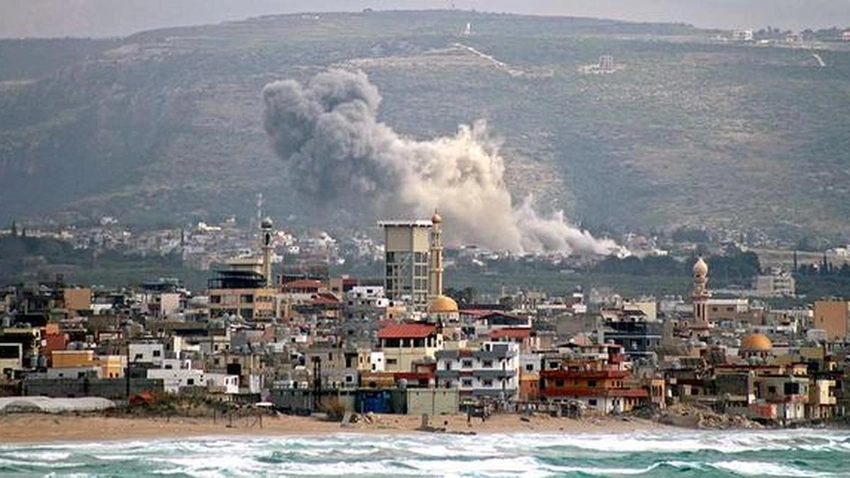
Hezbollah's FPV Drones Signal New Tactics Across Israel-Lebanon Border
Geolocated footage shows Hezbollah using small FPV drones—built from off-the-shelf parts and fibre-optic links—to strike across southern Lebanon and northern Israel.
Geolocated videos show Hezbollah expanding its drone program with small FPV drones used to strike across the Lebanon-Israel border. The drones are first‑person view and can be assembled from commercially available parts and 3D-printed components, making them cheap and easy to replace. In the videos, targets include Israeli soldiers, armoured vehicles and air‑defence positions in southern Lebanon and northern Israel. Experts say these tiny drones can evade many radar and air‑defence systems and that their small size makes detection difficult.
The use of fibre‑optic links to control some of these drones adds another layer of complexity for defenders. Analysts say the tactic marks a shift from Hezbollah's long‑standing use of larger attack drones, representing a new category of warfare that relies on affordability and speed rather than heavy payloads. The volume of videos geolocated since March 26 indicates the technique is being deployed across multiple missions, not as isolated incidents.
Israel's military says it is dedicating resources to better detection, alert models, and troop readiness to counter this threat. Some officials note that the IDF has already used FPV drones in southern Lebanon and in Gaza in recent years.
Israeli media have reported four IDF soldiers and one civilian killed in FPV strikes, with dozens more injured. The numbers, while not complete, highlight the real human cost of this evolving threat.
Security researchers caution that the democratization of drone tech means more groups could adopt similar methods, prompting policymakers and militaries to rethink border defense and rapid-response protocols. The broader takeaway is that in modern warfare, affordable, easily assembled drones can outperform expensive defenses in some scenarios, forcing a shift toward layered detection and rapid decision making.
