Why Do Women Dominate Fashion Schools but Not Fashion Houses?

Why Do Women Dominate Fashion Schools but Not Fashion Houses?
Despite women making up the majority of fashion design students, the industry's top creative positions remain overwhelmingly male-dominated. Why does this gender gap persist in an industry largely shaped by women?
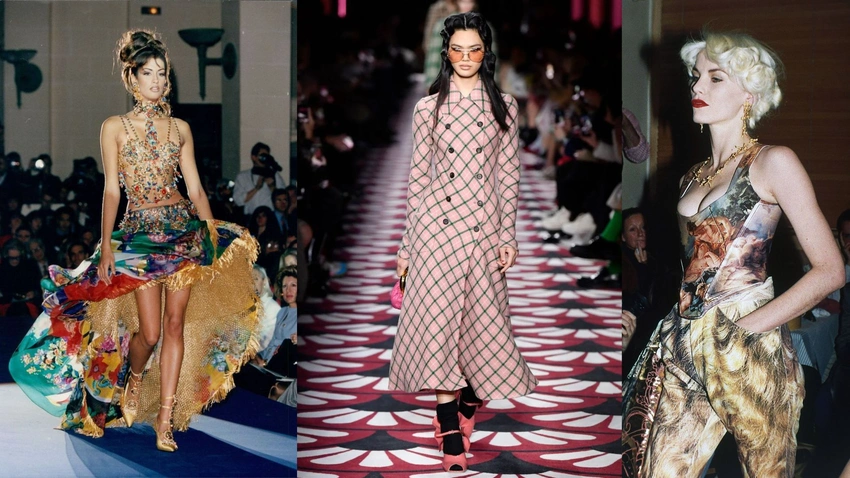
L: Versace S/S '92 ; M: Miu Miu RTW Fall 2020 ; R: Vivienne Westwood's Boucher Print from A/W '90
The Fashion Paradox: Women at the Heart, But Not at the Helm
Walk into any fashion school, and it's a sea of women sketching, sewing, and shaping the future of style. Walk into a fashion house’s leadership meeting, and suddenly, the room is mostly men. If women make up the majority of fashion students, why do so few become creative directors?
The Numbers Speak: Women Lead in Fashion Education
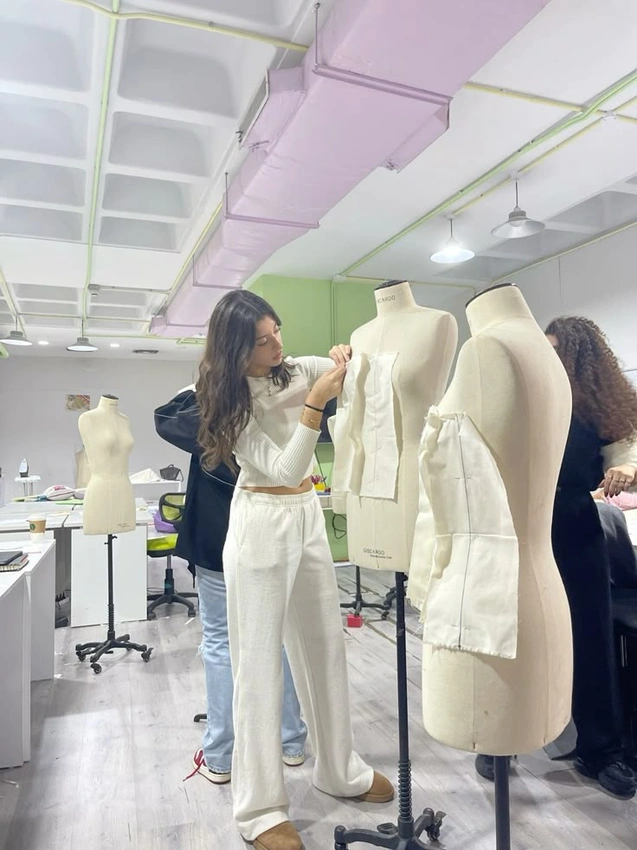
Statistics paint a clear picture:
- At Parsons School of Design, over 85% of fashion students are female.
- Similar numbers are reported at Central Saint Martins, FIT, and Istituto Marangoni—all prestigious global fashion institutions.
- In India, NIFT and Pearl Academy consistently have 70-80% female enrollment.
Clearly, young women are not just interested in fashion, they are investing their education, time, and careers into it. But here’s where the disconnect begins.
The Leadership Gap: Where Do the Women Go?
Despite their dominance in education, women are vastly underrepresented in the industry's top creative roles. In 2023, out of 35 leading fashion brands, only 10 had female creative directors.
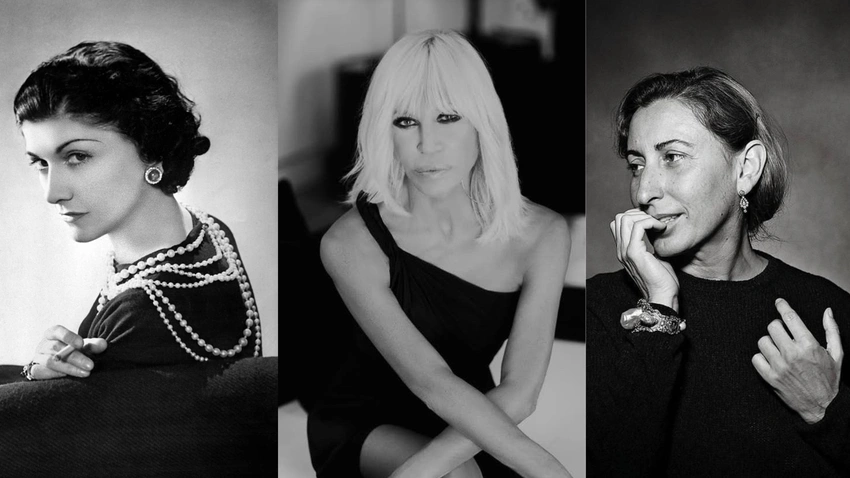
L: Coco Chanel ; M: Donetella Versace ; R: Miuccia Prada
Look at some of the most powerful fashion houses:
- Louis Vuitton → Pharrell Williams (Male)
- Gucci → Sabato De Sarno (Male)
- Balenciaga → Demna (Male)
- Burberry → Daniel Lee (Male)
- Versace → Donatella Versace (One of the few exceptions)
Even brands founded by women, like Chanel and Prada, eventually had male successors take the creative reins.
Why Aren’t More Women Leading?
1. The "Creative Genius" Myth Favors Men
The fashion industry has long idolized the idea of the "star designer", a lone genius who revolutionizes style. Think Karl Lagerfeld, Tom Ford, Hedi Slimane, and Alexander McQueen.
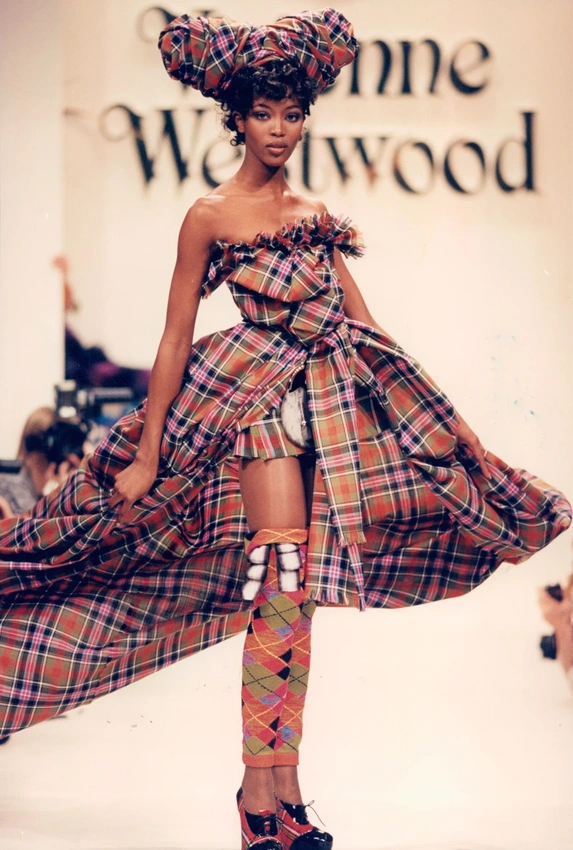
Vivienne Westwood A/W '93
Women, however, are often seen as part of a team rather than the singular visionary. They’re valued for their craftsmanship but rarely placed in the spotlight as leaders.
Former Givenchy creative director Clare Waight Keller pointed out this bias, stating:
"It's still fairly male-dominated in management and across the business side of fashion."— Business of Fashion Podcast
2. A Risk-Averse Industry Prefers the “Safe” Choice
Luxury fashion houses, despite their image of bold creativity, are often deeply conservative when it comes to leadership. Hiring a female creative director, especially one without a decade-long tenure at a major house is seen as a risky move.
Instead, brands prefer to go with “safe” choices, which often means male designers with some industry recognition.
3. The Glass Runway: Men Get Fast-Tracked
Fashion’s version of the “glass ceiling” is often called the glass runway—a system where men, despite being fewer in number, are often fast-tracked to leadership roles.
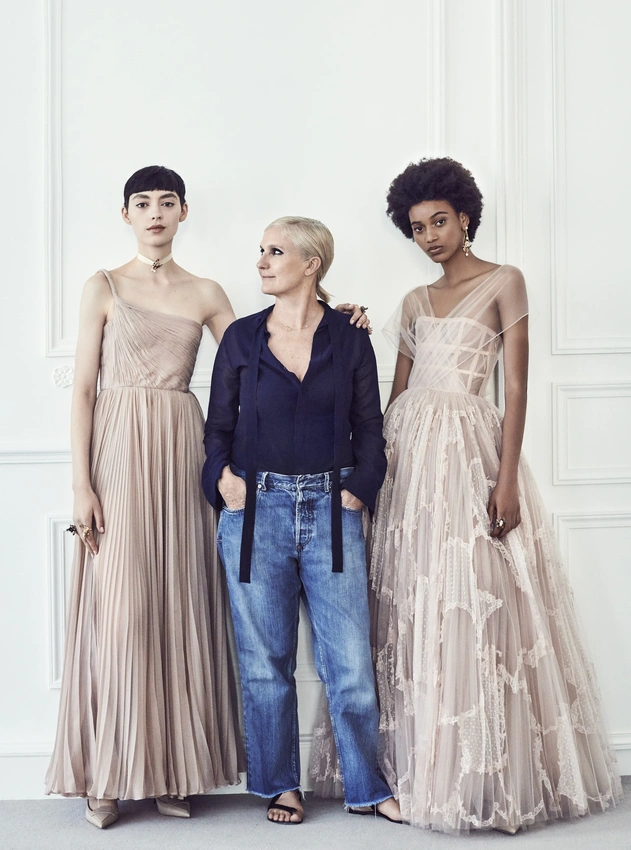
Maria Grazia Chiuri, the First Female Creative Director at Dior
Consider these career trajectories:
- Jonathan Anderson launched JW Anderson at 24 and was creative director of Loewe by 29.
- Olivier Rousteing was appointed as Balmain’s creative director at just 25.
- Meanwhile, Maria Grazia Chiuri worked for almost 30 years before becoming Dior’s first female creative director in 2016.
4. Motherhood Bias & Work-Life Balance
Fashion is a relentless industry, one where taking even a single season off can set a designer back by years. This disproportionately affects women, who often face greater societal pressure to balance career and family.
As Clare Waight Keller shared:
"I had to make my family work around my career because even a season out in fashion can put you back a year, and people look at you differently. --- Business of Fashion Podcast
Meanwhile, men in fashion are rarely questioned about how they will balance leadership and personal life.
5. Women Are Pushed Toward “Soft” Roles
Women in fashion are often encouraged to focus on:
- Womenswear (but not full brand creative direction)
- Accessories (profitable but not as prestigious as RTW or menswear)
- Sustainability and ethical fashion (important, but rarely leading to CEO or creative director roles)
While these areas are crucial, they don’t carry the same power as full creative control of a luxury fashion house.
Breaking the Cycle: What Needs to Change?
The industry is slow to evolve, but change is happening. More women are claiming leadership roles, and there is a growing push for gender equity in fashion’s highest positions.
1. Supporting Female Talent Early
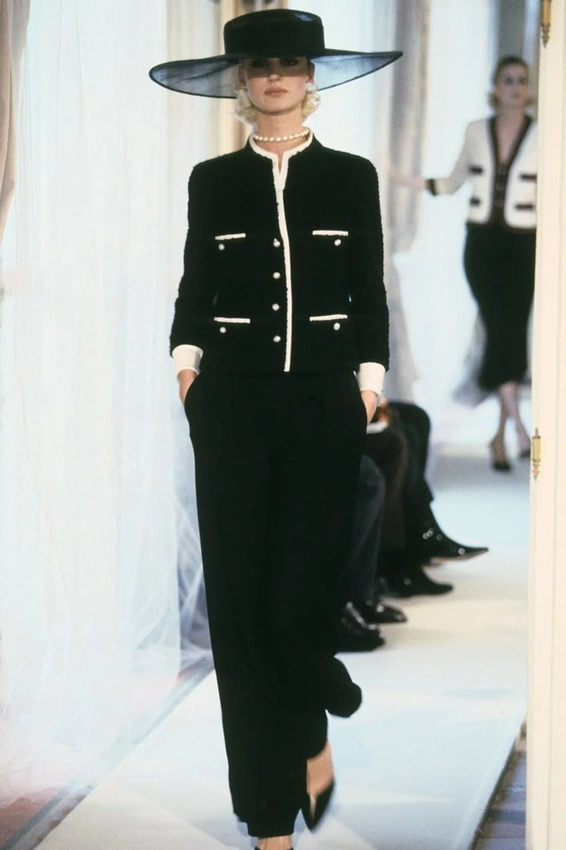
Coco Chanel Spring '97
- Brands should invest in mentorship programs for young female designers.
- Fashion schools must train women not just in design, but also in leadership and brand-building.
2. Redefining the Creative Director Role
- Moving away from the “lone genius” model to team-based leadership could level the playing field.
- Brands like Prada (co-led by Miuccia Prada and Raf Simons) are setting an example of shared creative leadership.
3. Championing Women-Owned Fashion Houses
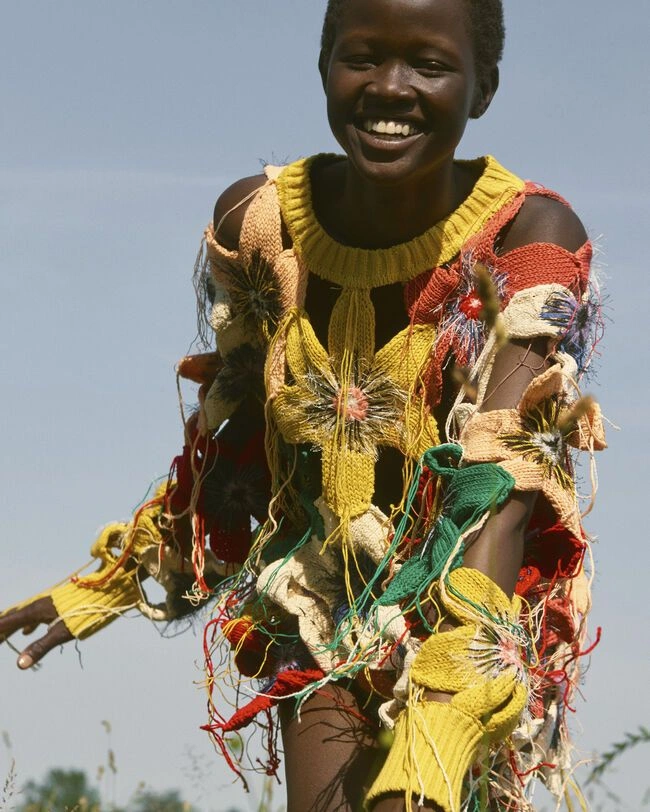
Stella McCartney’s Spring '23
- More women are launching their own brands rather than waiting for a seat at the table.
- Designers like Stella McCartney, Simone Rocha, and Marine Serre are proving that independent female-led brands can be just as powerful as legacy houses.
4. Holding Brands Accountable
- Consumers now expect diversity at all levels, not just in marketing campaigns.
- Major publications and industry reports must continue tracking gender representation at the top.
Time to Cut the Old Pattern
Fashion thrives on reinvention, so why is its leadership stuck in the past? Women drive the industry as consumers, designers, and innovators, yet they are still expected to prove themselves twice over for half the recognition. The romanticized image of the "tortured male genius" still lingers, while ambitious women are met with questions about balance, likability, and sacrifice.
But here’s the thing—change isn’t waiting for an invitation. More women are stepping into leadership roles, redefining what power looks like in fashion. The industry has a choice: embrace the shift or risk becoming a relic of its own outdated traditions.
Because the future of fashion isn’t just about what’s next on the runway, it’s about who gets to decide.
Read More:
How Loewe is Winning Over Gen Z and Redefining Luxury
Glitch in the Couture: How AI is Rewriting Fashion’s Future
Gaurav Gupta’s Spring 2025 Couture - A Love Letter to Survival
