Predicting India’s Next Three Generations Based on the Past Six


Predicting India’s Next Three Generations Based on the Past Six
Prediction of the future Indian generations with detailed generational tables and socio-tech trends shaping the next 50 years.
India stands at a unique demographic and cultural crossroads. With a youthful population today and rapid socio-economic evolution behind us, the rhythms of generational change here do not merely echo Western models but reveal a distinct cyclic tempo.
Understanding generational characteristics means looking beyond arbitrary labels like Boomers or Millennials and mapping cohorts against the historical, technological, political, and cultural forces that shaped them. This is especially true in India where independence, liberalization, digital revolutions, and demographic dividends have each left profound generational imprints.
We analysed and created a comprehensive generational table of the six major cohorts that India has witnessed since independence followed by confident predictions of the next three. These predictions draw upon cyclical patterns in societal evolution and the emerging contours of technology, politics, culture, and demography in the next fifty years.
Understanding Generational Cycles In India
Sociologists define a generation as a social cohort shaped by shared experiences during formative years. While Western frameworks (Boomers, Gen X, Millennials, Gen Z, etc.) originated in and for Western contexts, India’s unique social and historical trajectory reframes these labels.
In India, the past several generations were shaped by Independence and nation-building, planned economy and scarcity, economic liberalization and globalization, Telecom boom and digital revolution, Smartphones, social media, and AI integration
Across these phases, generational shifts reveal not just tech adoption curves but evolving aspirations, cultural norms, and social behaviours.
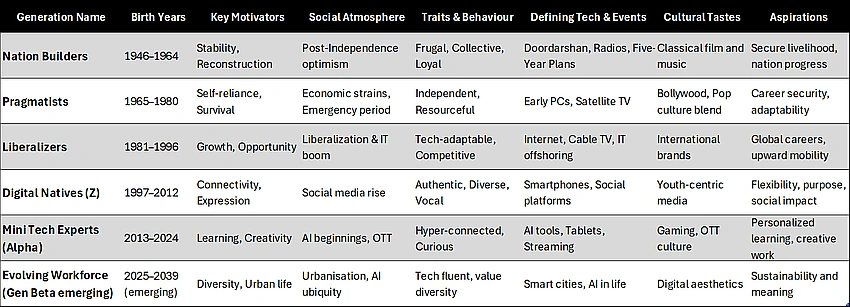
India's Past Six Generations: What Shaped Them
1) Nation Builders (1946–1964)
Born around the time of independence, this cohort experienced the visceral reality of scarcity, rationing, and institution building. Their formative years were defined by community resilience, Nehruvian ideals, and early mass media like radio and state TV. A strong preference for secure employment, social stability, and traditional aesthetics reflected the imperative of reconstruction.
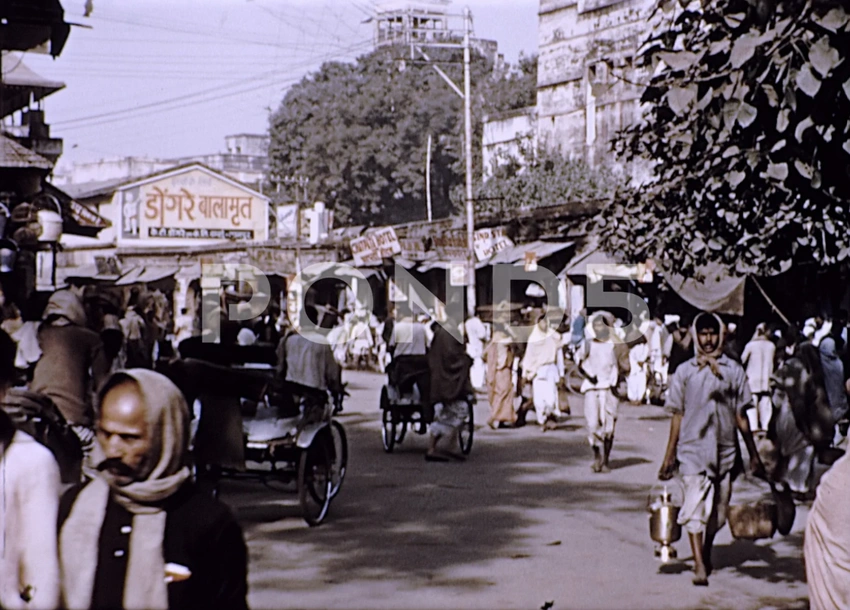
Music & Arts: Patriotic anthems, classical cinema. Aspirations: Family security, national progress.
2) The Indian Pragmatist (1965–1980)
The Indian Pragmatists, born between 1965 and 1980, grew up during economic constraint, political uncertainty, and limited consumer choice. Shaped by the Emergency period, state-controlled markets, and scarce opportunities, they developed resilience, discipline, and a strong problem-solving mindset. In a turbulent socio-political climate marked by economic constraints and political upheaval, their instincts became pragmatic.
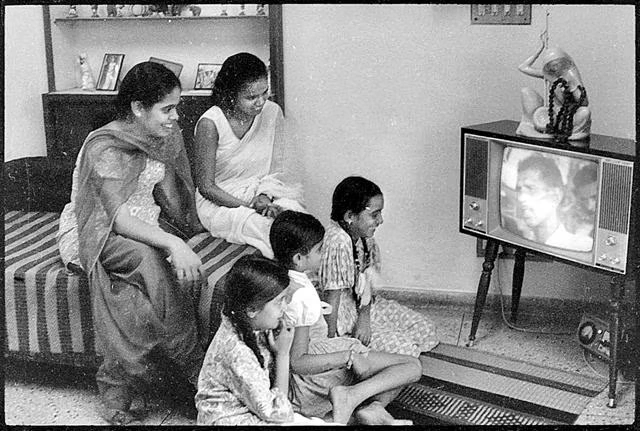
This generation values stability, education, and self-reliance, often prioritizing secure careers over risk. They witnessed India’s slow transition from scarcity to aspiration, adapting from analog to early digital life.
Culturally, they balanced tradition with cautious modernity. As parents and leaders, Pragmatists emphasize hard work, responsibility, and long-term security over instant gratification. Educated amidst the early stirrings of liberalization and exposed to Doordarshan’s colour broadcasts and cassette culture, they embraced both tradition and incremental change.
The Indian Pragmatist's Traits: Independent, adaptable, risk aware. Aspiration: Cinema, pop music from west
3) The Liberalizers (1981–1996)
The Indian Liberalizers, born between 1981 and 1996, came of age during economic liberalization and rapid globalization. Witnessing the 1991 reforms, they transitioned from scarcity to abundance, shaping a mindset oriented toward growth, ambition, and global exposure.
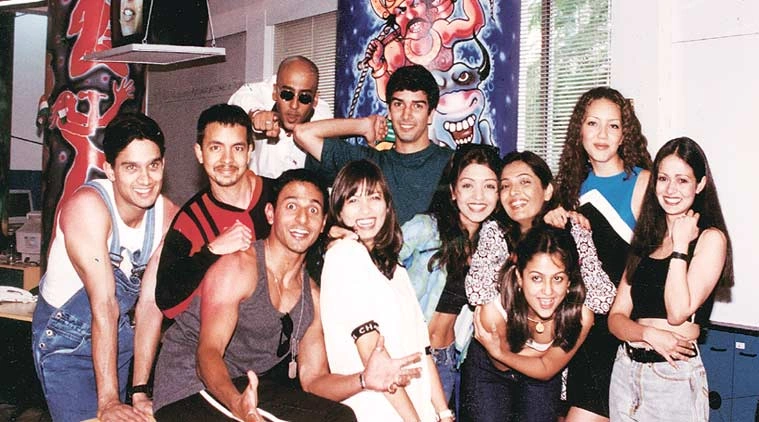
This generation embraced private enterprise, competitive careers, and international aspirations, especially in IT, finance, and services. They adapted quickly to early internet, mobile phones, and cable television, blending global culture with Indian values.
Pragmatic yet aspirational, Liberalizers value meritocracy, upward mobility, and financial independence, laying the foundation for India’s modern consumer and startup economy.

They valued growth opportunities and were the architects of India’s outsourcing and startup successes.
4) Gen Z (Digital Natives)
Gen Z were the first to never know a world without high-speed data, smartphones, and social platforms. Their identity formation is deeply tied to instant connectivity, social activism, and multimedia content creation. They place a premium on authenticity, diversity, and purpose.

Behaviour: Variety of identities, mental health awareness focus. Aesthetic: Meme culture, OTT content.
5) Gen Alpha
Generation Alpha refers to children born roughly between 2013 and 2024, the first cohort to grow up fully immersed in artificial intelligence, smartphones, and on-demand digital ecosystems. These children are interacting with intelligent tutors, immersive media, and early robotic assistance as norms. Their socialisation is visual, interactive, and often self-directed.

Future Potential: Deep fluency with AI and design thinking. Culture: Gaming, streaming platforms dominating leisure.
Their upbringing emphasizes visual literacy, rapid feedback, and experiential education rather than rote systems. Strong parental involvement, structured environments, and AI-assisted learning tools will define their cognitive development, values, and future work expectations
6) Generation Beta (Emerging in 2025–2039)
Generation Beta, born approximately between 2025 and 2039, will be the first Indian cohort to grow up in a world where artificial intelligence is ambient rather than assistive. For them, AI will function as infrastructure much like electricity or the internet did for earlier generations. Daily life will be shaped by smart cities, predictive governance, personalized health monitoring, and adaptive education systems that respond in real time to individual learning styles.
They will be raised by Gen Z and younger Millennials, parents who value emotional intelligence, flexibility, and global exposure. As a result, Beta children are likely to grow up with higher self-awareness, stronger mental health vocabulary, and fewer rigid social hierarchies than previous cohorts. Language fluency will expand beyond English and regional languages into machine interfaces and symbolic visual systems.

Economically, Generation Beta will not see employment as a linear career but as a portfolio of skills, projects, and identities. Automation will normalize frequent reskilling, while creativity, systems thinking, and ethical judgment will become prized human capabilities. Socially, they will be more tolerant, pluralistic, and urban-centric, yet deeply concerned about climate stability and resource equity.
Culturally, Generation Beta’s tastes will favor immersive and participatory experiences over passive consumption. Entertainment, education, and work will increasingly merge through mixed reality environments. Their defining aspiration will not be accumulation, but meaningful impact within a technologically saturated and environmentally constrained world.
Why The Generational Cycle Matters
Every generation cycles through phases of optimism, adaptation, questioning, and transformation. As societies evolve, cohorts shaped by intense technological acceleration can invert values rapidly: from stability and hierarchy to fluid identity and purpose.
India’s demographic profile adds another layer: its current median age remains young and its workforce cohort large. But significant aging is emerging as part of future demographics, reshaping dependency ratios and social priorities.
Predicting The Next Three Future Generations (2040–2075)
Looking ahead, three future generations will be shaped by AI ubiquity, sustainability challenges, augmented reality ecosystems, space collaboration, and evolving geo-political orders. These predictions rest on observable patterns in innovation cycles and historical inflection points.
7) Generation Gamma (2040–2055)
This generation will come of age in a world where AI is not just a tool but a collaborator. Their moral and cultural frameworks will reflect integration with machine intelligence and solutions-oriented governance.
Core Motives: Creative synthesis and human-AI collaboration,
Social Atmosphere: Post-automation society, climate urgency, global literacy
Behavioural Traits: High AI integration in cognition and daily life, Emphasis on synthesis of human and machine creativity, Collective approaches to climate resilience and resource equity
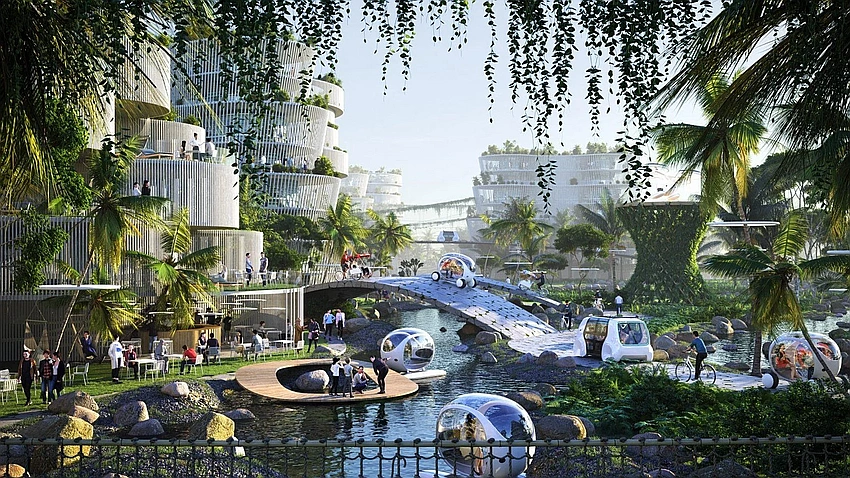
Tech & Events: Augmented reality personal economies, AI as co-creator in art, design, policy modelling, Breakthroughs in clean energy and adaptive cities
Culture & Aesthetics: Fluid aesthetics merging digital and analog, Holo-performances, adaptive architecture, Global music collaborations across cultures
Aspirations: Redefining productivity beyond GDP, Sustainable lifestyles with AI augmentation
8) Generation Delta (2056–2070)
Generation Delta will be defined by how well societies balance human thriving with ecological imperatives. Their worldview will be shaped by immersive education and planetary scale collaboration.
Core Motives: Planetary stewardship and equity
Social Atmosphere: Resource rebalancing, decentralized governance
Traits: Planetary citizenship identity, Strong ethical focus on equity and ecosystems, High adaptability with decentralized economic structures

Tech & Events: Mainstream use of quantum computing, Personalized bio-interfaces, Climate engineering governance models
Culture & Aesthetics: Eco-digital hybrid arts, Participatory public design spaces
Aspirations: Harmonizing human development with planetary thresholds, Equity-oriented leadership
9) Generation Epsilon (2071–2085)
Generation Epsilon will be the first in history to conceptualize human identity beyond a single planet. Their creativity and ethics will shape interplanetary society.
Core Motives: Interplanetary expansion and human identity evolution
Social Atmosphere: Earth plus orbital habitats, new frontiers of community
Traits: Identity fluidity beyond Earthbound norms, Cross-cultural planetary affiliation, Meta-strategic thinking about resource ecosystems
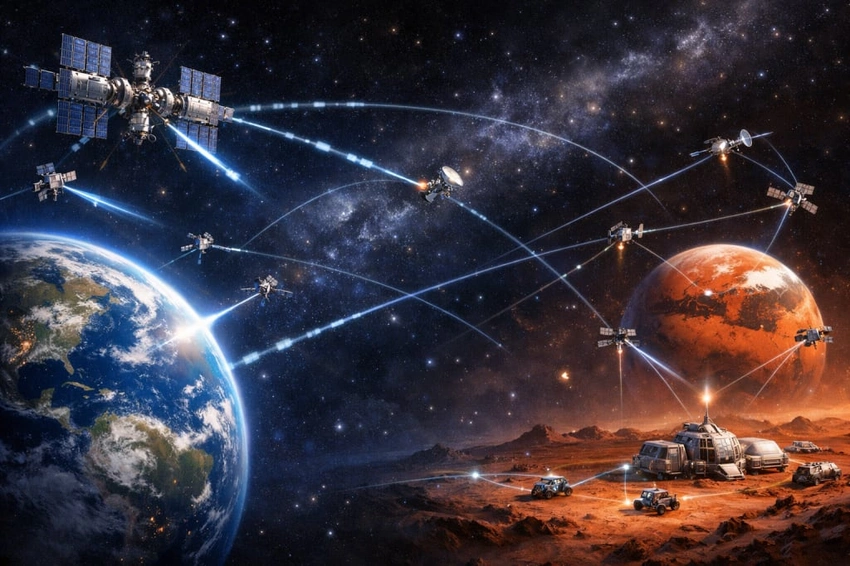
Tech & Events: Off-Earth settlements, Bio-neural enhancements normalized, Cross-planetary governance frameworks
Culture & Aesthetics: Universal human heritage art forms, Fusion music blending Earth origins with new frontier expressions
Aspirations: Redefining consciousness and community, Ethical interplanetary exploration,
What This Means for India
Next generations will inherit more than technology. They’ll navigate climate transitions, evolving governance models, and global cultural networks. India’s strengths — its demographic dynamism, pluralistic ethos, and historical resilience, position it to lead culturally and cognitively in these future cycles. However, infrastructure, education systems, and equitable economic frameworks will need investment now to realize this potential.
If the past teaches us anything, the patterns of generational transformation are not random. They are shaped by collective responses to opportunity and constraint, to innovation and crisis. India’s future generations will not merely adapt, they will redefine what it means to be Indian in an interconnected and rapidly changing world.
Original Sources
- Generational Diversity at Workplace — NASSCOM community article on Indian generational traits 🔗
- Opinion There are no Baby Boomers, Millennials or Gen Zs in India — Indian Express opinion on India-centric generational framing 🔗
- Education Across Generations in India (1928–2025) — Education for All in India overview of education shaping generations 🔗
- Bridging Generations: An intergenerational approach to India’s ageing challenge — UNFPA India on demographic shifts 🔗
- Generation Beta — Wikipedia on projected traits and demographics of Gen Beta globally 🔗
