10 Essential Handyman Skills Every Indian Kid Needs to Master for Self Reliance and Success

10 Essential Handyman Skills Every Indian Kid Needs to Master for Self Reliance and Success
10 Essential Handyman Skills Every Indian Kid Needs to Master for Self Reliance and Success
Parenting in India often focuses heavily on academic excellence. We push our children to master mathematics and science yet we frequently overlook the practical application of these subjects in our daily lives. There is a silent crisis where our brilliant young minds can solve complex calculus problems but feel helpless when a kitchen tap starts leaking or a switch stops working. Introducing your children to basic handyman skills is not just about getting chores done. It is about building an engineering mindset.
It fosters logic and problem solving abilities while instilling a deep sense of confidence and independence. When a child fixes a broken object, they learn that they have the power to change their environment. This is a character building lesson that no textbook can provide.
Here are ten basic handyman skills and jobs you can teach your children to transform them into capable and self reliant individuals.
1. Replacing A Light Bulb or Tube Light
This is the classic entry point into home maintenance. It teaches the fundamental lesson that light and electricity are finite resources that require upkeep. Start by explaining the difference between screw types and pin types which are common in Indian homes. Show them how to safely turn off the main switch before touching anything. This simple act introduces the concept of safety protocols which is a cornerstone of engineering logic.
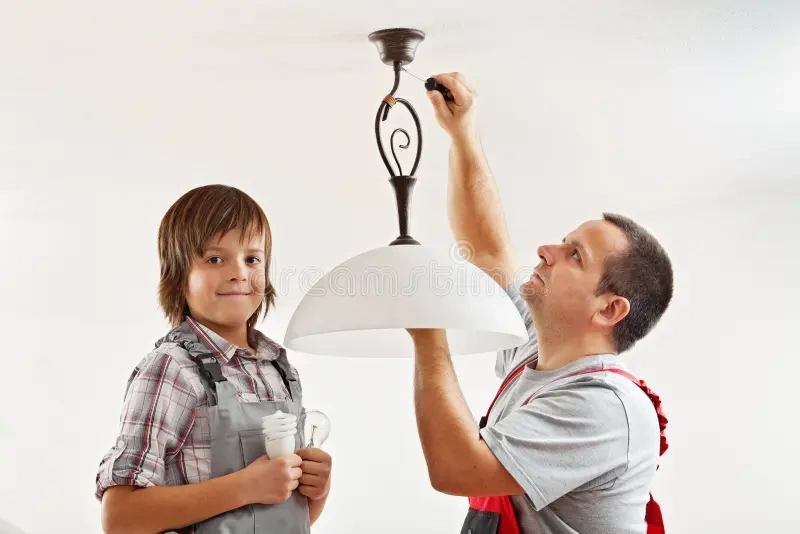
Safety is paramount here. You must emphasize that electricity is dangerous if mishandled. By mastering this simple task, your child gains the confidence to handle minor inconveniences without panic. They learn to assess a situation, identify the replacement part needed, and execute the fix.
2. Tightening Loose Screws and Hinges
Walk around any Indian household and you will find a wobbly chair or a cabinet door that does not shut properly. These are perfect teaching moments. Hand your child a screwdriver and teach them the phrase "righty tighty lefty loosey" to help them remember the direction. This task develops fine motor skills and patience.
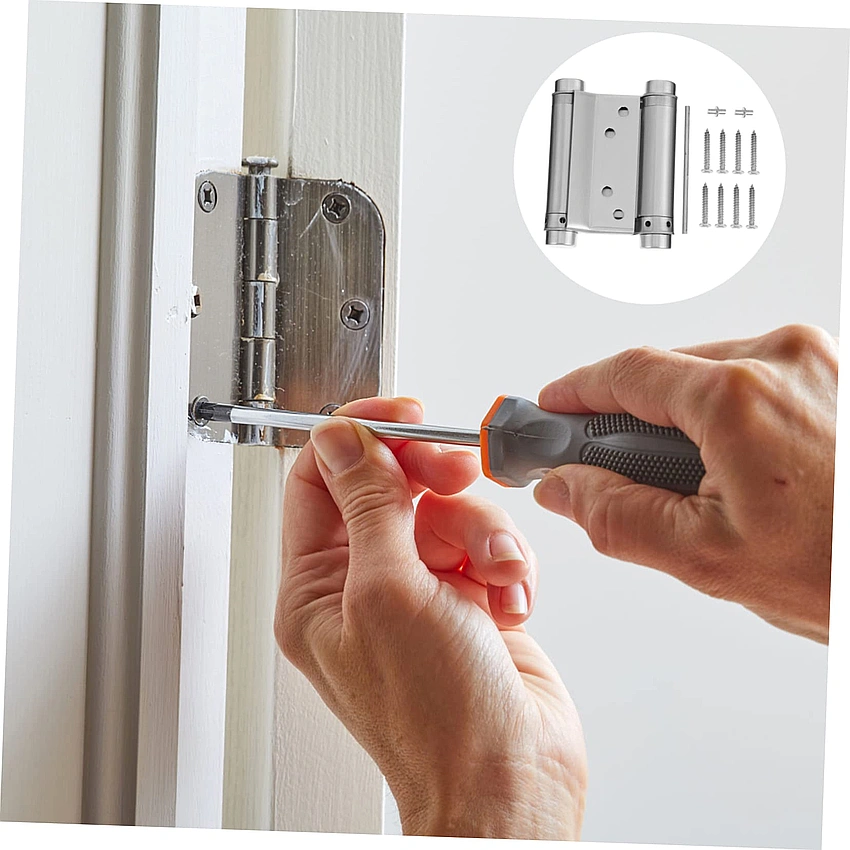
It also teaches them about mechanical stress and wear. They begin to understand that things degrade over time and that timely maintenance can prevent total failure. This is a vital lesson in stewardship and caring for one’s possessions.
3. Unclogging A Sink or Drain
This is a messy job but a necessary one. In India, kitchen sinks often get clogged with food particles. Teach your child how to use a plunger effectively. Explain the physics of suction and pressure. If the plunger fails, show them how to open the trap underneath the sink.
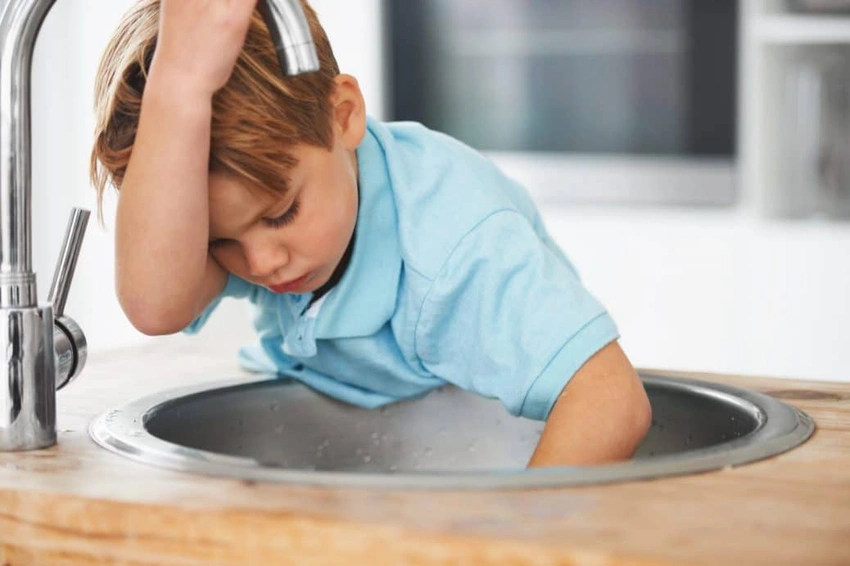
This task demystifies the "yuck" factor of manual labor. It teaches them that maintaining hygiene requires effort and that plumbing systems follow logical paths. Understanding how water flows and where blockages occur is a practical lesson in fluid dynamics.
4. Mixing And Applying White Cement (or Putti)
Gaps between tiles or cracks in the wall are common issues. Buying a small packet of white cement and teaching your child how to mix it with water to the right consistency is a fantastic sensory and scientific lesson. They learn about chemical reactions as the powder turns into a paste and then hardens.
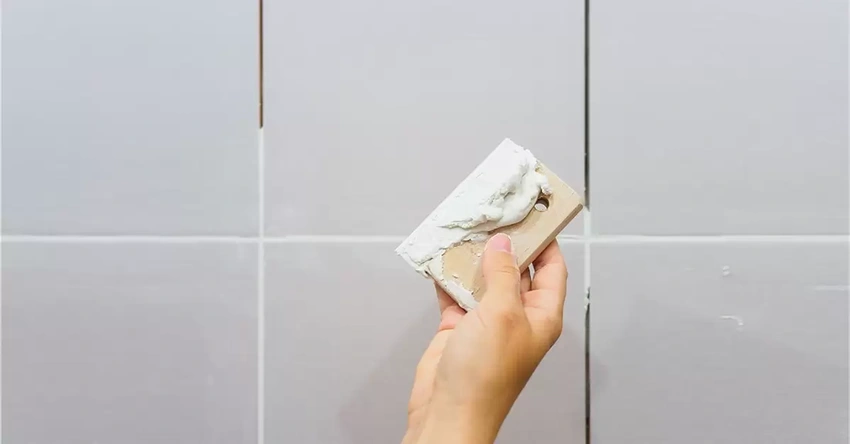
Show them how to apply it neatly to fill gaps in the bathroom or balcony. This develops an eye for detail and aesthetics. It also gives them a tangible result for their hard work which is incredibly satisfying for a young mind.
5. Wall Painting and Touch Ups
You do not need to repaint the whole house to teach this skill. Find a wall that has scuff marks or peeling paint. Teach your child how to sand the surface down, wipe it clean, and apply a fresh coat of paint.
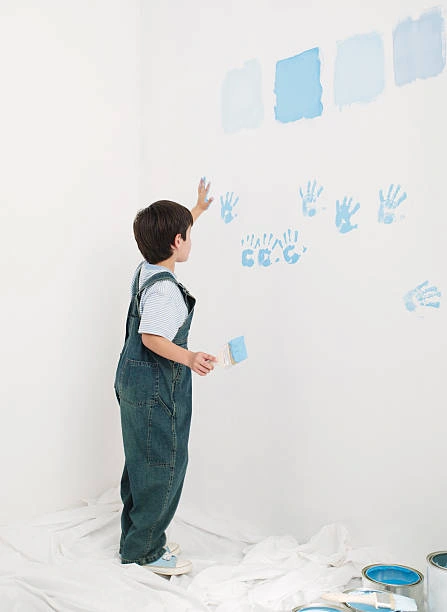
This activity teaches preparation and process. They learn that the quality of the finish depends on the preparation work done beforehand. This is a metaphor for life where success is often determined by the groundwork laid before the main event. It also allows them to express creativity and take pride in the appearance of their home.
6. Wiring A Three Pin Plug
This is a quintessential engineering task. Many appliances in India come without a plug or with a damaged one. Teach your older children how to strip the insulation off the wires and connect the live, neutral, and earth wires to the correct terminals.
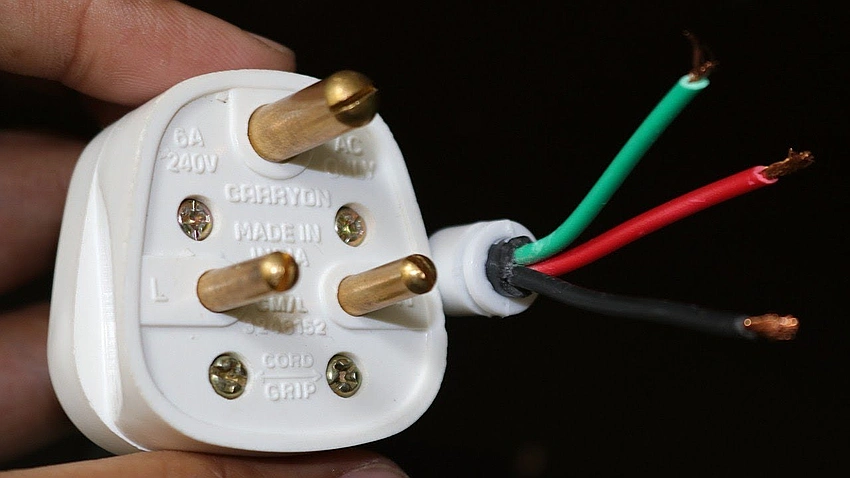
Explain the color coding standard. Red or brown for live, black or blue for neutral, and green for earth. This is a direct application of physics and logic. It teaches them to be precise and careful. A loose connection can cause a spark, so they learn the importance of double checking their work.
7. Resetting The Circuit Breaker Or MCB
When the power goes out in just one room, it is often due to a tripped MCB. Instead of sitting in the dark waiting for an electrician, teach your child how to locate the distribution board. Explain that the switch trips to protect the house from an overload.
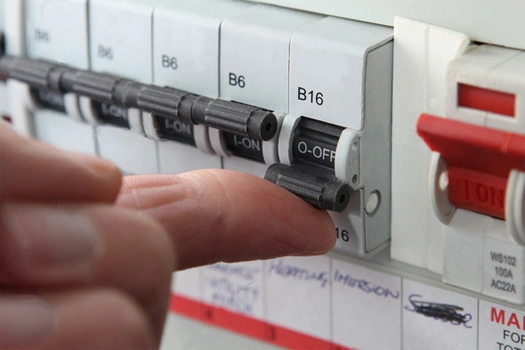
This teaches them about safety mechanisms and system loads. If they plug in too many heavy appliances, the system fails safely. Understanding this cause-and-effect relationship is crucial for developing a logical mindset. It empowers them to solve the problem instantly rather than feeling helpless.
8. Cleaning Air Conditioner Filters
In the Indian summer, an AC is a lifeline. However, a dusty filter reduces cooling and increases electricity bills. Show your child how to open the front panel, remove the mesh filters, and wash them gently.
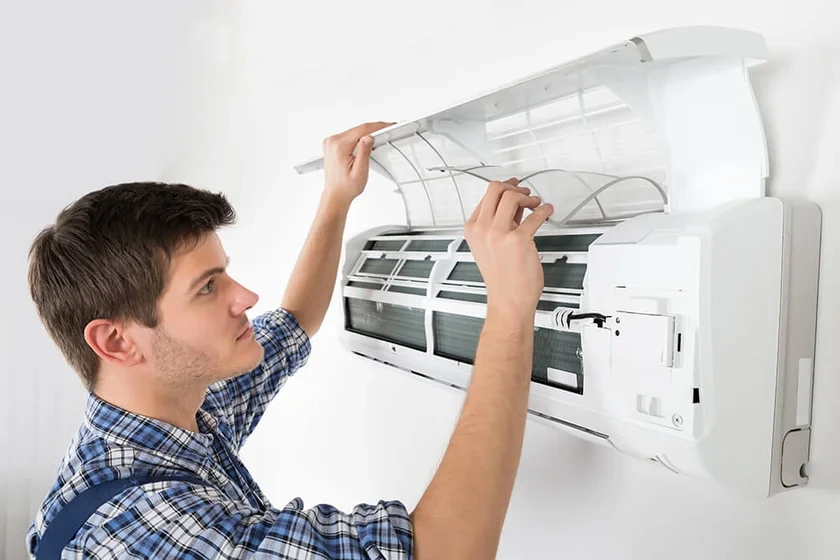
This task teaches efficiency. They learn that machines need clean inputs to function at their best. It connects the concept of maintenance with performance and energy saving. It is a simple job that has a direct impact on the family's comfort and finances.
9. Drilling A Hole and Using Wall Plugs
Hanging a picture frame or a clock requires more than just a nail. Teach your teenager how to use a power drill safely. Show them how to select the right drill bit size for the wall plug or "gitti".
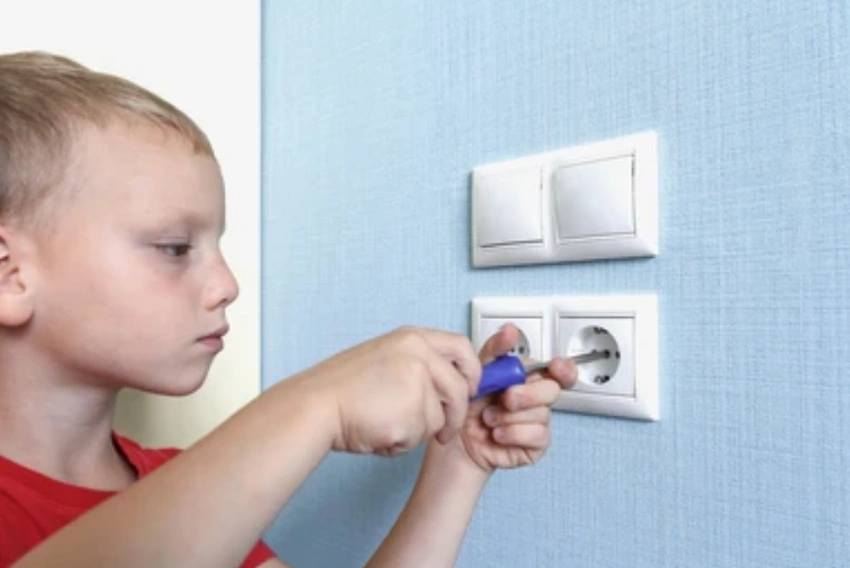
This is a power tool skill that requires focus and steady hands. It teaches them about different materials like brick, concrete, and plaster. Learning to drill straight and deep enough creates a sense of mastery over physical tools. It is a rite of passage that says you trust them with serious equipment.
10. Lubricating Moving Parts
Ceiling fans that squeak or bicycle chains that rust are annoyances that are easily fixed. Teach your child how to use lubricating oil or grease. Explain why friction happens and how oil reduces it.
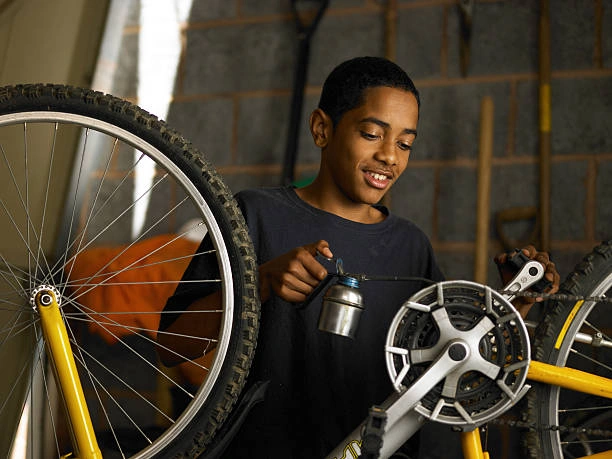
This is a lesson in mechanics. They learn that metal rubbing against metal causes damage and that a little care can extend the life of a machine significantly. It fosters an attitude of prevention rather than just cure.
Application in Bigger Textual Learning
Teaching these skills is not about raising a carpenter or an electrician. It is about raising a functional adult. When a child learns to fix a broken switch, they are not just fixing a circuit. They are fixing their own dependency. They learn that problems are merely puzzles waiting to be solved. This builds resilience. In a world that is increasingly digital and abstract, working with hands provides a grounding experience. It connects effort with tangible results.
Moreover, these tasks break down gender stereotypes. In many Indian households, mechanical jobs are reserved for boys and cleaning for girls. By teaching all these skills to both sons and daughters, you are promoting true equality. You are equipping your daughter to be safe and self-sufficient living alone in a new city. You are teaching your son to care for his home and value domestic labor.
Start small. Be patient. Supervise closely but let them hold the tools. The goal is progress, not perfection. The engineering mindset they develop will serve them well whether they become software developers, artists, or entrepreneurs. They will approach every challenge with the calm confidence of someone who knows how things work and how to fix them when they break.
