Delhi's Air Crisis Demands Bold, Urgent Solutions

Delhi's Air Crisis Demands Bold, Urgent Solutions
Delhi's choking air demands urgent, science-led action to cut pollution, safeguard health, and restore the city's breathing space amid winter smog.
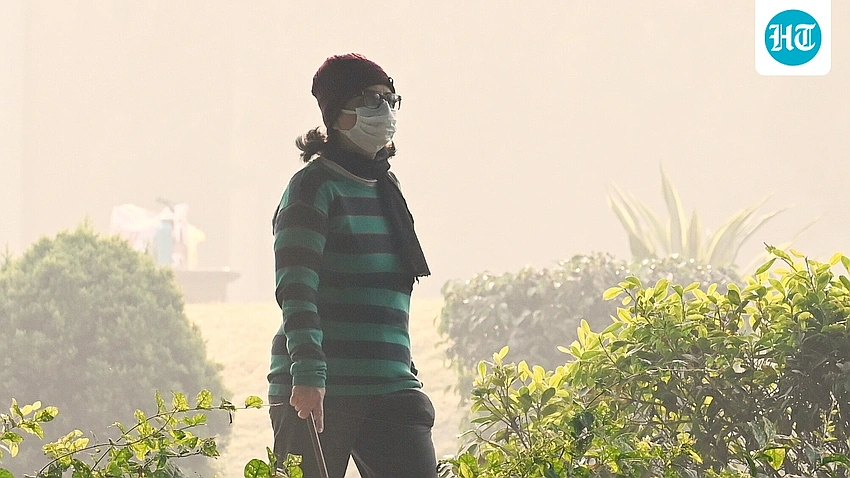
Each winter, Delhi wakes under a grey sky as the air thickens with smoke. The city endures closures of schools, flight delays, and a rush for masks as the Air Quality Index climbs into the severe range. This is not a seasonal nuisance; it is a chronic public health emergency.
Health and economic tolls are steep: long-term exposure can reduce life expectancy by up to 10 years in affected areas, and air pollution costs India about 1.36% of GDP annually in health care, lost productivity, and premature deaths.
Delhi's air problem isn't born of a single source. It is the sum of geography, meteorology and human activity, which means emergency responses—like cloud-seeding or domestic air purifiers used in government offices—are band-aids rather than solutions.
What is needed now is bold, sustained, science-led action and cross-sector partnerships that turn small round-table discussions into lasting policy.
Citizens must also act with urgency and courage, and support measures that reduce emissions from transport, industry, construction, and burning practices.
Cover image source: Delhi air quality turns ‘severe’ as mercury dips to 9.7 degrees Celsius 🔗
