Nolan's 'The Odyssey' Sparks Debate: Is It an Epic for Everyone?

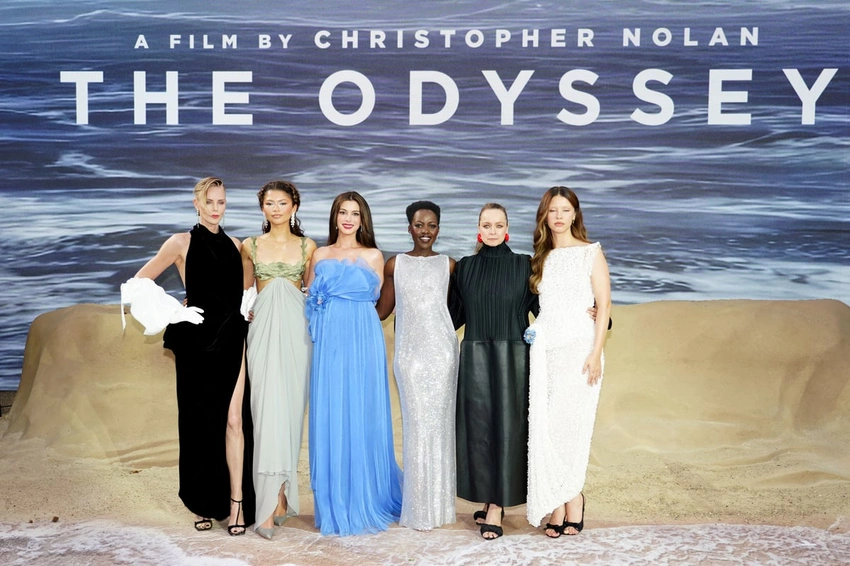
Nolan's 'The Odyssey' Sparks Debate: Is It an Epic for Everyone?
Christopher Nolan's blockbuster 'The Odyssey' is captivating audiences and critics, but is its epic journey resonating with all viewers? Dive into the critical discourse and key themes!
Christopher Nolan's latest cinematic endeavor, "The Odyssey," has stormed theaters, garnering significant attention as a blockbuster adaptation of Homer's ancient Greek epic. The film, which reimagines the arduous journey of King Odysseus back to Ithaca after the Trojan War, has been met with widespread acclaim, particularly from a predominantly male critical contingent.
However, the conversation around "The Odyssey" isn't uniformly praise. A notable discussion has emerged regarding whether the film's epic narrative and themes resonate equally with all audiences, specifically questioning if female viewers might find the experience less comfortable or relatable compared to their male counterparts. This adds an intriguing layer to the film's reception, moving beyond mere box office numbers to a deeper cultural critique.
Adding to the critical dialogue, film critic Richard Brody highlighted "The Odyssey" as one of the summer's most notable movies. Furthermore, Time Magazine delved into the film's thematic core, explaining that to fully grasp its ending, one must understand "Zeus' Law," or more specifically, "Xenia." This ancient Greek concept of guest-host relationship is depicted as central to Nolan's interpretation, offering a profound lens through which to view Odysseus's trials and triumphs. Fans have reacted with palpable excitement, with many describing their viewing experience as "unlike anything I expected," underscoring the film's powerful impact and Nolan's distinctive directorial stamp.
