Moscow Under Drone Attack: Ukraine Strikes Refineries, Russia Threatens Escalation

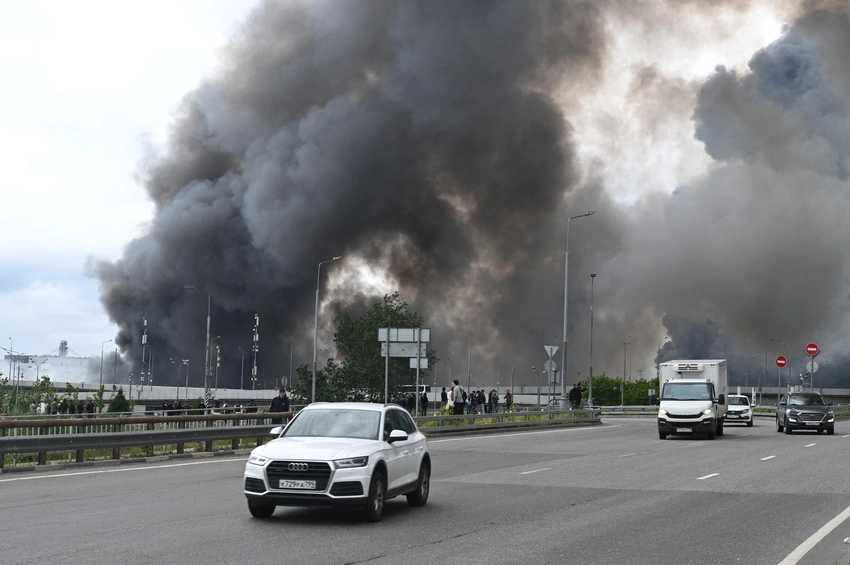
Moscow Under Drone Attack: Ukraine Strikes Refineries, Russia Threatens Escalation
Ukraine's largest drone attack hits Moscow's oil refineries. Russia warns of "massive group strikes" in retaliation, while a Ukrainian drone maker uses footage for marketing. #UkraineWar
Ukrainian forces recently carried out their most extensive drone attack on Moscow, targeting vital Russian oil refineries. This significant operation, which unfolded on June 19, involved several types of sophisticated drones and specifically aimed at the crucial AVT unit of the refinery, marking a landmark in complex drone strikes. The scale and precision of the attack highlighted both Ukraine's evolving capabilities and Russia's defensive vulnerabilities.
In response to these strikes, Russia swiftly issued a stern warning, pledging to carry out frequent and "massive group strikes" against Ukraine. This threat signals a potential escalation in the ongoing conflict, raising concerns about retaliatory actions and the broadening scope of hostilities.
Adding a controversial layer to the events, Ukrainian drone manufacturer Fire Point capitalized on the attack for its marketing efforts. Just hours after the strikes commenced, the company showcased video footage of the drone attack on Russian oil refineries at the Eurosatory defense show. This move has drawn attention, underscoring the unusual intersection of military actions and commercial promotion in modern warfare. The incident reflects a growing trend where military successes or events are immediately leveraged for public and commercial display, blurring lines between conflict reporting and marketing.
This drone offensive and Russia's subsequent threats underscore the volatile nature of the conflict and the continuous development of tactical strategies by both sides. The use of advanced drones and the immediate strategic responses indicate a new phase in the engagements, with potential far-reaching implications for regional stability.
