Is This The End of Confusing Social Media? Mastodon’s Bold New Look Explained

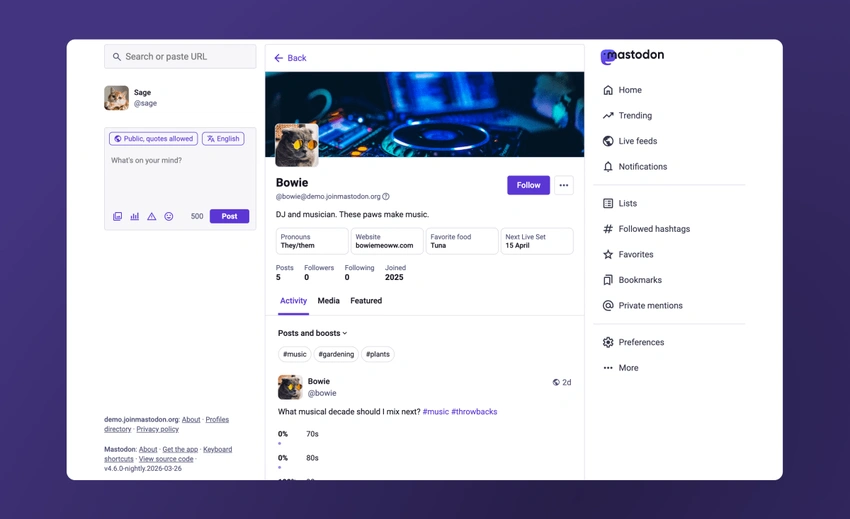
Is This The End of Confusing Social Media? Mastodon’s Bold New Look Explained
Mastodon is finally fixing its biggest problem: usability. Can a sleek redesign make decentralized social media the new standard for everyone?
Social media is undergoing a massive shift. For years, Mastodon was the quirky, nerdy alternative to the big tech giants. It was built on the promise of decentralization, but for many average users, the experience felt like walking into a laboratory without a manual. That is finally starting to change.
The recent push to redesign Mastodon profiles is a signal that the decentralized web is ready to stop being niche. By focusing on a cleaner aesthetic and a more intuitive user interface, the platform is addressing its biggest hurdle: the friction of entry. Most people do not care about protocols or server instances. They care about finding their friends and having a pleasant space to share their thoughts. This is a move toward the mainstream that focuses on people rather than just the underlying code.
This revamp targets not just individual users but also organizations that need a professional presence. If decentralized networks want to win, they have to compete on user experience, not just on ethics. Privacy and data ownership are great selling points, but they are rarely enough to move the needle for the mass market. People want things that work smoothly and look great.
Why Design Matters for Decentralization
- Simplified Profiles: The new layout prioritizes content and personality over metadata, making it easier to see who someone is at a glance.
- Mainstream Appeal: By removing the clunky visual barriers, the platform becomes a viable home for brands and public figures.
- Reduced Friction: A polished interface helps new users feel at home immediately, rather than feeling like they need a degree in computer science to post a status update.
The Fediverse has always had the moral high ground, but it often lacked the visual appeal to keep people around. If Mastodon can marry its decentralized soul with a modern, sleek interface, we might actually see a genuine challenge to the status quo. The question is no longer just about who owns the server. It is about who provides the best home for our digital lives. If you have been avoiding the jump because it looked too complicated, now might be the time to look again. The gates are opening, and the view is finally starting to look familiar.
