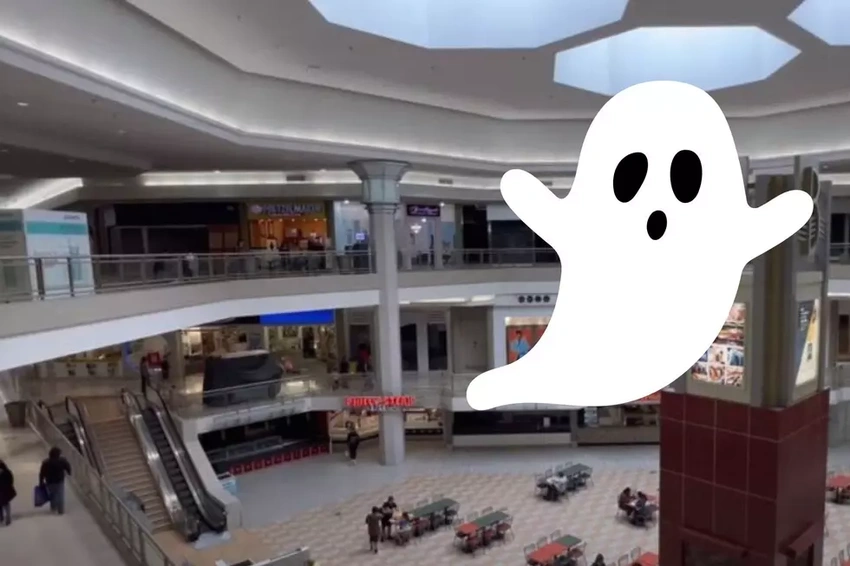
The Mall as a Ghost of Social Interaction

The Mall as a Ghost of Social Interaction
Explore the hyper-niche nostalgia of 2010s malls, where abandoned food courts and dim storefronts linger as ghostly monuments of past social life.
The Echoes of the Food Court
Remember the distinct hum of a Saturday afternoon shopping center in the early 2010s? The air smelled faintly of hot pretzels, chlorinated fountain water, and cheap body spray from the nearest teen retailer. Today, stepping into one of these cavernous structures feels less like a retail trip and more like an archaeological excavation of our own youth.
We left our social lives in these echoing corridors, trading face-to-face hangouts for digital feeds.
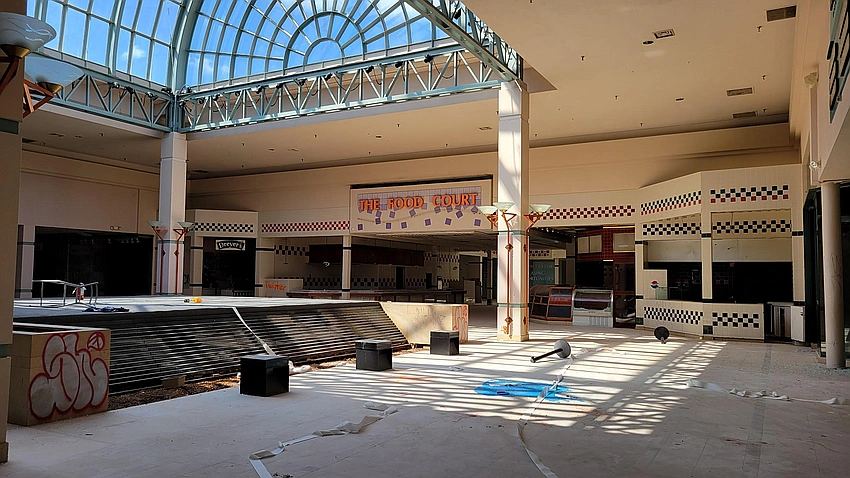
Monuments to Offline Connection
Before algorithms curated every minute of our free time, the local shopping hub was the ultimate default meeting spot. It was neutral territory where we learned how to flirt awkwardly over a shared basket of fries and browse graphic tees we could not afford. These buildings were social engines, grinding out memories in the background of dim lighting and rolling metal security gates.
The mall was not just a place to buy things. It was a place to practice being a person in public.
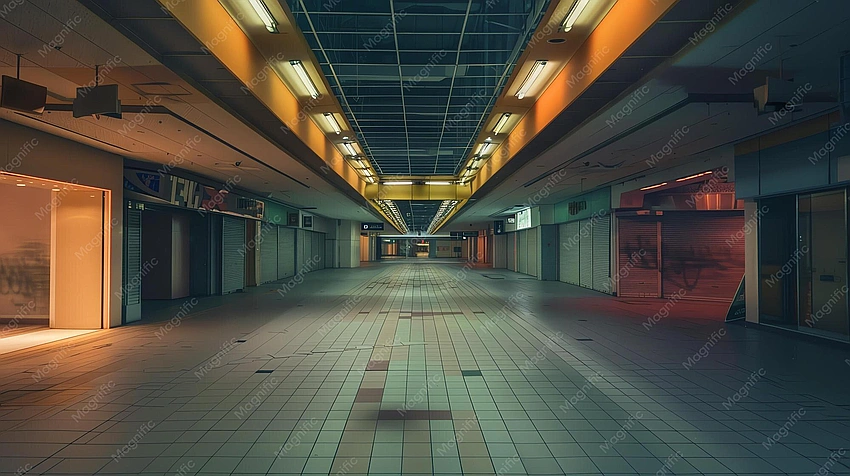
What Replaced the Concrete Piazza?
As foot traffic dried up and anchors stores shuttered, the physical architecture of community vanished right along with them. We replaced the sensory overload of neon signs and sliding glass doors with endless vertical scrolling on glowing glass screens. The modern ghost town aesthetic of decaying retail parks captures a specific brand of sorrow - a mourning for spaces that required us to leave our houses to feel seen.

Login to comment.