Lula Outshines Putin & Raisi at BRICS Summit, But Why Russia and Iran Were Sidelined

Lula Outshines Putin & Raisi at BRICS Summit, But Why Russia and Iran Were Sidelined
At the Rio BRICS summit, Brazil’s Lula took charge as Russia and Iran were kept on the edges. Why were they pushed aside and what does that mean for global influence?
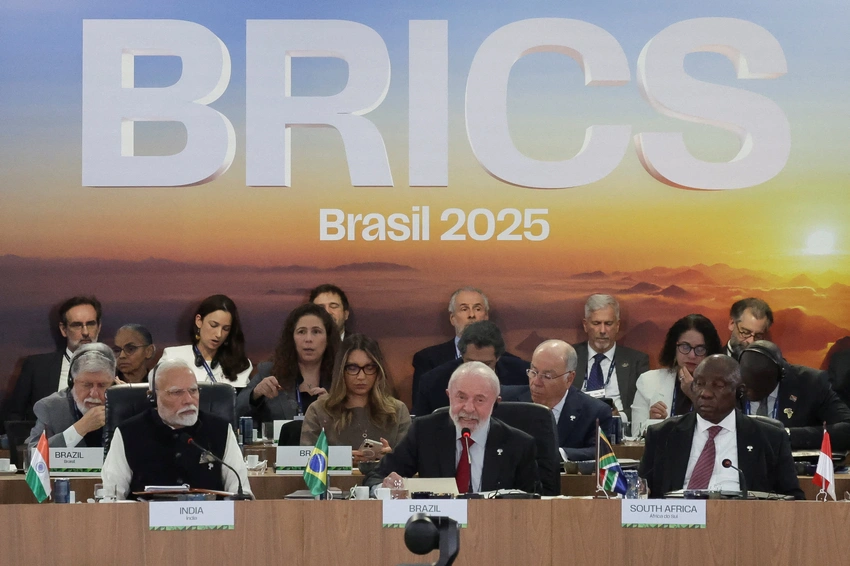
July 7th,2025, Rio de Janeiro. Brazil’s President Luiz Inácio Lula da Silva seized the spotlight at the two-day BRICS summit held in Rio de Janeiro. He projected unity and purpose. Meanwhile, Russia and Iran, once central players, found themselves increasingly sidelined, raising key questions about the evolving dynamics within the bloc.
Why were Russia and Iran relegated to the periphery?
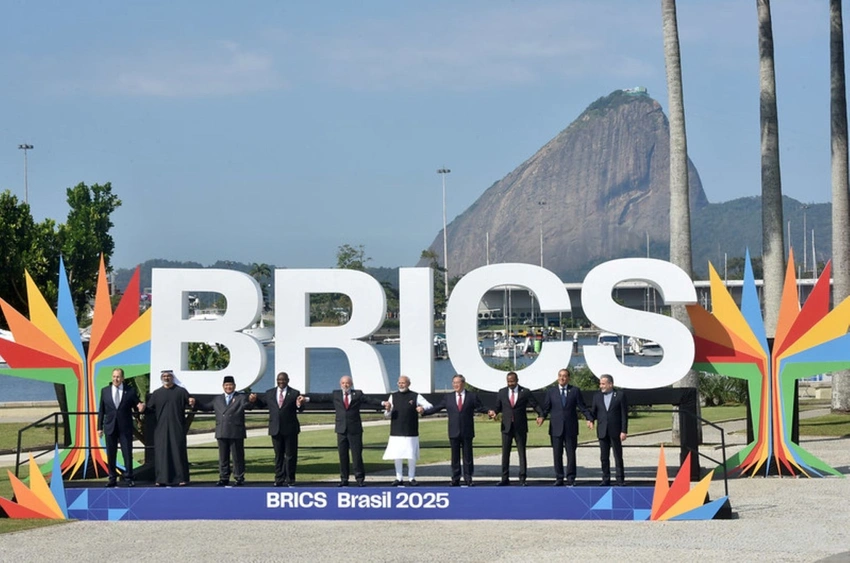
Lula clearly wanted a cohesive image. When leaders posed for the iconic group photo at Sugarloaf Mountain, he stood center flanked by South Africa’s Cyril Ramaphosa and India’s Narendra Modi. Russia’s Foreign Minister Sergei Lavrov and Iran’s Foreign Minister Abbas Araghchi were noticeably back row, an intentional visual sideline.
Vladimir Putin stayed away entirely, citing fear of arrest over an ICC warrant a serious legal threat. Iran, under fresh military pressure from Gaza or Israel, also kept its president away, sending its foreign minister instead.
Brazil deliberately steered discussions toward health, AI, green energy, and climate finance, topics that resonate globally and avoid entanglement in contentious foreign policy. The aim was to avoid provoking Western powers, particularly a wary U.S. under Trump, who warned of extra tariffs for BRICS alignment.
What does this shift mean?
By isolating its most controversial members, the group signals a pivot toward pragmatic issues such as global infrastructure, trade reform, and climate finance, potentially broadening its appeal to the Global South and moderates.
Yet sidelining Russia and Iran risks exposing fault lines. Russia remains a key oil and military influencer; Iran anchored Middle East representation. Their reduced presence could weaken BRICS' ability to project collective influence.
So what were the signal's sent to western powers? The balanced summit communicates a desire to reform global institutions not confront them. Lula’s emphasis on reforming the UN Security Council and World Bank positions BRICS as reformist rather than revolutionary.
The “Why” behind this unfolding drama
Why did Lula focus on optics?
He needed consensus and legitimacy. With an ideologically diverse group, clear imagery sends reassurance of stability and purpose. It’s also a reminder to the U.S. and Europe: BRICS isn't merely an anti-West bloc.
Why avoid naming conflicts?
The official declaration condemned attacks on Iran and Gaza but didn’t name perpetrators like Israel or the U.S. reflecting a cautious, diplomatic stance aimed at unity and neutrality.
Why lean into new members?
Brazil invited new partners like UAE, Indonesia, and Saudi Arabia, signaling BRICS’ pivot toward inclusivity, economics, and climate action—away from geopolitical fault lines.
It can be argued this could mark a turning point. Oliver Stuenkel (FGV São Paulo) commented “You import tensions into BRICS by adding new members,” reflecting the friction between democracies and authoritarian regimes.
Could Putin have attended covertly?
Legally, no. The ICC warrant bars him from travel to signatory countries unless immunity is granted unlikely from Brazil.
Will Russia and Iran lose influence permanently?
Not immediately. But if sidelining becomes standard, it could dampen their economic and diplomatic influence within BRICS.
Is BRICS still anti-West?
BRICS's official statements steer clear of overt anti-Western rhetoric. Instead, they criticize protectionism and highlight multilateral reform
