India Responds to Hormuz Crisis: Modi Addresses Energy Risks

India Responds to Hormuz Crisis: Modi Addresses Energy Risks
India reviews the Hormuz chokehold's impact on oil and gas supplies as Modi tells Parliament the nation must safeguard energy security amid West Asia tensions.
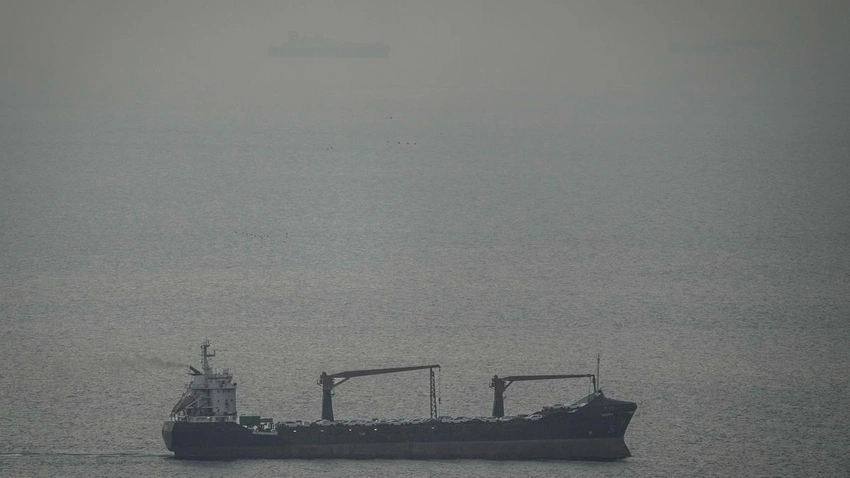
In a high-stakes session of Parliament, Prime Minister Narendra Modi described the Hormuz Strait disruption as a concerning situation for India, underscoring how the country imports a significant portion of its crude oil and natural gas from Gulf nations. He emphasized that stability in West Asia is crucial for keeping energy prices steady and for maintaining the fuel supplies that power the Indian economy.\n\nOfficials said the government is closely monitoring the ripple effects on energy, manufacturing and consumer prices, and has started reviewing the impact on supply chains and essential commodities. Ministers reiterated that India must remain nimble—diversifying sourcing where possible, strengthening strategic reserves, and coordinating with industry to cushion households and businesses from price shocks. The focus is on ensuring that any disruption in the Hormuz corridor does not translate into sudden energy shortages at the pump or in factories.\n\nIn parallel, reports from the region noted ongoing navigation through the Strait of Hormuz by Indian-flag LPG tankers, illustrating that energy flows are continuing despite the tensions. Analysts say this underscores the fragility of global energy routes and the importance of resilient logistics and diversification strategies.\n\nBeyond energy, the government is watching regional dynamics with caution, given the broader Iran-Israel and U.S.-Iran tensions. Delhi has urged calm and dialogue, stressing that stable, predictable exchanges in energy and trade are essential for all economies dependent on Gulf energy. Economists warn that even short-term disruptions can lead to price volatility, affecting everything from household budgets to industrial input costs. The administration says it will keep Parliament updated as it coordinates with producers, refiners, and suppliers to safeguard energy security while pursuing diplomatic channels to reduce spillovers from regional strife.
