How Innovations in Pepper Breeding Shapes Snack Trends

How Innovations in Pepper Breeding Shapes Snack Trends
The Rise of Crunchy Vegetable Snacks
Over the past decade, the global snack market has seen explosive growth in plant-based options. Shoppers want convenient products that align with healthier lifestyles, and crunchy vegetable snacks 🔗 deliver on that promise. Unlike fried chips loaded with artificial flavors, these snacks highlight the natural taste and texture of vegetables.
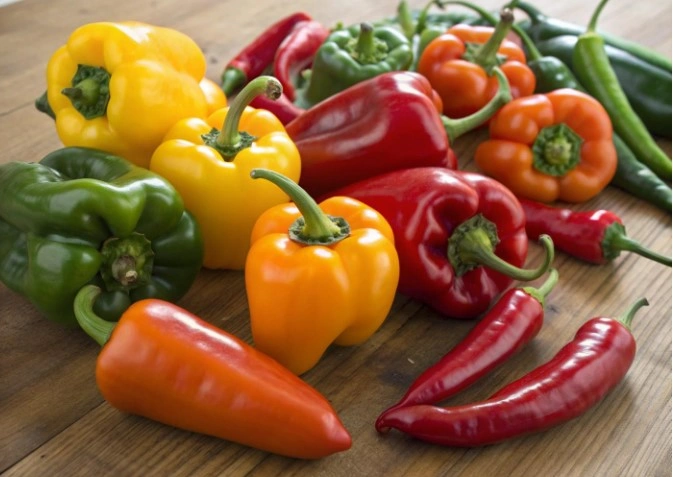
Peppers in particular have gained popularity as a base for crunchy snack formats. They are low in calories, rich in vitamin C, and available in a wide spectrum of flavors from sweet to spicy. Innovation in processing has made it possible to turn fresh peppers into shelf-stable, crispy bites without losing their vibrant appeal.
From improved texture and nutrition to sustainability and global market readiness, innovation in pepper breeding 🔗 is at the core of this transformation. For growers, breeders, and snack manufacturers alike, the opportunities are enormous.
Crunchy vegetable snacks aren’t just a trend—they are a preview of how the future of food will look: healthier, more sustainable, and undeniably satisfying.
This shift is more than just a passing fad—it’s part of a broader movement toward functional foods that nourish as much as they delight.
Innovation in Pepper Breeding Explained
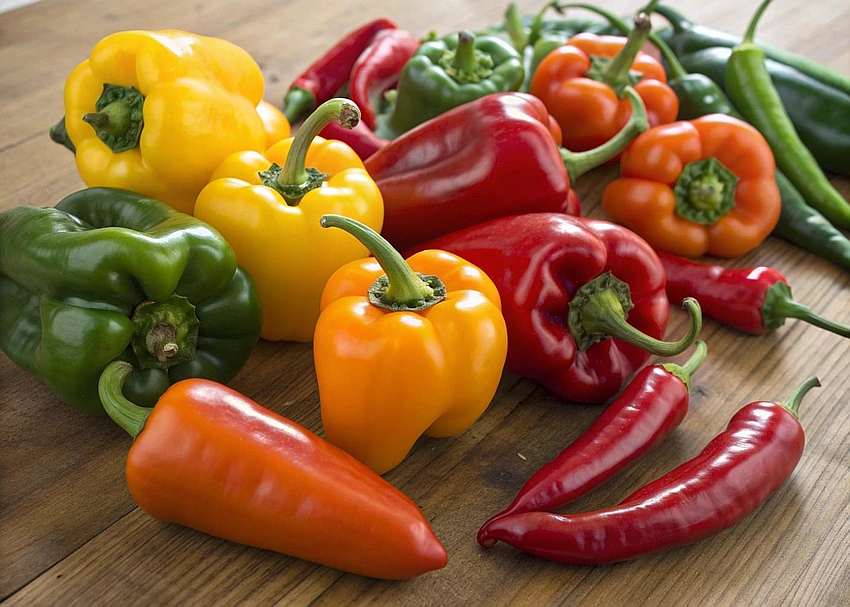
Pepper breeding has come a long way since the days of simple cross-pollination. Traditional methods could take decades to produce new varieties with improved traits. Today, advanced science has accelerated that timeline dramatically.
Genome mapping, marker-assisted selection, and CRISPR technology 🔗 are now common tools in the breeder’s toolkit. These techniques allow scientists to identify and enhance specific traits in peppers, whether it’s disease resistance, nutritional content, or textural qualities that make them perfect for snacking.
The focus isn’t just on growing more peppers—it’s on growing better peppers. Breeding innovation ensures that peppers can withstand climate challenges while also meeting the needs of global food companies looking for consistency and quality.
Breeding Peppers for Taste and Texture
Crunch is a defining feature of snacking, and peppers are uniquely suited to deliver it. Through targeted breeding, scientists can emphasize cell wall structures that enhance crispness. At the same time, they fine-tune sugar levels to balance sweetness and spiciness.
This is especially important for snack manufacturers. Consumers may accept variations in flavor when cooking with fresh produce, but when opening a bag of crunchy vegetable snacks, they expect a consistent experience every time. Breeding innovation makes that reliability possible.
It’s not only about satisfying taste buds—it’s about creating sensory excitement. Imagine a pepper snack with the perfect snap, balanced heat, and vivid color, designed from seed to shelf to impress.
Health and Nutrition as Breeding Goals
One of the strongest selling points for peppers is their nutrient density. Rich in vitamins A and C, antioxidants, and capsaicin, they bring significant health benefits. Breeders are now pushing further, selecting traits that enhance nutritional value without compromising taste.
For example, some breeding programs focus on higher antioxidant levels to support immune health. Others aim for peppers with more beta-carotene, appealing to consumers who associate vibrant colors with vitality.
This aligns perfectly with the rise of crunchy vegetable snacks marketed as “better for you.” Shoppers increasingly scan labels for functional benefits, and pepper-based snacks offer exactly that. By designing peppers with enhanced nutrients, breeders give snack companies an edge in attracting health-conscious buyers.
Meeting Sustainability Demands Through Innovation
Today’s snack consumers are not just concerned with what they eat—they care about how it’s produced. Sustainability is a critical part of the food conversation, and pepper breeding is responding.
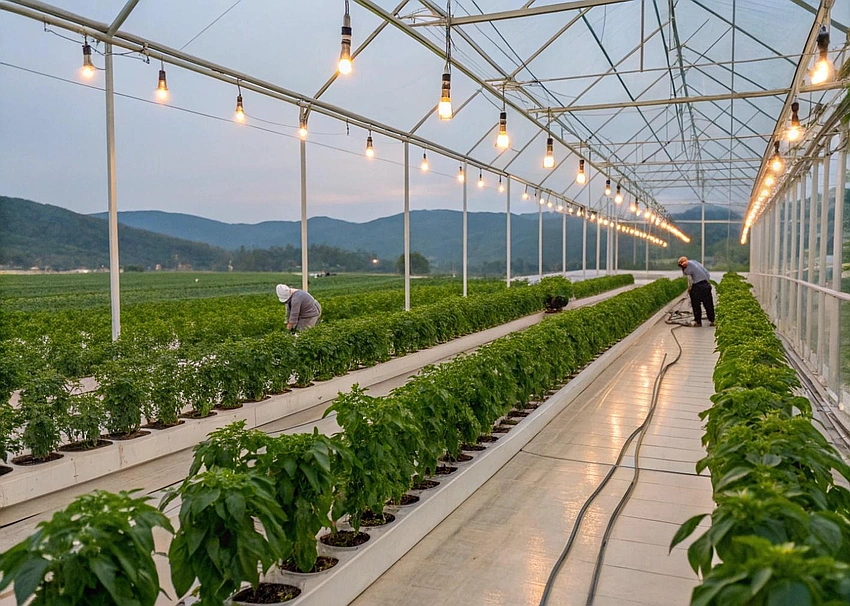
By creating varieties that require less water, resist pests naturally, and adapt to climate stress, breeders reduce the environmental footprint of pepper production. For food brands, this translates into snacks that can be marketed as both eco-friendly and nutritious.
Sustainable breeding also helps growers by lowering input costs and increasing resilience. That means a steadier supply chain for snack manufacturers and fewer crop losses for farmers.
From Farm to Snack Shelf
The journey from experimental pepper seeds to packaged snacks is a complex process. Breeders develop new varieties, growers cultivate them under real-world conditions, and processors transform them into snackable forms.
Each stage requires alignment. Growers need peppers that perform well in diverse environments, while processors need peppers that hold up under drying or baking methods. Breeding programs ensure that these needs are considered from the start, producing peppers tailored not only for the field but also for the factory.
As peppers transition into snacks, branding also plays a crucial role. Brightly colored varieties become visual marketing assets, drawing consumer attention and reinforcing the “natural” and “healthy” positioning.
Global Trends and Future Outlook
Crunchy vegetable snacks are not limited to one market. From North America to Asia, consumers are embracing them as part of the global wellness trend. The versatility of peppers makes them especially suited for international adaptation, whether as spicy chili snacks in Mexico or sweet bell pepper crisps in Europe.
Looking ahead, the integration of digital agriculture and AI-driven breeding is likely to make peppers even more adaptable and efficient. Data from consumer preferences will directly influence breeding programs, creating peppers bred specifically for snack lines.
We may soon see peppers designed for unique culinary niches—varieties bred for extra crunch when dried, or peppers with enhanced natural sweetness for kids’ snacks. The combination of crunchy vegetable snacks and innovation in pepper breeding is shaping a future where healthy snacking becomes the global norm.
FAQs
1. What are crunchy vegetable snacks?
Crunchy vegetable snacks are shelf-stable products made from vegetables like peppers, carrots, and beans, designed to provide a healthy alternative to chips or fried snacks.
2. How does innovation in pepper breeding impact snacks?
Innovation in pepper breeding improves traits like texture, sweetness, and nutritional value, making peppers ideal for producing consistent, flavorful snacks.
3. Why are peppers popular in snack production?
Peppers are versatile, colorful, naturally crunchy, and nutrient-rich, making them attractive for both health-conscious consumers and food companies.
4. What breeding methods are used to improve peppers?
Modern techniques include genome mapping, CRISPR gene editing, and marker-assisted selection to enhance crunch, disease resistance, and flavor.
5. Do pepper-based snacks retain nutritional benefits?
Yes, many processing methods preserve vitamins, antioxidants, and natural compounds, allowing pepper snacks to remain nutrient-dense.
6. Are crunchy vegetable snacks healthier than chips?
Generally, yes. They often contain fewer calories, less fat, and more natural nutrients compared to traditional fried snacks.
7. How do consumer trends influence pepper breeding?
Consumers demand sustainable, functional, and flavorful foods, which drives breeders to design peppers with traits aligned to those preferences.
8. Can small pepper growers benefit from breeding innovation?
Absolutely. Improved varieties can lower input costs, resist pests, and provide more consistent yields, supporting growers of all scales.
