US Supreme Court Allows Rapid Deportations to Third Countries, Legal Battle Continues

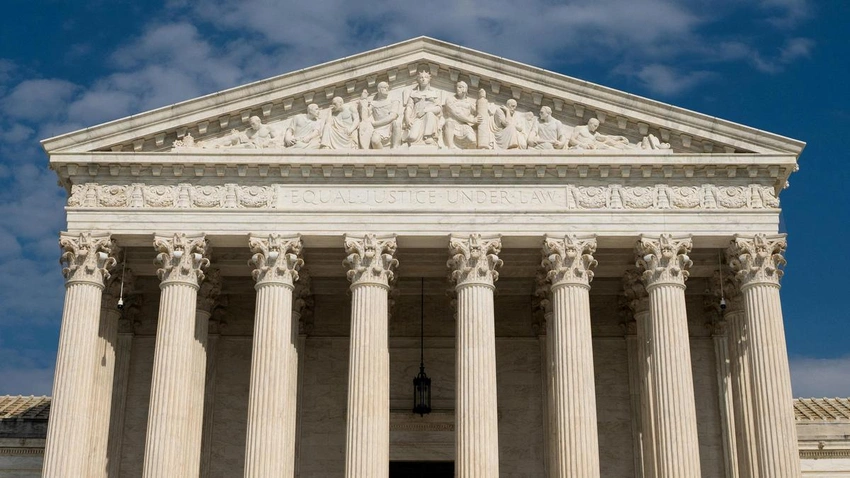
US Supreme Court Allows Rapid Deportations to Third Countries, Legal Battle Continues
The Supreme Court temporarily permits the former Trump administration's rapid deportation policy to third countries, sparking legal and humanitarian concerns. Dive into the details.
The U.S. Supreme Court recently issued a significant ruling, allowing the former Trump administration's policy of rapid deportations to third countries to continue, at least for now. This decision comes as the justices prepare to hear full arguments on the legality of the controversial policy later in December.
The high court's order effectively pauses a lower appeals court ruling that had previously insisted migrants must be given a meaningful opportunity to object before being sent to countries where they have no personal ties. Federal attorneys had argued that the appeals court's decision forced the cancellation of a deportation flight carrying approximately 70 individuals.
This policy has been a cornerstone of the former administration's immigration agenda.
Under a series of often-secret agreements, an estimated 25,000 people have already been deported to more than two dozen different countries, including places like Liberia and Guyana, though the vast majority were sent to Mexico.
The former Trump administration maintained that these deportations are necessary for individuals with final deportation orders who cannot be returned to their home countries or whose native countries refuse to accept them, including those with criminal convictions. They claim to have assurances from these third countries that deportees will not face persecution or torture.
However, advocates for immigrants paint a starkly different picture. Many migrants have reported finding themselves imprisoned in unfamiliar countries, facing severe safety risks, and sometimes left with no option but to return to the very home countries they were desperately fleeing.
Critics also point out that many of these individuals have no criminal records and are, in fact, highly vulnerable to torture or persecution, directly contradicting the assurances provided by federal attorneys.
This Supreme Court development unfolds amidst what was a sweeping immigration crackdown by the former administration, which had pledged to deport millions residing in the United States without legal status.
The upcoming arguments in December will be crucial in determining the long-term fate of this contentious deportation policy.
#USSupremeCourt #ImmigrationPolicy #DeportationCrisis #TrumpEraLegacy
