Why I am Trading My AI Filters for a Bulkier, Messier, and Better Camera

Why I am Trading My AI Filters for a Bulkier, Messier, and Better Camera
Sick of sterile AI perfection? Discover why wide-format analog photography is the ultimate antidote to our digital burnout and why those messy, physical prints matter more than ever.
The Death of the Perfect Pixel
We are currently living through the peak of digital perfection. Our smartphones use complex artificial intelligence to smooth out our skin, brighten the shadows, and even replace a grey sky with a sunset that never actually happened. While these tools are impressive, they are also starting to feel incredibly hollow. There is a growing sense of fatigue that comes with a photo library filled with ten thousand perfect, identical images.
That is exactly why the world is turning back to the bulky, plastic, and delightfully unpredictable world of analog instant film. Specifically, the wide-format camera is making a massive statement in an era of tiny screens. It is not just about nostalgia for a time some of us never even lived through. It is about a desperate need for something real that we can actually hold in our hands.
Embracing the Wide Angle
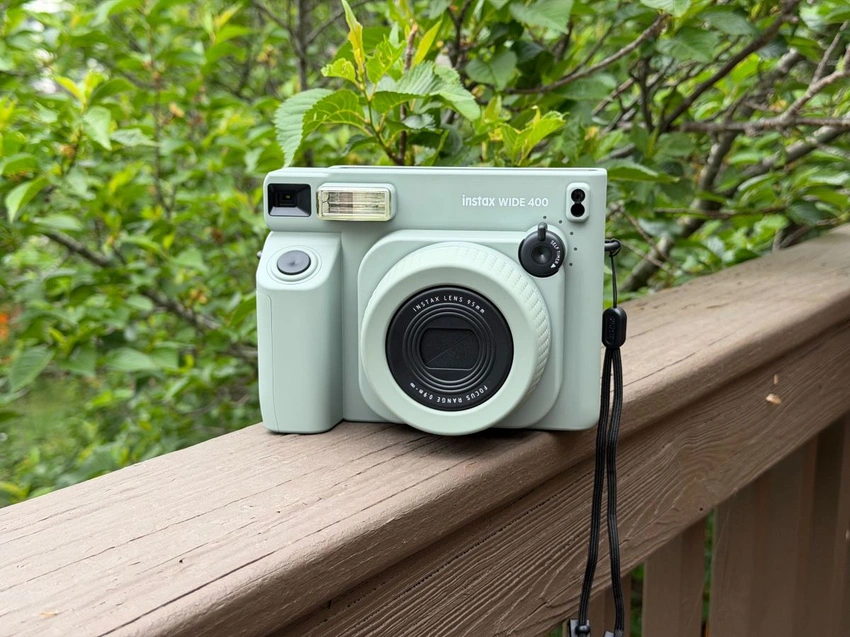
Most instant cameras give you a tiny, credit-card-sized memory. But the wide-format movement, led by the latest hardware like the Instax Wide 400, stretches the frame. It forces you to see more of the world. You cannot just hide behind a tight crop. You have to consider the background, the friends standing on the edge of the frame, and the actual environment you are in.
These cameras are not sleek. They do not fit in your pocket. Carrying one is a deliberate choice. It tells the world that you are here to document a moment, not just scroll through one. The physical size of the camera reminds you that photography used to be an event.
The Beauty of the Mistake
In the digital world, a mistake is a failure. If a photo is blurry or the lighting is off, we delete it immediately. In wide-format analog photography, the mistakes are often the best part. A light leak or a slight blur adds a layer of emotion that a high-resolution sensor simply cannot replicate.
There is a specific kind of magic in waiting for a physical print to develop. You watch the colors slowly bleed into existence. You cannot edit it. You cannot add a filter later. What you see is what you get, and that finality is liberating.
Making Memories Tangible Again
We have reached a tipping point where the chaos of analog film is more refreshing than the precision of AI. Holding a wide, physical photo feels like owning a piece of time. It is a messy, beautiful rebellion against the polished, algorithmic world we inhabit every day. It might be time to put down the smartphone, pick up something wide, and start embracing the beautiful mess of reality.
#AnalogPhotography #FilmIsNotDead #InstaxWide #InstaxWide400
