Bengal Verdict: BJP's Historic Win, Mamata Loses Bhabanipur

Bengal Verdict: BJP's Historic Win, Mamata Loses Bhabanipur
BJP scripts a historic Bengal win with 206 of 294 seats as Mamata Banerjee loses Bhabanipur, triggering intense political ripple effects.
West Bengal's election results on May 4 spelled a historic turn in Indian politics, with the BJP breaching Mamata Banerjee's citadel. The party surged to 206 of the 294 assembly seats, while the Trinamool Congress was left with 80, ending a 15-year rule and reshaping the state's political landscape.
Banerjee's personal stake in Bhabanipur also fell to the BJP, a development that underscored the scale of the challenge to her leadership and posed questions for the party's strategy ahead of future elections. The loss in what had been treated as home turf signals a broader realignment in West Bengal politics and places new pressure on the INDIA alliance to recalibrate its approach in the state and beyond.
Reaction within the INDIA camp reflected jitters about the bloc's roadmap. Shiv Sena (UBT) leader Sanjay Raut criticized Banerjee for not acting on earlier warnings about vote chori, suggesting a more constructive outreach to opposition voices might have altered outcomes. Rahul Gandhi, meanwhile, urged Congress workers and INDIA partners not to gloat, reiterating claims of vote chori in Bengal and Assam and calling for a sober, democratic response to the results.
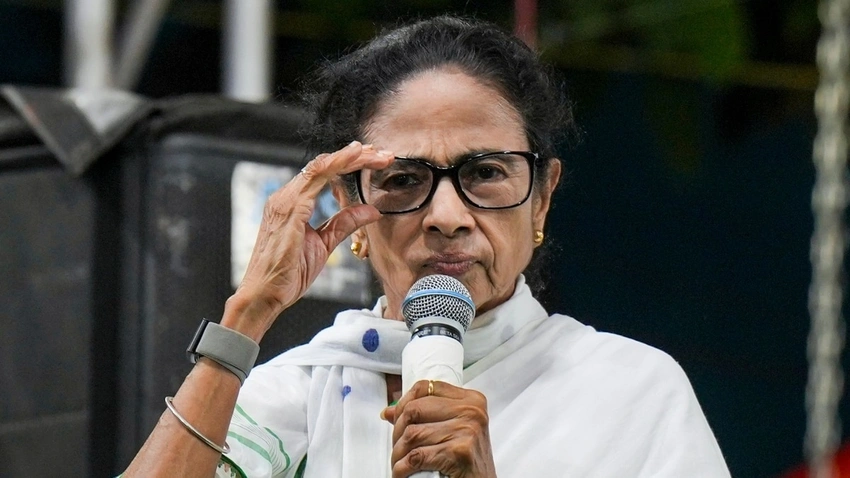
Banerjee herself called the victory immoral and illegal and questioned the Election Commission, framing the outcome as a setback to democratic norms while vowing to continue the political fight. Analysts say the results will force a serious rethink within the INDIA alliance about seat-sharing, candidate selection, and ground strategy as regional dynamics continue to shift. The verdict also deepens political discourse around the EC's role and the boundaries of electoral campaigning, setting a combustible backdrop for the months ahead.
Overall, Bengal's verdict is not just a regional reshuffle; it reverberates through national politics, signaling potential shifts in alliances, leadership calculations, and the tempo of campaigning as parties brace for new tests on the horizon.
