Burnham's £880m Tax Plan: Can It Save Britain's High Streets?

Burnham's £880m Tax Plan: Can It Save Britain's High Streets?
Andy Burnham's bold new tax plan aims to revitalize UK high streets by exempting 140,000+ small businesses from rates. But will it cost £880m and who will pay?
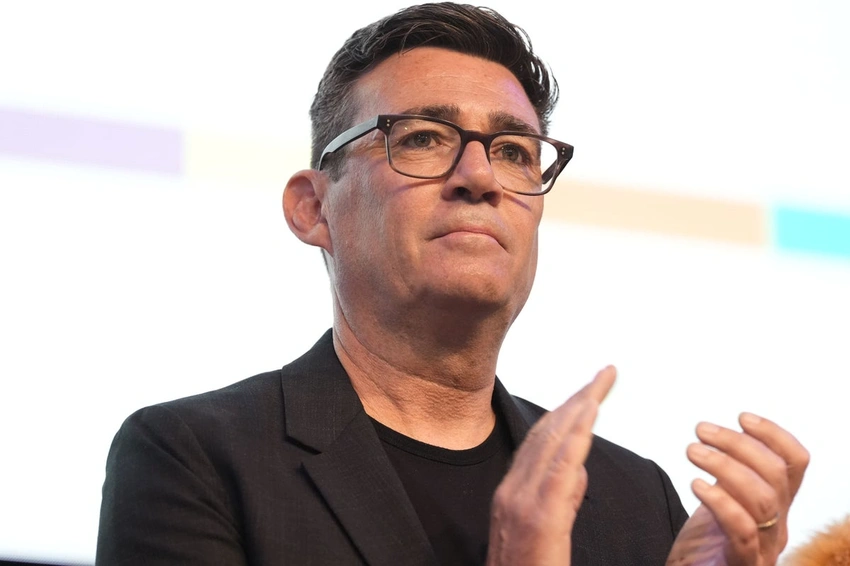
Andy Burnham, a prominent political figure, has put forward a significant plan designed to breathe new life into Britain's struggling high streets. This ambitious proposal aims to overhaul the current business rates system, offering a lifeline to thousands of small firms. However, fresh analysis suggests that implementing this plan could come with an annual price tag of around £880 million.
The core of Burnham's strategy involves increasing the threshold for 100 percent small business rates relief in England by 50 percent. This means that if his plans are adopted, the threshold would rise from a rateable value of £12,000 to £18,000. Furthermore, the upper limit for tapered relief would extend to £21,000, up from the current £15,000. Experts from global tax firm Ryan predict that these changes could exempt more than 140,000 additional small high street premises from paying business rates entirely.
To fund this substantial relief for small businesses, Burnham intends to impose higher property taxes on large warehouses. This move directly targets online retail giants, such as Amazon, arguing they should contribute more to support traditional high street enterprises. Speaking on LBC, Mr. Burnham indicated there's "room for movement on tax" within Labour’s manifesto, while assuring commitment to the party's fiscal rules.
While the objective of supporting small businesses is widely lauded, concerns have been raised regarding the funding mechanism. Alex Probyn, a practice leader for property tax at Ryan, acknowledged the positive aim but questioned how the plan would remain revenue neutral. He pointed out that larger commercial properties already contribute significantly through existing business rates surtaxes to offset lower liabilities for sectors like retail, hospitality, and leisure. The "obvious question," Probyn added, is whether these larger entities will now be asked to contribute even more.
Burnham first outlined these proposals during the Makerfield by-election campaign, where he successfully championed the idea that "online giants" should bear a greater tax burden to bolster smaller, local businesses. The debate around this plan highlights the ongoing tension between supporting local commerce and the financial implications for larger corporations.
