Why We’re Addicted to Ambience Videos


Why We’re Addicted to Ambience Videos
Why We’re Addicted to Ambience Videos
From cozy cafés to study-with-me streams, ambience videos offer gentle companionship and steady focus. Explore why these quiet spaces draw us in, and how they become virtual third places for work, study, and creativity.
There’s something quietly compelling about tuning into a video of a crackling café, a lo-fi playlist looping for hours, or a silent desk lit by golden afternoon light. Unlike typical viral clips or punchy vlogs, ambience videos are unhurried and characterised by presence rather than performance. In recent years, these ambient virtual spaces; be they labeled “study with me,” lo-fi beats playlists, or nature soundscapes, have become staples for students, creatives, remote workers, and anyone craving a sense of calm focus or gentle companionship. But why are they so addictive?
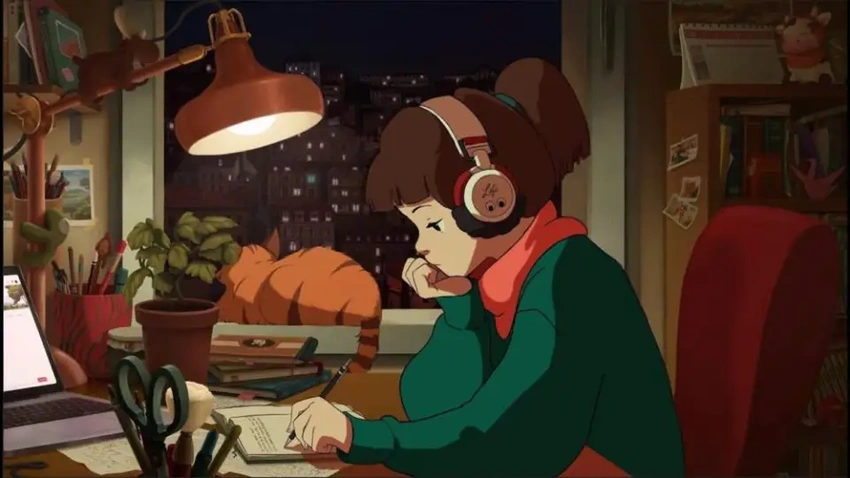
Ambience as Virtual Third Place
The concept of a third place that is a social environment beyond home (first place) and work (second place) has long been used to describe cafés, pubs, libraries and other community spaces where people gather, talk, and unwind. Traditionally, these places serve as emotional grounding points; they’re where we relax, meet peers, overhear human life unfolding around us, and feel part of something larger than our own isolated routines.
Ambience videos transpose this logic into the virtual realm. A lo-fi livestream with mellow beats and soft crackles is a “third place” without walls or chairs. A “study with me” clip replicates the quiet sociality of a library, where the presence of others even if imagined helps anchor focus and motivation. One research study found that viewers of study with mevideos often use them to create a personalised learning environment, regulate peer pressure, and derive emotional support akin to companionship during study sessions rather than literal instruction or guidance. These videos act as peers-in-silence: present, non-intrusive, and reassuring.
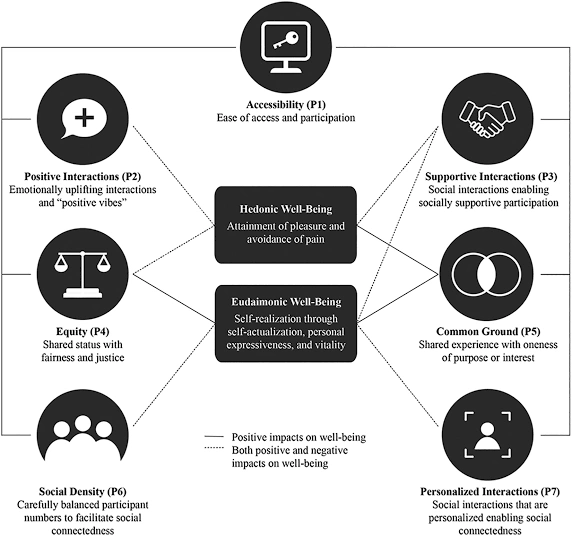
This imagined companionship can feel especially potent in contemporary life. In an era where remote work and study are increasingly common, our physical surroundings are often un-cafés or quiet bedrooms. Ambience videos fill that social gap by providing an illusionary presence that keeps us company in a task that is otherwise solitary.
Mood Regulation and Lo-Fi Comfort
What’s curious is that the appeal of these videos is emotional. Lo-fi music and ambient soundscapes are often used to regulate mood and anxiety, a tendency confirmed by psychological research. Studies suggest that particular genres and qualities of music especially those without disruptive lyrics or sudden dynamic changes can help listeners manage stress, regulate affect, and even enhance cognitive focus. In essence, lo-fi and ambience don’t just soundtrack a task: they scaffold a state of mind.
Lo-fi beats, in particular, seem to function as a neutral emotional companion. Listeners often describe feeling “less overwhelmed” or more able to settle into a task when such music plays quietly in the background. This resonates with broader research on music and emotional regulation, which shows that humans often use music to modulate mood, soothe anxiety, or shift emotional tempo.

This might explain why channels like Lofi Girl, one of the most watched livestreams on YouTube with billions of views, have become cultural phenomena. Here, the ambient video isn’t just audio; it’s an aesthetic space where productivity feels softer, less fraught, and strangely shared even when alone.
Focus, Flow, and the Aesthetics of Calm
Part of the addictive allure of ambience videos stems from how they interact with our attention. According to psychological frameworks like Attention Restoration Theory (ART), environments with modest stimulation like gentle water sounds or steady background music, can help sustain longer periods of focus without draining mental resources. In classic ART, natural settings restore directed attention after cognitive fatigue. In a digital sense, ambience videos mimic that restorative effect by creating effortless attention: a background that supports focus rather than competes with it.
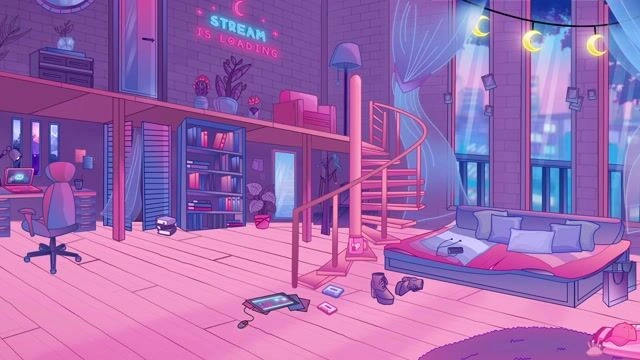
Compare this to the jarring, hyper-stimulating feeds of typical social media where every scroll brings abrupt tonal shifts. Ambience videos are the auditory and visual equivalent of a long exhale. They don’t demand attention so much as inviteit. This invites a state not unlike flow, where the boundary between self and task blurs, and time feels both expansive and contained.
The Digital Campfire
There’s a poetic quality to all this: as human beings, we’ve always gravitated toward shared rhythms beside us. Ambience videos, in their gentle constancy, replicate these rhythms digitally. They are, in a sense, the 21st-century hearth.
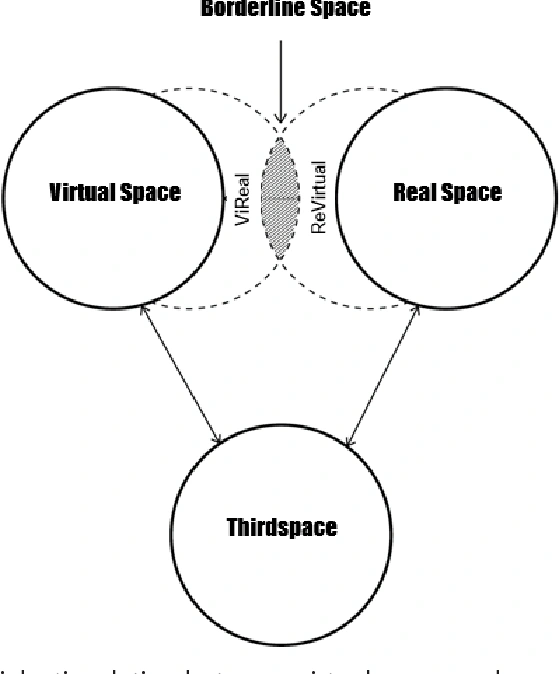
What we’re addicted to, then, is comfort, regulation, and co-presence. Ambience offers a kind of emotional steadying that’s comforting precisely because it is reliable: the rain will continue softly, the beats will loop, and the study desk remains serene.
In a culture where distraction is constant and genuine human connection can feel fragmented, these digital third places quietly tell us: you are not alone in this moment, you can breathe, and you can focus. And for many of us, that’s exactly the remedy we’ve been seeking.
['#AmbientVideo', '#LoFiBeats', '#StudyWithMe', '#CalmSpace', '#ThirdPlace']
