Murmu approves SHANTI Bill, opening India's nuclear sector to private players

Murmu approves SHANTI Bill, opening India's nuclear sector to private players
President Murmu signs SHANTI Bill, enabling private firms to build and operate nuclear plants while redefining liability norms.
President Droupadi Murmu granted assent to the Sustainable Harnessing and Advancement of Nuclear Energy for Transforming India (SHANTI) Bill, a landmark move in opening the civil nuclear sector to private participation.
The law subsumes multiple existing norms and permits private companies and joint ventures to build, own, operate, and decommission nuclear power plants under government licenses. It marks a major shift from a tightly controlled sector to one that allows broader private involvement.
Crucially, the SHANTI Bill repeals the Atomic Energy Act of 1962 and the Civil Liability for Nuclear Damage Act, 2010, positioning central authorities to oversee mining, enrichment, spent fuel reprocessing, waste management, and related high-level activities. Proponents say the change will streamline approvals, attract investment, and accelerate capacity addition, while supporters emphasize strengthened safety and accountability through licensing regimes.
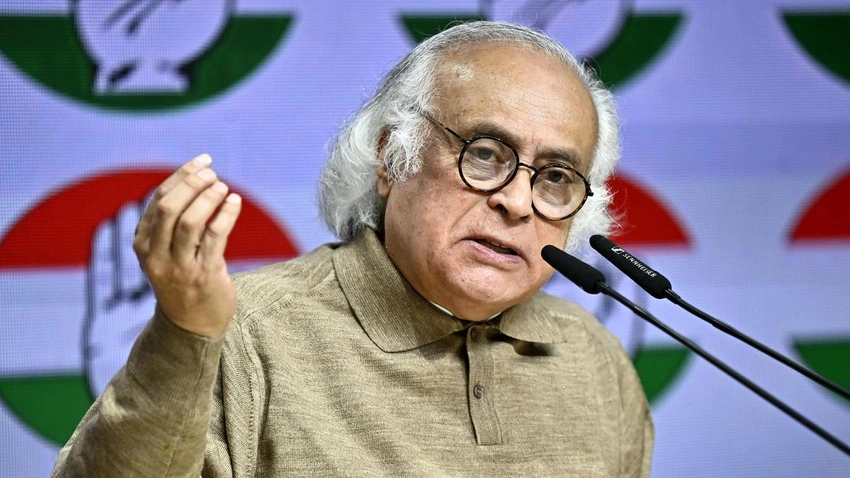
Critics, including opposition leaders, have argued that the bill was bulldozed through Parliament to benefit private and international interests and could dilute liability provisions. Congress leaders cited online chatter about strategic gains for private players, including connections drawn to U.S. norms and corporate groups.
Government officials counter that SHANTI is designed to accelerate India’s nuclear ambitions, enhance energy security, and bring modern governance to a sector long hampered by procedural bottlenecks. They note that while private participation is allowed, core functions like uranium mining and heavy-water production remain under central control or government entities, with strict licensing and oversight to safeguard safety and accountability.
