The DNA Dilemma: How Much Genetic Info Is Too Much?

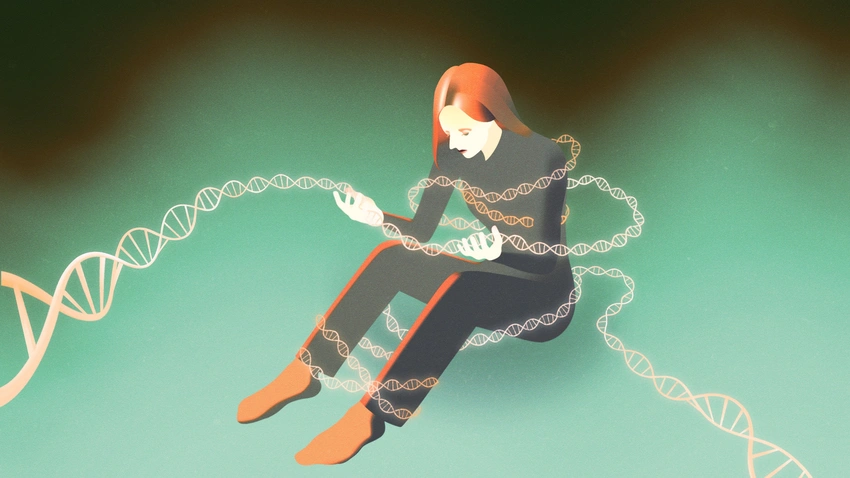
The DNA Dilemma: How Much Genetic Info Is Too Much?
Genetic testing offers incredible power to save lives, but the deluge of information can bring unforeseen complications. Are we ready for what our genes truly reveal?
Genetic testing has burst onto the scene, offering a tantalizing glimpse into our biological future. On one hand, the power to understand our predispositions for inherited maladies can be life-saving. Imagine catching a hereditary condition years before symptoms appear, allowing for proactive interventions, tailored treatments, or even preventative lifestyle changes.
The potential for personalized medicine, driven by our unique genetic blueprint, is nothing short of revolutionary.
However, this incredible power comes with a significant caveat: data on inherited maladies can save lives, but can also complicate them.
It's a double-edged sword, and navigating its sharp edges requires careful consideration.
Knowing your genetic risks for, say, a treatable cancer, might empower you.
But what about knowing you carry a gene for a devastating, untreatable condition with no cure in sight?
This is where the waters get murky.
Suddenly, that 'knowledge is power' mantra feels less comforting. Receiving such information can induce profound anxiety, create a psychological burden, and even alter life choices based on an uncertain future. It can strain family relationships, prompting difficult conversations about shared genetic heritage and potential implications for relatives who might prefer not to know.
We're talking about more than just medical data; we're talking about deeply personal, identity-shaping information that can weigh heavily on an individual's mental and emotional well-being.
Then there's the question of utility. What do we do with a genetic predisposition for a condition that has a low probability of manifesting, or one where environmental factors play a much larger role? Do we live in fear, or do we shrug it off?
The sheer volume of data, some of it still poorly understood, can overwhelm both individuals and healthcare providers. It's not just about getting the results; it's about understanding their nuanced implications and making informed decisions in a landscape that's constantly evolving.
Ultimately, genetic testing is a marvel of modern science, promising a healthier future for many.
But we must collectively grapple with the ethical, psychological, and practical challenges it presents.
How do we ensure that this powerful knowledge empowers us without inadvertently crippling us with information overload or existential dread?
It's a conversation we all need to engage in as this technology becomes increasingly accessible.
