How Snowboarding Is Scored At Milano Cortina 2026

How Snowboarding Is Scored At Milano Cortina 2026
A deep dive into the scoring criteria for halfpipe, slopestyle, and big air at Milano Cortina 2026, revealing what judges look for and how riders chase Olympic podiums.
As Cortina prepares to host the 2026 Winter Games, snowboarding judges rely on a clear scoring framework that covers halfpipe, slopestyle and big air.
Judges weigh riders on technical difficulty, amplitude, execution, line choice, and consistency, plus style and control through each run. The aim is to reward riders who push their limits while delivering clean, controlled runs under pressure.
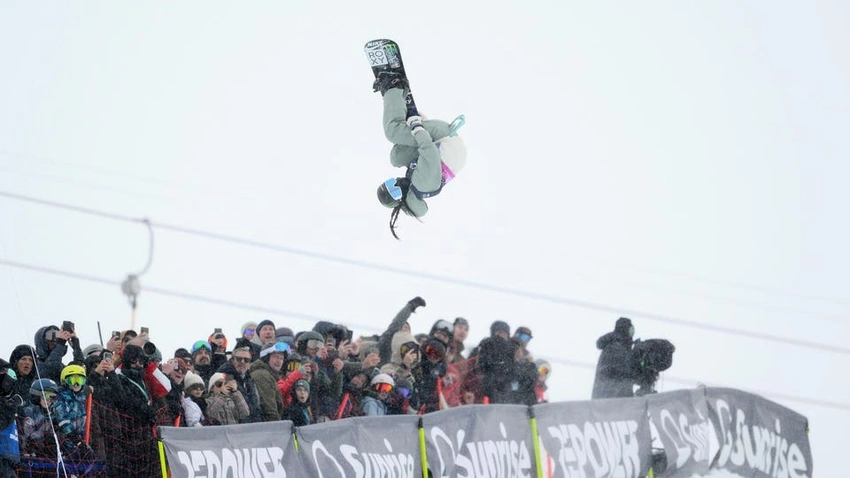
In halfpipe, amplitude and technical variety carry weight, with clean landings and smooth transitions earning higher marks and a premium on seamless transitions between tricks.
In slopestyle and big air, athletes are rewarded for a coherent run that mixes progression and variety, clean landings, precise takeoffs, and consistent finish to maximize scoring potential.
Technology and judges panels help maintain consistency, with video reviews used to standardize deductions and ensure fair treatment across heats and finals.
Fans will be watching top names such as Chloe Kim and Zoi Sadowski-Synnott as the field for slopestyle and big air tightens ahead of Cortina 2026, while seasoned halfpipe riders push for podium spots behind a rising wave of newcomers.
The scoring system for these events is designed to reward progression and consistency while emphasizing safety, creating a framework that could shape several pivotal moments at the Games. Expect tight battles and high-flying performances that will hinge on how well athletes balance risk, control, and creative expression.
