Gen Z's Gaze: Are Our Beloved Classics Secretly Problematic?

Gen Z's Gaze: Are Our Beloved Classics Secretly Problematic?
Gen Z is rewatching cinema's golden oldies, and their fresh eyes are spotting some surprising 'red flags'. Is it fair to judge classics by today's standards, or is this re-evaluation a necessary step?
There's a fascinating trend unfolding, one where a new generation, Gen Z, is diving deep into the cinematic archives. They're watching films many of us grew up revering, but with a gaze that's sharper, more critical, and undeniably modern. What's emerging from these viewings?
A growing discussion about whether our beloved characters, once seen as charming or heroic, might actually be, well, problematic.
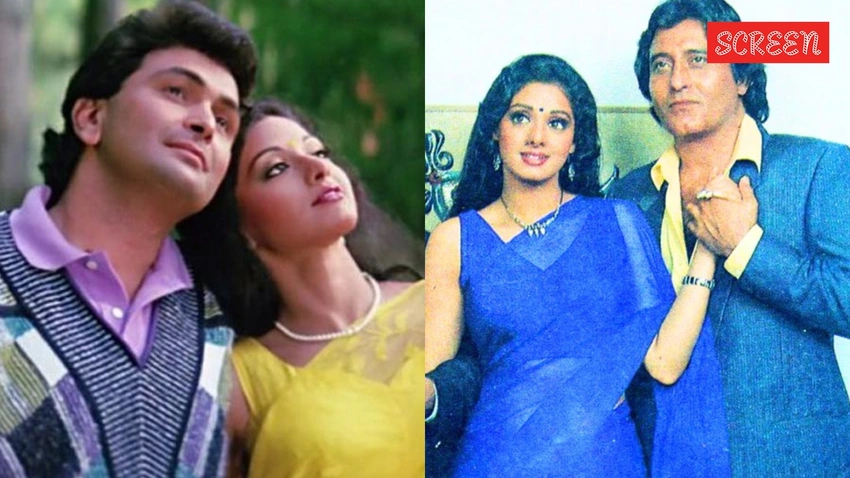
Take a film like Sridevi's Chandni . For many, it's a timeless romance, an ode to beauty, music, and dramatic love. Yet, when filtered through Gen Z's lens, some are pointing out what they call a 'Kabir Singh-coded red flag' in its narrative.
It suggests a pattern of behavior, possessiveness, intense jealousy, or a disregard for boundaries, that today's audiences are quick to identify as unhealthy, even toxic.
This isn't an isolated incident. From grand romantic gestures that now read as stalking to 'strong male leads' whose actions reek of chauvinism, the re-evaluation is widespread. It forces us to confront a tricky question: Can we still appreciate the artistry and entertainment value of these films while acknowledging elements that clash with contemporary societal values?
It highlights a generational shift in what constitutes acceptable behavior in relationships and personal interactions. What was once brushed off as 'passion' or 'quirky' is now dissected for its implications on consent, emotional manipulation, and power dynamics. The term 'Kabir Singh-coded' itself is telling, referencing a character widely discussed for his destructive masculinity, and now being applied retrospectively to older narratives.
The question isn't about cancelling these films; it's about acknowledging how our understanding of consent, gender roles, and healthy relationships has evolved. It's about recognizing that media, even fictional, plays a role in shaping perceptions. When Gen Z points out a 'red flag,' they're not just criticizing a character; they're reflecting a broader cultural shift towards greater accountability and emotional intelligence.
It's an opportunity for deeper engagement. It challenges us to watch with a more discerning eye, to understand the historical context, and to appreciate how far we've come in our understanding of human behavior and ethical storytelling. It's a chance to discuss, learn, and perhaps, even rethink the heroes and heroines we once celebrated unconditionally.
What Does This Mean for Future Classics?
As Gen Z continues to critically engage with classic cinema, what narratives will truly stand the test of time?
Will future generations view our current content with similar scrutiny? The conversation is far from over, reminding us that art, like society, is in constant flux, always open to re-interpretation and fresh perspectives.
Perhaps the truest classics are those that can withstand critical re-evaluation and still spark meaningful dialogue.
