India weighs options to keep presence at Chabahar amid sanctions

India weighs options to keep presence at Chabahar amid sanctions
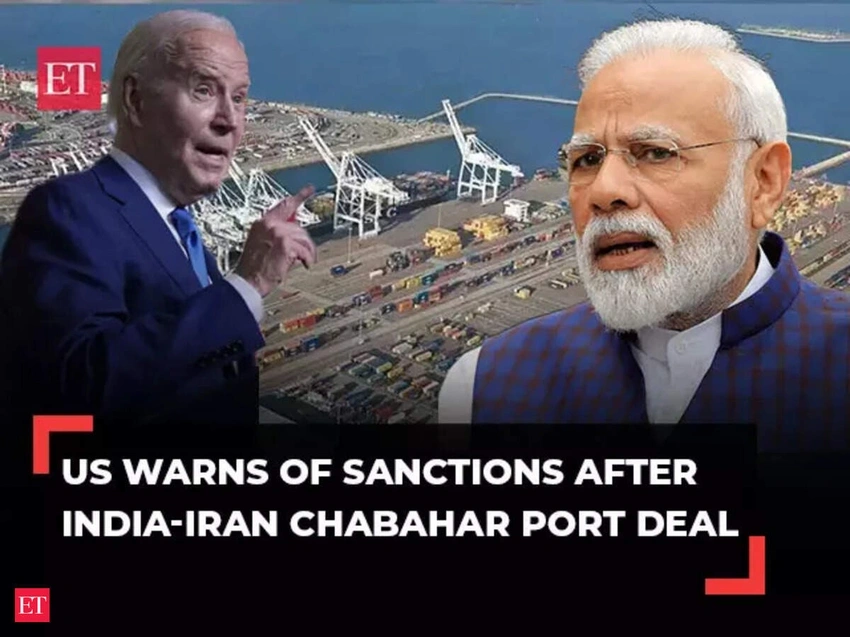
New Delhi seeks a middle path to retain a stake at Iran's Chabahar port while shielding government entities from punitive sanctions, as talks with Washington continue.
India is weighing options to retain its presence at the Chabahar port in Iran as Washington tightens its sanctions regime, stressing the port's strategic role in New Delhi's connectivity ambitions. The move aims to balance economic and security interests with the need to keep the facility functioning.
Central to the plan is the recent six-month exemption from US sanctions for the Chabahar port that was granted last year, with a conditional guidance valid until April 26, 2026. Indian officials want to ensure that government entities and personnel linked to the port do not become targets of sanctions, including individual penalties.
Under a 10-year agreement signed in May 2024 for long-term operations at the Shahid Beheshti terminal, India pledged about $120 million to upgrade the port’s equipment, including mobile harbour cranes, rail-mounted quay cranes, forklifts and pneumatic unloaders. As part of governance changes, all Indian government officials serving on the board of India Ports Global Ltd have resigned to reduce exposure.
New Delhi says it remains engaged with the US on this issue and the government continues to work out a workable arrangement, while continuing to view Chabahar as a critical link in its regional connectivity strategy.
The port, central to India's efforts to improve access to Afghanistan and Central Asia, remains a litmus test of how far Delhi is willing to go to protect strategic interests in a tense sanctions environment.
