The 'Woke' Backlash: Is It Genuine Critique or Just Online Theater?

The 'Woke' Backlash: Is It Genuine Critique or Just Online Theater?
From Christopher Nolan’s ‘The Odyssey’ to every big release, the internet’s 'woke' critics are out. But is it real analysis or just a quest for virality? Let’s talk.
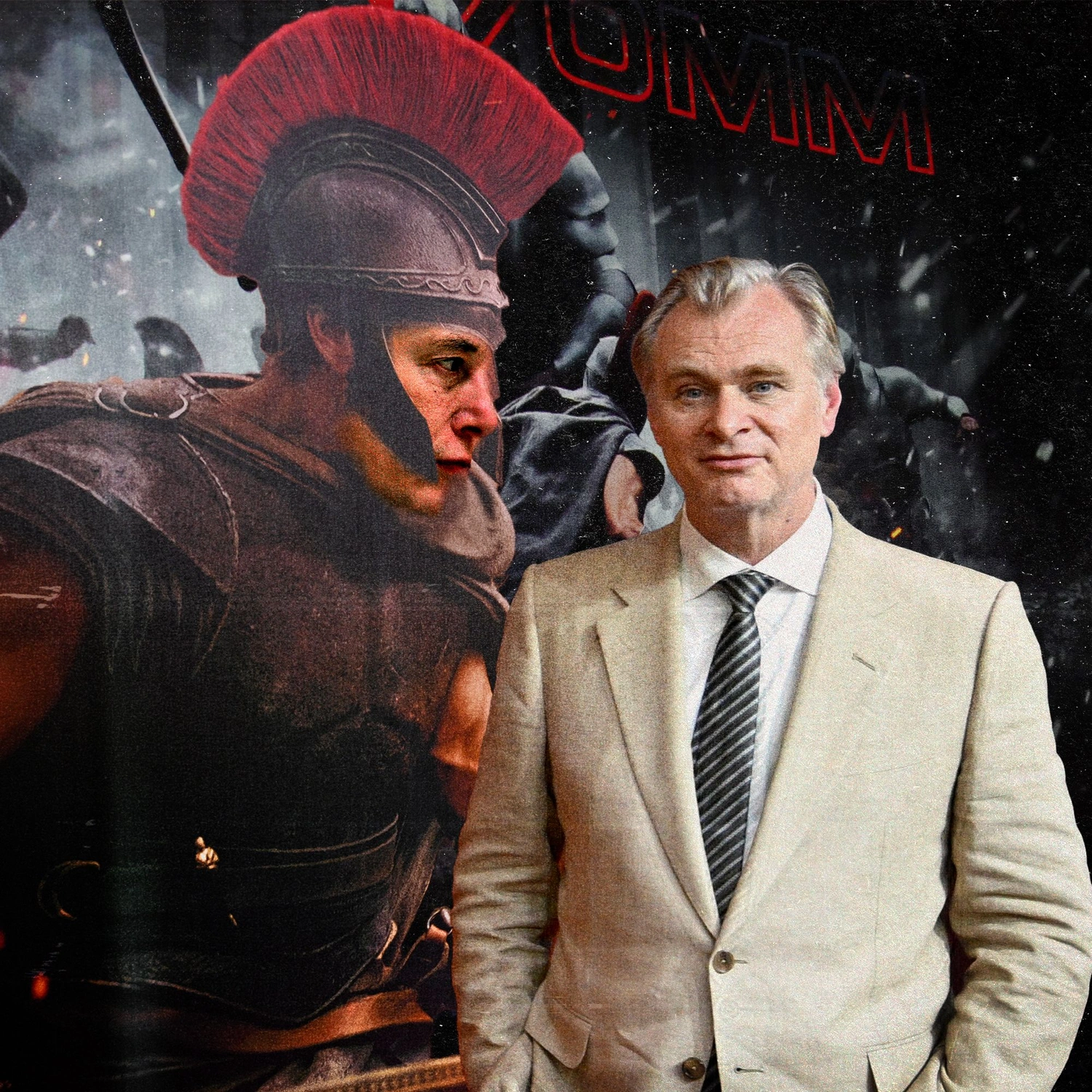
We've seen it play out countless times: a major film or series is announced, and almost immediately, a segment of the online discourse predicts its demise, labeling it 'woke.' The latest example? Christopher Nolan's highly anticipated epic, 'The Odyssey.' The chatter from certain corners of the internet, notably echoed by figures like Elon Musk and segments of the online right, was that this cinematic event, once branded as 'woke,' would crash and burn.
Only, it didn't.
What we witnessed instead was what many are now calling 'unprecedented levels of cope.' The film isn't just succeeding; it's thriving, leaving those who predicted its failure scrambling for explanations that don't involve admitting their initial judgment was… well, wrong. This isn't new.
It's a pattern that raises a crucial question about the nature of a lot of online media criticism today: Is it a genuine critique, or is it primarily internet performance art?
-
The Echo Chamber Effect: So much of this 'woke' criticism feels less like a thoughtful engagement with art and more like an echo chamber amplifying pre-existing biases. When a creator like Christopher Nolan, known for his unique vision, is targeted simply because a film might hint at themes beyond the narrow comfort zones of a vocal minority, it ceases to be about the art. It becomes about policing narratives.
-
Manufacturing Outrage: Let's be honest, outrage drives engagement. For many, accusing a film of being 'woke' is a quick, easy, and often effective way to generate clicks, shares, and a sense of belonging within a like-minded community.
It's a performance designed to provoke a reaction, not to foster a nuanced discussion about storytelling or artistic merit.
The goal isn't critique; it's controversy.
-
Missing the Point: Often, the very aspects being criticized as 'woke' are integral to character development, plot progression, or thematic depth. But in the rush to label and dismiss, these nuances are lost. Instead of analyzing why a character is written a certain way or what a particular theme explores, the immediate reaction is to reject it outright based on a buzzword.
When we see prominent voices, like Elon Musk, engaging in this, it only legitimizes the performative aspect. It creates a feedback loop where predicting failure based on a 'woke' label becomes a badge of honor, regardless of the actual artistic outcome.
The recent 'Odyssey' phenomenon is a stark reminder that a lot of what passes for media critique online is less about genuine artistic evaluation and more about curating an identity and performing for an audience.
It's less critical analysis and more internet spectacle, designed to garner attention rather than illuminate understanding.
And as the 'Odyssey' proves, sometimes, the art just speaks for itself, leaving the performers to deal with the silence.
