Parliament in Peril? Citizens Demand Debate, Not Disruption!

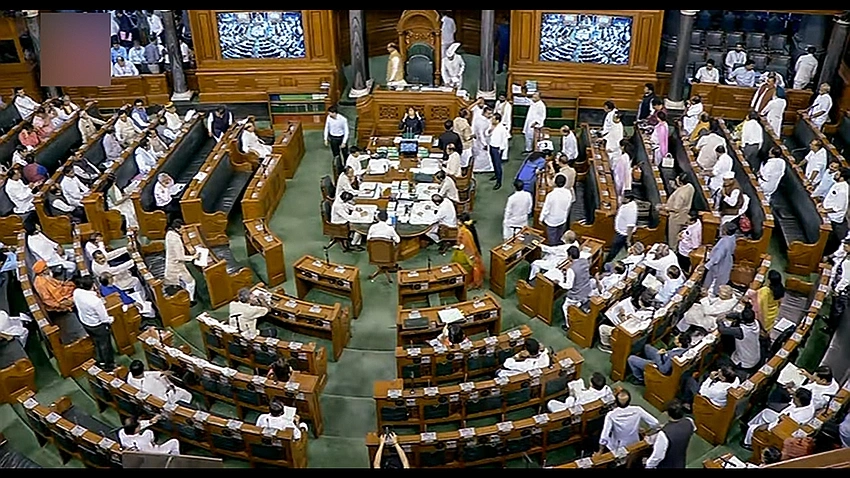
Parliament in Peril? Citizens Demand Debate, Not Disruption!
Frustration mounts as parliamentary disruptions overshadow critical national issues. Citizens call for constructive debate, accountability, and a focus on effective governance. #IndianPolitics
Recent parliamentary sessions have once again been marred by persistent disruptions, leading to widespread public disappointment. This ongoing trend prevents crucial discussions on matters directly impacting the lives of ordinary citizens, raising concerns about the efficacy of India's democratic institutions. As noted by Vinayak M.
Rayla from Aurangabad, Parliament is intended to be a vibrant forum for diverse viewpoints and constructive debate, not a stage for continuous standstills. The Opposition holds a vital role in questioning the government, ensuring transparency and accountability.
Equally, the government bears the responsibility to address these concerns and engage in meaningful dialogue.
When both sides fail to cooperate, public confidence inevitably wanes. Citizens expect their elected representatives to prioritize governance and national development over political confrontations, especially with numerous pressing national issues demanding immediate attention. For democracy to truly thrive and serve its people, effective functioning, respectful debate, and cooperation are paramount.
In a contrasting light, the Tamil Nadu government has offered an encouraging example by presenting an Agriculture Budget with a strong emphasis on promoting digital agriculture and increased funding. This initiative is highly commendable, particularly given the persistent challenges faced by Indian agriculture, which include both natural calamities and systemic issues.
Many regions still rely on manual labor and traditional tools, hindering progress and efficiency. The successful implementation of regulated markets, originally designed to protect farmers from exploitation by moneylenders and middlemen, also requires renewed focus and effectiveness.
Giving agriculture the high priority it deserves is not just about achieving food security for the nation; it is also crucial for boosting agricultural exports and empowering millions of farmers across the country.
Ultimately, the sentiments expressed by citizens underscore a collective desire for a more functional and purpose-driven political landscape.
Whether it's ensuring robust parliamentary debates or strategically investing in core sectors like agriculture, the call for accountable, cooperative, and development-focused governance echoes strongly.
