Lunar Selfies vs. Earth Realities: Are We Just Chasing Space Clout?

Lunar Selfies vs. Earth Realities: Are We Just Chasing Space Clout?
Artemis II is heading to the far side of the moon, but is this the ultimate main character energy for humanity or a billion-dollar distraction? Let’s talk about our lunar obsession.
The Ultimate Flex or a High-Stakes Distraction?
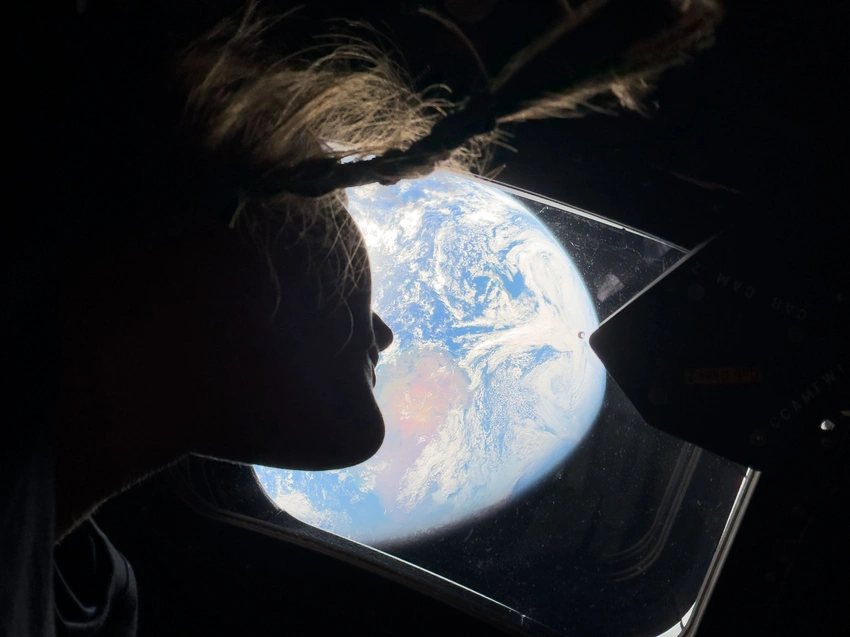
Right now, a small crew is hurtling toward the far side of the moon. They are snapping high-resolution photos of Earth that make our entire planet look like a fragile blue marble suspended in a void. It is, by all accounts, the ultimate flex for our species. This is peak main character energy. We are literally leaving the world behind to see what else is out there, testing heat shields and navigation systems while the rest of us are stuck in traffic or paying rent.
But as we scroll through these historic photos, a nagging question remains. Is this the pinnacle of human achievement, or are we just ignoring our problems at home for the world's most expensive photo op?
Grounded by the Mundane
There is something deeply humbling about the reality of space travel that the glossy PR photos don't always show. While the Artemis II crew is busy making history, they are also dealing with the same basic issues we face on Earth. Reports of the crew having to troubleshoot a malfunctioning toilet mid-flight serve as a hilarious and necessary reminder: you can be a lunar pioneer, but you still have to deal with plumbing.
This balance of high-tech glory and gritty reality is exactly why we find space so compelling. It represents our desire to be more than we are, even when we are tethered to the most basic human needs. We are testing systems that will eventually put boots on Mars, yet we are still figuring out how to keep the bathroom working in zero gravity.
Perspective or Escapism?
Critics often argue that the billions spent on lunar flybys could be better used to solve climate change or poverty. It is a fair point. Why look at the far side of the moon when we haven't even fixed the far side of our own cities? However, there is an argument for the perspective that only space provides.
Seeing Earth from the lunar distance reminds us that we are all on the same team. There are no borders visible from the Artemis capsule. If we can coordinate the monumental logistics of sending humans around the moon and back, surely we can coordinate a way to keep our own planet habitable.
Whether it is vanity or vision, space exploration forces us to look upward. We might be chasing clout on a galactic scale, but at least we are looking at the big picture. Sometimes, to solve the problems on the ground, you need to see them from a few hundred thousand miles away.
