NBA Stars: Tradable Assets or Enduring Loyalty? The Randle Reality Check

NBA Stars: Tradable Assets or Enduring Loyalty? The Randle Reality Check
The Julius Randle trade isn't just a transaction; it's a stark look at how the NBA's new financial rules are forcing teams to prioritize cap space over star power. Is loyalty dead?
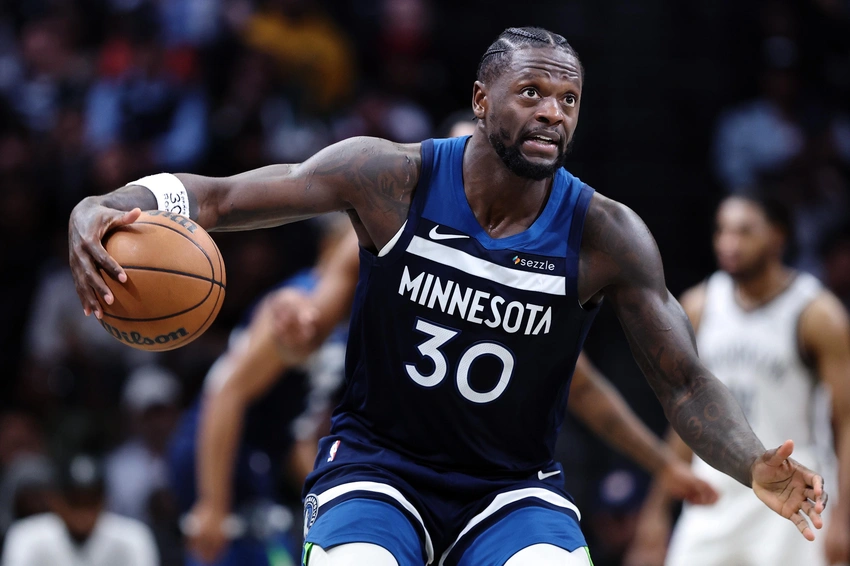
The Minnesota Timberwolves’ decision to offload multi-time All-Star Julius Randle and the No. 28 pick to the Brooklyn Nets, ultimately landing the No. 33 pick and sending Nic Claxton to the Bulls, isn’t just a routine draft-day move. It’s a seismic shift, a harsh reality check on what “star player” truly means in today’s NBA business.
It was primarily about the Wolves shedding his hefty $33.3 million contract. Why? To navigate the tightrope of the new Collective Bargaining Agreement (CBA) and avoid devastating second-apron penalties, granting them the financial flexibility to re-sign Ayo Dosunmu to a five-year, $112 million deal and utilize crucial mid-level exceptions. This is the definition of a 'salary dump' for a former All-Star.
Let's be real: loyalty, in its traditional sense, is becoming an endangered species in professional basketball.
Teams like the Timberwolves, despite Randle's regular-season production and All-Star nods, are forced to make cold, calculated decisions.
A player, even a top-tier one, becomes a disposable asset when the salary cap handcuffs tighten.
It's not personal; it's purely business.
It's a stark observation of the environment the league itself has created.
The new CBA, designed to curb superteams and create parity, inadvertently puts even more pressure on teams to be ruthless. Holding onto a beloved star, if their contract prevents vital roster construction or incurs punitive luxury taxes, isn't just a sentimental choice; it's a potentially crippling financial mistake.
Fans might yearn for the days of one-team legends, but the economic architecture of the league simply doesn't support that fantasy for most franchises.
So, are star players just tradable assets? The Randle move screams yes. He was a cornerstone, then suddenly, the need for cap space overshadowed his on-court value.
The Nets, on the other hand, are betting they can rehabilitate his trade value, effectively treating him as a commodity to be acquired low and potentially sold high. This dynamic puts players in a constant state of flux, always aware that their next team might be just a phone call away.
Does loyalty still matter? It does, but it's redefined. Loyalty might now look like a player accepting a slightly lower deal to stay with a winning core, or a team's willingness to overpay a beloved veteran who is past their prime.
However, even those instances are increasingly rare and met with skepticism from the business side.
The hard truth is that the modern NBA is a financial chess match, and every player, no matter their star power, is a piece that can be moved, traded, or sacrificed to achieve the ultimate goal: a championship within the constraints of the salary cap. The Randle trade is just the latest, loudest siren call reminding us of this harsh reality.
