Taylor Swift Trademarks Voice and Likeness to Fight AI Misuse

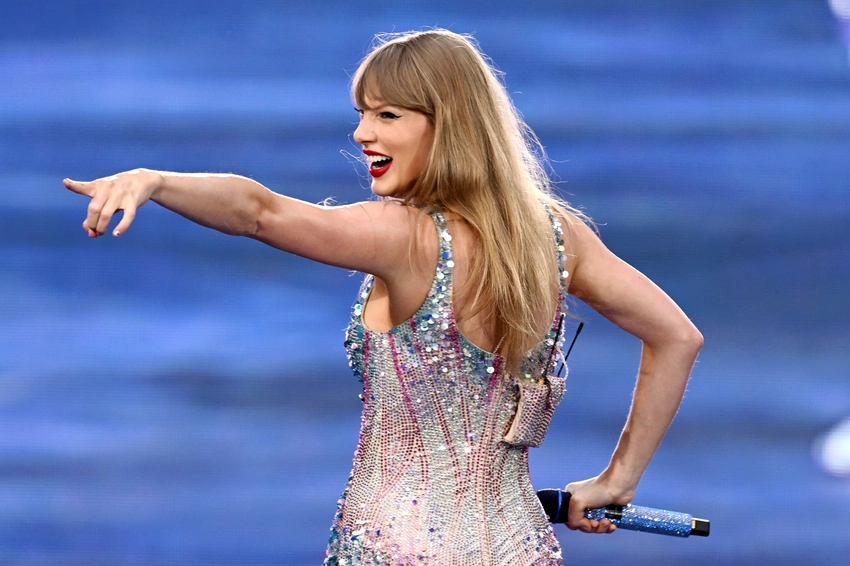
Taylor Swift Trademarks Voice and Likeness to Fight AI Misuse
Taylor Swift files trademarks for her voice and likeness to curb AI misuse, signaling a bold move in protecting celebrity identity in the digital age.
Taylor Swift is stepping up her legal protection in the digital age by filing trademarks to guard her voice and likeness against AI-misuse. Swift's team reportedly submitted three trademark applications with the U.S. Patent and Trademark Office, signaling a proactive strategy to safeguard her identity as AI technologies grow more capable of mimicking public figures. The filings include two sound marks covering her voice and a separate mark aimed at protecting her likeness, illustrating a dual approach to controlling both audio and visual representations of the star.
This move follows a broader industry conversation about the ethical and legal boundaries of AI-generated content and impersonation. By registering voice and image marks, Swift would, if granted, potentially restrict others from commercially exploiting her vocal performances or her recognizable image without consent. In recent years, other high-profile figures, such as actor Matthew McConaughey, have pursued similar protections, signaling a trend where celebrities attempt to preemptively guard their brand and identity from automated misuse.
Observers say the strategy could prompt tighter controls on how AI companies license voice data and develop synthetic media, while also raising questions about enforceability across platforms and jurisdictions. Supporters argue that such protections are increasingly necessary as deepfake technologies become more accessible, while critics worry about potential spillover effects on innovation and creative experimentation. As the legal landscape evolves, industry watchers will be watching closely to see how courts interpret trademark protections applied to voice and likeness in the context of AI. Swift’s move underscores a growing priority for artists to actively manage their intellectual property in a rapidly changing digital ecosystem.
