H-1B Renewals Hit Delays: Indian Tech Workers Stranded as Appointments Slip to 2026

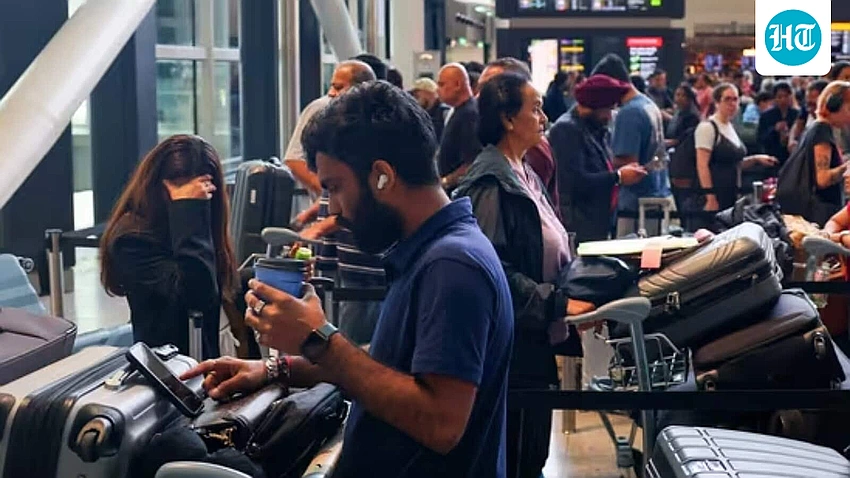
H-1B Renewals Hit Delays: Indian Tech Workers Stranded as Appointments Slip to 2026
Indian H-1B visa renewals face mass delays as interviews shift into 2026-27, leaving workers stranded and prompting corporate caution.
Indian H-1B visa renewals are facing widespread disruption as new social media vetting rules and backlogs push interviews far beyond their original dates. Interviews that were slated for December have been moved to March next year in many cases, and some appointments are already being rescheduled into mid- to late-2026, with a few even landing in 2027. The ripple effect is being felt across the tech sector, where many Indian professionals had traveled home for renewals only to find the process grinding to a halt.
Immigration lawyers say this is the biggest mess they have seen, noting that India accounts for a large share of H-1B holders. They highlight that the rescheduling coincides with a broader push for more thorough vetting of visa applications, a change officials describe as necessary to protect national security. The delays are especially painful as employers try to navigate uncertain leave policies and keep project timelines intact.
The back-and-forth has also led to creative, communal responses on social media, with some workers canceling in-demand December appointments to free slots for others stuck in India. The shift comes amid a surge of applications and heightened scrutiny for H-1B, H-4, F, J, and M visas, according to industry observers.
For those who had returned to India expecting to renew and continue working in the United States, the new schedules mean longer separations from families and peers, potential gaps in employment, and elevated anxiety about job security in a competitive tech market. While the U.S. State Department emphasizes that the vetting process prioritizes safety and public safety, the practical outcome is a protracted wait that affects both workers and their employers.
Experts warn that extended delays could spur talent retention challenges for U.S. tech firms and complicate workforce planning, especially for teams dependent on timely international mobility. As the window for renewal extends, workers and companies are left weighing temporary options, including remote work arrangements and alternate visa routes, while hoping for more predictable processing in the months ahead.
