India's Vivek Aggarwal Named FATF Vice-President: A Global Stride!

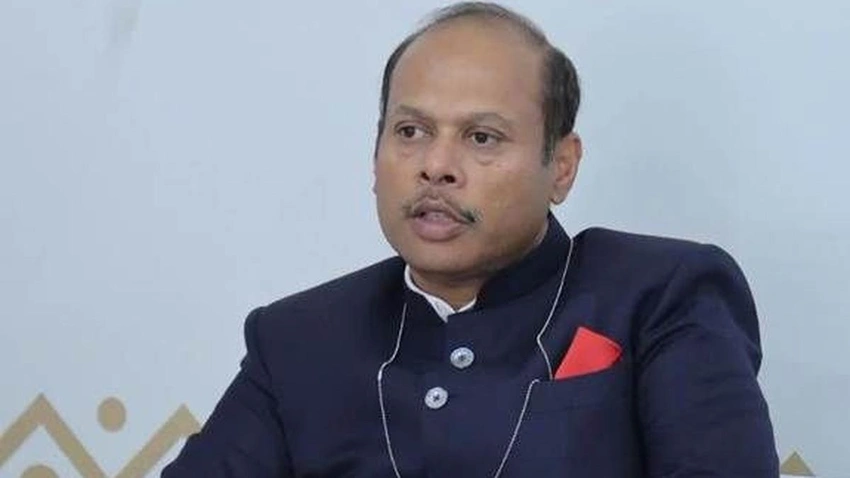
India's Vivek Aggarwal Named FATF Vice-President: A Global Stride!
India makes a significant mark on the global stage! Vivek Aggarwal appointed FATF Vice-President, boosting international efforts against illicit financial flows. #FATF #GlobalFinance
India has achieved a significant diplomatic and financial milestone with the appointment of Vivek Aggarwal, currently serving as the Culture Ministry Secretary, as the next Vice-President of the Financial Action Task Force (FATF). This prestigious role will see Mr. Aggarwal serving for the 2026-2027 term, succeeding Giles Thomson, who is set to take over the position from July 1, 2025.
The announcement came from the FATF Plenary, highlighting Mr. Aggarwal's selection as a crucial step for India's growing influence in global financial governance. His appointment is expected to bolster international cooperation in combating critical issues such as anti-money laundering (AML), counter-terrorist financing (CTF), and the broader fight against illicit financial flows worldwide.
Mr. Aggarwal brings a wealth of experience to this international body. He has previously led India's delegation to the FATF, playing a pivotal role in the country's engagement with the watchdog. Notably, he spearheaded a multidisciplinary team during India’s own FATF Mutual Evaluation process, giving him an intimate understanding of the organization's mechanisms and objectives.
This development has been widely celebrated, with Revenue Secretary Shri Arvind Shrivastava hailing the election as a "proud milestone" for India. The appointment underscores India's commitment to strengthening global financial integrity and its rising prominence in shaping international economic policies and security frameworks. It signifies not just an individual achievement, but a recognition of India's consistent efforts and expertise in tackling complex financial crimes on a global scale.
The Financial Action Task Force is an intergovernmental organization founded in 1989 on the initiative of the G7 to develop policies to combat money laundering. In 2001, its mandate was extended to include terrorist financing. Having an Indian representative in such a high-ranking position is expected to give India a stronger voice in setting international standards and ensuring effective implementation of measures against financial crimes, further solidifying its position as a responsible global player.
