The Silent Role of Skin Inflammation in Persistent Acne

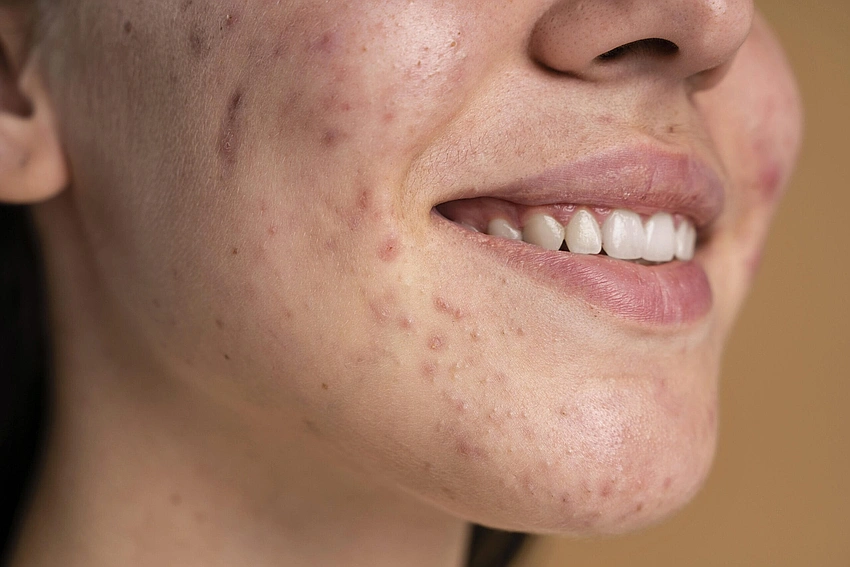
Acne is commonly viewed as a surface-level problem caused by clogged pores or excess oil. While these factors certainly play a role, modern dermatological research shows that inflammation is one of the most important and often overlooked drivers of persistent breakouts. Inflammation can exist beneath the skin long before a visible pimple appears, silently influencing how severe acne becomes and how long it lasts.
When the skin experiences irritation or imbalance, the immune system responds by sending inflammatory signals to the affected area. This response causes redness, swelling, and the formation of acne lesions. Supporting the skin’s ability to regulate inflammation is therefore essential for maintaining clear skin. Dermatologists frequently recommend balancing treatment with calming ingredients such as those found in a dark spot correcting serum 🔗, which can help address both post-acne marks and inflammation-related discoloration.
Understanding the role of inflammation helps explain why some breakouts become severe while others heal quickly.
What Inflammation Really Means for the Skin
Inflammation is the body’s natural defense mechanism. When the skin detects bacteria, clogged pores, or damage, it activates immune responses designed to repair the area.
This response includes several biological processes:
• Increased blood flow to the affected area
• Activation of immune cells
• Release of inflammatory chemicals
• Swelling and redness around clogged pores
While inflammation is necessary for healing, excessive or prolonged inflammation can worsen acne and slow down recovery.
The Early Stages of Acne Formation
Long before a pimple appears on the surface, several microscopic changes occur inside the pore. These changes include excess sebum production, buildup of dead skin cells, and bacterial activity.
As the pore becomes blocked, pressure builds beneath the skin. The immune system detects this blockage and begins to react, triggering inflammation.
At this stage, the breakout may still be invisible. However, the inflammatory process has already begun. If the inflammation continues unchecked, it eventually forms visible acne such as whiteheads, blackheads, or painful cysts.
Why Some Pimples Become Red and Painful
Not all pimples are the same. Some remain small and disappear quickly, while others become swollen and painful. The difference often lies in the level of inflammation involved.
When inflammation spreads beyond the pore into surrounding skin tissue, it creates more noticeable symptoms such as:
• Redness
• Swelling
• Tenderness
• Warmth around the area
These inflammatory breakouts are more likely to lead to post-acne marks or scars because the deeper skin layers are affected.
How Skin Barrier Damage Increases Inflammation
The skin barrier acts as the first line of defense against environmental stress, bacteria, and irritants. When this barrier becomes weakened, the skin becomes more vulnerable to inflammation.
Several common skincare habits can damage the skin barrier:
• Over-exfoliating
• Using harsh cleansers
• Applying strong acne treatments too frequently
• Skipping moisturizer
• Excessive sun exposure
When the barrier is compromised, irritants penetrate the skin more easily, triggering inflammatory responses that worsen acne.
Maintaining a healthy skin barrier helps prevent these reactions and allows the skin to recover more efficiently.
Environmental Factors That Trigger Skin Inflammation
Daily environmental exposure also contributes to acne-related inflammation. Pollution particles, UV radiation, and temperature changes can stress the skin and disrupt its natural balance.
Common environmental triggers include:
• Air pollution
• High humidity
• Sudden weather changes
• Prolonged sun exposure
• Lack of proper skincare protection
These factors can increase oxidative stress in the skin, which further amplifies inflammatory responses.
Protecting the skin from these triggers helps reduce the frequency and severity of breakouts.
Scientific Research on Acne and Inflammation
Research continues to highlight the role of inflammation in acne development.
According to the National Institutes of Health, inflammation is now recognized as a key factor in all stages of acne development, including the earliest stages before visible lesions appear.
This insight has changed how dermatologists approach acne treatment. Instead of focusing only on oil control, modern strategies emphasize calming inflammation and supporting the skin barrier.
How Balanced Skincare Helps Reduce Inflammation
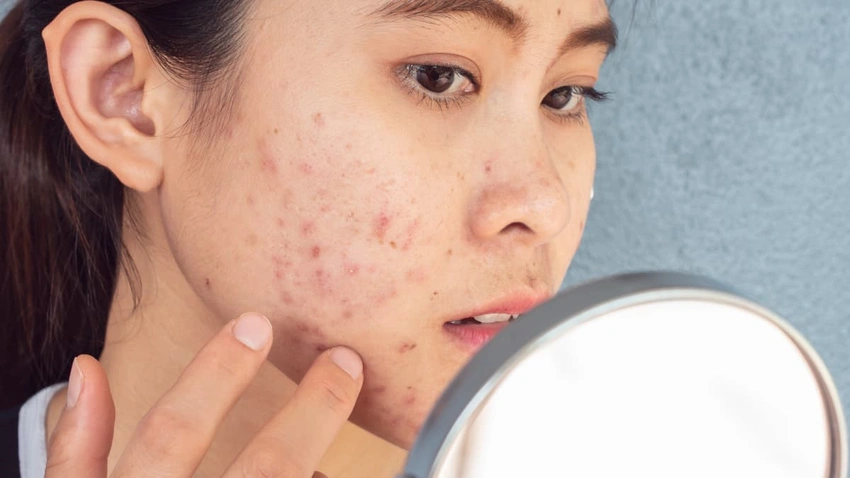
Reducing skin inflammation requires a skincare routine that focuses on both treatment and protection. Aggressive treatments may remove oil temporarily but can worsen inflammation if they damage the skin barrier.
A balanced routine typically includes:
Gentle cleansing
Helps remove dirt and excess oil without stripping the skin.
Targeted treatment
Addresses active breakouts while minimizing irritation.
Hydration and barrier repair
Keeps the skin barrier strong and reduces sensitivity.
Protection from environmental stress
Prevents external triggers that can worsen inflammation.
When these steps work together, the skin becomes less reactive and breakouts heal more efficiently.
Why Acne Healing Takes Time
Many people expect acne treatments to work immediately. However, the skin’s healing process takes time because inflammation must gradually subside before the skin can fully repair itself.
The skin typically follows a renewal cycle that lasts around four weeks. During this time, damaged skin cells are replaced with new ones and inflammation slowly decreases.
Consistency is therefore one of the most important factors in successful acne treatment.
Rushing the process with overly strong products can interrupt healing and lead to further irritation.
Preventing Post-Acne Marks
One of the most frustrating aspects of inflammatory acne is the dark spots or marks that remain after a pimple heals. These marks, known as post-inflammatory hyperpigmentation, occur when the skin produces excess melanin in response to inflammation.
Preventing these marks involves minimizing inflammation during the breakout stage and supporting skin recovery afterward.
Protecting healing pimples from further irritation can significantly reduce the risk of long-lasting marks.
Conclusion
Inflammation is one of the most powerful forces behind persistent acne. While clogged pores and excess oil contribute to breakouts, it is the inflammatory response that determines how severe a pimple becomes and how long it takes to heal.
By focusing on calming the skin, protecting the barrier, and reducing environmental stress, individuals can significantly improve their acne management strategies.
Protective solutions such as hydrocolloid clear patch 🔗 can also support the healing process by shielding pimples from bacteria and preventing picking, which often worsens inflammation.
Understanding the role of inflammation allows people to approach acne treatment in a more balanced and effective way.
Call To Action
If you want to build a skincare routine that focuses on reducing inflammation and supporting long-term skin health, explore the carefully developed skincare solutions from World of California 🔗. Their approach emphasizes balanced care that helps cleanse, treat, and protect acne-prone skin while maintaining the skin barrier.
FAQs
1. Why is inflammation important in acne development?
Inflammation is the body’s immune response to clogged pores and bacteria. It causes redness, swelling, and the formation of visible pimples.
2. Can inflammation exist before a pimple appears?
Yes. Research shows that inflammatory processes often begin beneath the skin before visible acne forms.
3. How can skincare reduce inflammation?
Using gentle cleansers, calming ingredients, and barrier-supporting products can help minimize inflammatory responses.
4. Why do some pimples leave dark marks?
Post-acne marks occur when inflammation triggers excess melanin production in the skin.
5. Are acne patches useful for inflammatory pimples?
Yes. Hydrocolloid patches can protect pimples from irritation and help absorb fluid, supporting faster healing.
