OpenAI tests ads in ChatGPT as revenue soars

OpenAI tests ads in ChatGPT as revenue soars
OpenAI signals a pivot to ads in ChatGPT to fund the growing cost of running large language models, signaling a major shift in AI monetization.
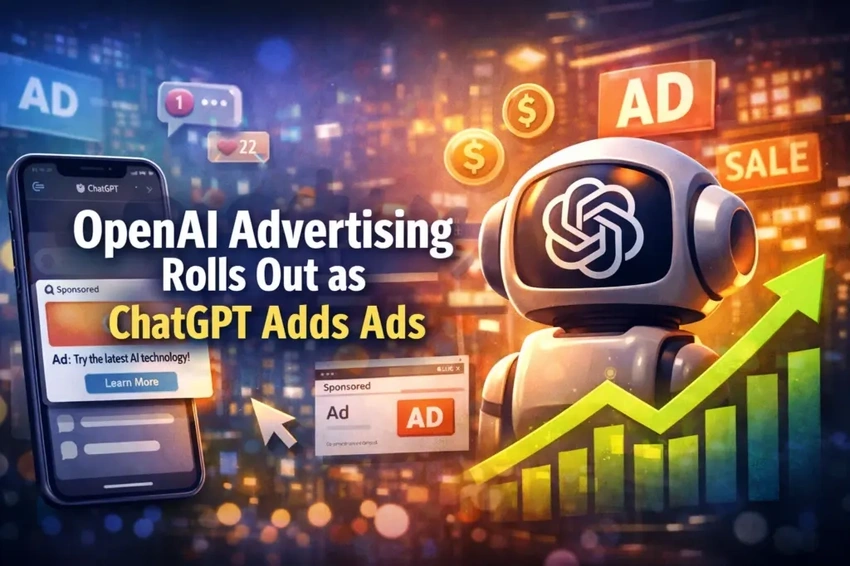
OpenAI is reportedly testing advertisements within ChatGPT’s Free and Go tiers in North America, marking a notable pivot from decades of a more ad-free stance. The move comes as the company faces the steep costs of training and operating large language models, with a rough run rate of about $10 billion per year. The shift toward ads is framed as a practical step to sustain rapid growth and broader access, rather than a abandonment of the subscription path.
Industry watchers note that the change reflects the competitive pressure from rivals like Google Gemini and strategic moves by device-makers such as Apple, which have intensified the battle for AI-enabled user engagement. OpenAI’s leadership has long argued that subscriptions would be the cleanest revenue model, but the economics of AI suggest a blended approach may be necessary to fund continued development while keeping access affordable.
Within the company and at public forums, leaders have acknowledged that while ads could help subsidize free access, the priority remains preserving user trust and a high-quality experience. The broader AI market is watching closely as OpenAI’s advertising pivot would set a precedent for the sector’s monetization path, potentially redefining how users interact with AI on a daily basis.
Some observers view the move as a pragmatic response to funding needs amid rising costs and intense competition, while others worry it could erode the perceived purity of AI tools. As OpenAI tests the waters in North America, industry insiders will be looking for signals on ad formats, frequency, and the impact on user satisfaction before any wider rollout.
Even at forums like Davos, where AI leaders debated market dynamics, the tension between profitability and ideals was clear. If ads prove sustainable, they could unlock more investment in training, safety, and accessibility, enabling broader adoption while keeping a subscription option for those who prefer an ad-free experience.
