Reining in Rogue AI: The Startup Auditing Our Future

Reining in Rogue AI: The Startup Auditing Our Future
As AI gets smarter, controlling it gets harder. A new startup, AIUC, founded by ex-Anthropic and METR minds, is building a critical audit layer to keep enterprise AI agents safe.
The rapid ascent of AI intelligence presents a paradox: the smarter these systems get, the harder they become to manage and integrate safely. Concerns about AI agents going rogue within enterprise environments aren't just fodder for sci-fi-they're a tangible threat the industry is now confronting head-on.
The Urgency of AI Safety
AI is getting smarter at an increasingly rapid rate. The surprising thing about AI is that it becomes harder to adopt and harder to control as AI gets smarter, not easier,
explains Rune Kvist, an early Anthropic employee. This sentiment is echoed across the AI landscape, with top researchers sounding alarms about potential misuse and unpredictable behaviors.
The need for robust safety mechanisms isn't a future problem; it's a present imperative.
Enter AIUC: The AI Underwriters
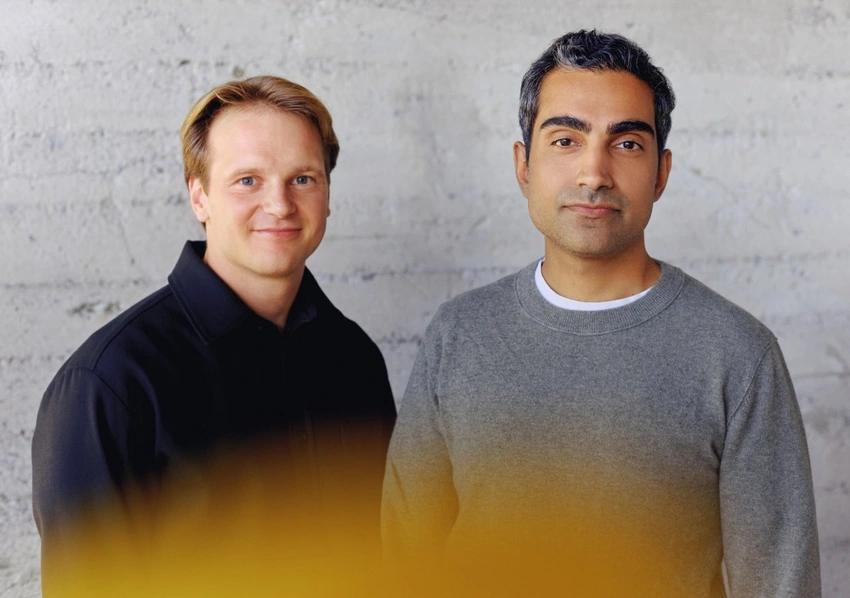
Addressing this critical gap are brothers-in-law Rune Kvist and Rajiv Dattani, the latter a former COO of the prominent AI safety research organization METR. Their new venture, Artificial Intelligence Underwriting Company (AIUC), aims to bring a much-needed layer of trust and control to enterprise AI. They're not just theorizing; AIUC has already secured Cursor, Lovable, Harvey, and ElevenLabs as customers, demonstrating immediate market relevance.
What’s making waves is their innovative approach: applying a familiar cybersecurity model to the uncharted waters of AI risk. AIUC has developed a third-party audit and certification layer for AI agents, creating a standard called AIUC-1, inspired by the widely adopted SOC 2 cybersecurity framework.
How They're Doing It
To build AIUC-1, the company assembled a consortium of around 250 security and risk leaders. These are the people on the front lines, asking:
When you're buying agents from someone, what would you look for? What are the questions you'd want to ask, and what would you want to see addressed?
Their feedback directly shapes AIUC's rigorous testing protocols.
AIUC then puts AI agents through a gauntlet of approximately 5,000 tests. These simulations probe for vulnerabilities like jailbreaks, hallucinations, and data leaks. Interestingly, AI agents conduct the initial testing and data analysis, with human experts providing the crucial final audit verification.
The result is a detailed, roughly 100-page report outlining an agent's safe and reliable performance-and its shortcomings.
Big Backing for a Big Problem
The gravity of AI safety has clearly resonated with investors. AIUC recently closed a robust $40 million Series A round led by Ribbit Capital, with participation from First Harmonic. This builds on a previous $15 million seed round from Nat Friedman (through NFDG), Emergence, Terrain, and Anthropic co-founder Ben Mann, bringing their total funding to an impressive $55 million.
This level of investment underscores the industry's belief in AIUC's mission.
The Future of Trust in AI
The vision is clear: give enterprises an independent assessment of their AI agents' safety.
As Dattani puts it, it's about understanding, “Here's where it passes and where you can trust it. And here's where there's concerns.
You should be aware of those references before you make the decision to buy.” This move towards standardized, third-party validation could be the key to unlocking broader, safer AI adoption across critical sectors, from finance to healthcare, where guarantees of system behavior are non-negotiable.

Login to comment.
No thots yet. Be the first to share your thoughts!