Centre Tweaks Fuel Export Taxes: Diesel & Jet Fuel Levy Hiked, Petrol Cut!

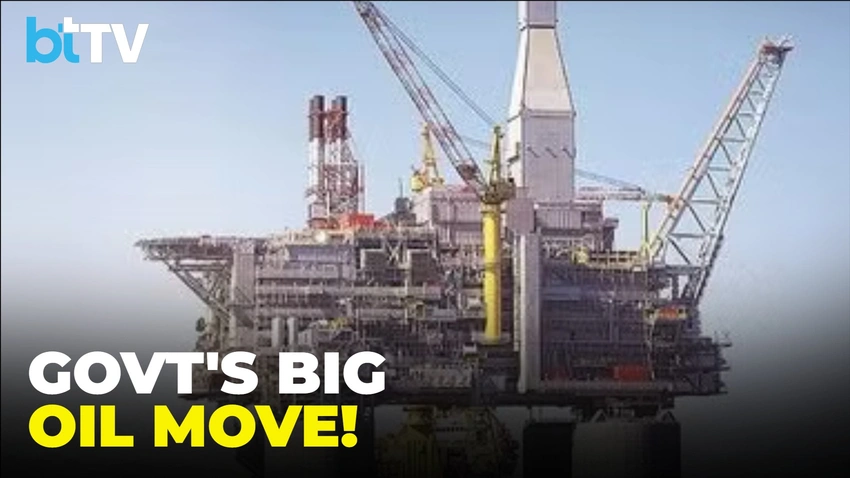
Centre Tweaks Fuel Export Taxes: Diesel & Jet Fuel Levy Hiked, Petrol Cut!
India's government revises fuel export taxes! Windfall tax on diesel & jet fuel rises, while petrol export levy drops. What does this mean for energy prices and oil giants? Find out!
The Indian government has once again adjusted its windfall tax on crude oil, diesel, and aviation turbine fuel (ATF), implementing changes that will affect exports. This latest revision sees an increase in the special additional excise duty (SAED), commonly known as the windfall tax, on diesel and jet fuel, while simultaneously reducing the levy on petrol exports.
This move comes as part of the government's strategy to navigate the volatile global energy market. The primary goals behind these adjustments are to cushion the impact of rising crude oil prices on the domestic economy and to safeguard the stability of domestic fuel supplies. Importantly, the Ministry has confirmed that there will be no alteration to the existing duty rates for petrol and diesel designated for domestic consumption, meaning consumers at home should not see an immediate change in prices.
Gaurang Shah, Senior VP at Geojit Investments, provided insights into the government's ongoing approach. He suggests that these tax adjustments are a continuous effort by the administration to manage inflation and control energy costs effectively. This flexibility allows the government to respond dynamically to international oil price fluctuations.
Shah also highlighted a significant risk factor that could potentially destabilize global energy markets: any escalation in the Red Sea region. Such developments have the potential to severely disrupt global energy supplies, which in turn could lead to a sharp increase in crude oil prices, challenging the government's efforts to maintain price stability.
Despite these potential headwinds, Geojit Investments maintains a positive long-term outlook on key players in the oil and gas sector, including ONGC, GAIL, HPCL, BPCL, and IOC. This optimism is based on the expectation of sustained policy support from the government and a stable demand environment for the sector's products.
