US-Iran Tensions Push Fuel Prices Higher as Surcharges Hit Businesses

US-Iran Tensions Push Fuel Prices Higher as Surcharges Hit Businesses
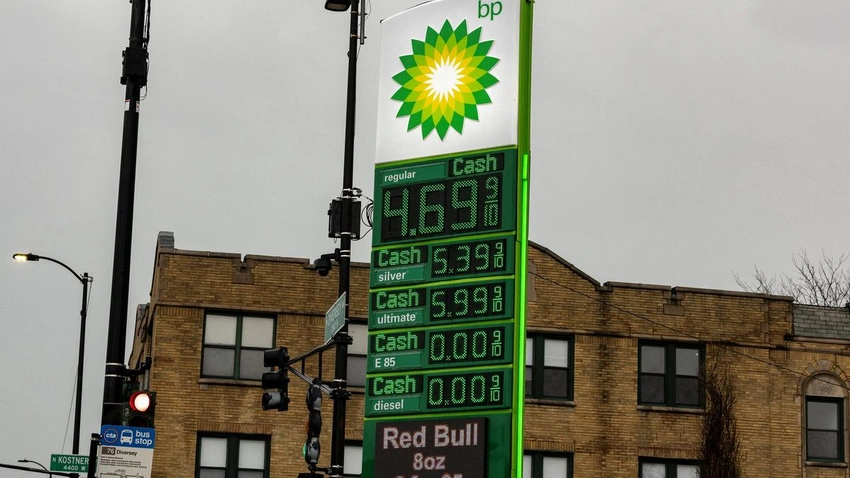
Escalating US-Iran tensions push fuel costs up nationwide, with petrol climbing by over a dollar and diesel rising sharply, prompting surcharges from airlines and retailers.
Rising political frictions in the Middle East are spilling into everyday life in the United States as energy markets react to the widening conflict between the US and Iran. Petrol prices have climbed by more than a dollar at many stations, while diesel is rising even faster, contributing to higher costs for commuters, truckers, and businesses alike.\n\nAs the price signals ripple through the supply chain, companies big and small are reacting with surcharges. Amazon and several airlines have announced temporary fees or pass-through charges to offset higher fuel bills, a move that could lift prices on everything from package deliveries to air travel. Industry analysts warn that the effect could extend beyond petrol stations, affecting freight rates, retail costs, and consumer wallets as businesses recalibrate plans.\n\nExperts say the current price shock reflects both the risk premium investors demand and broader supply constraints tied to Middle East risk. With oil futures fluctuating and refinery margins under pressure, consumers should brace for continued volatility in pump prices in the coming weeks. Policymakers may face questions about fuel relief measures, strategic reserves, or targeted support for hard-hit sectors if the conflict drags on.\n\nAcross the globe, energy markets are tightening on the back of the conflict, with observers noting price rises in other regions as well. Still, the immediate effect in the United States is the most visible, with households and businesses watching each fuel-up closely as surcharges add to the sticker price.\n\nBottom line: even a short flare-up in tensions can send ripples across the economy, from drivers at the pump to fleets moving goods. Consumers may feel squeezed as gas bills rise and delivery prices follow, while the business community weighs the costs of keeping shelves stocked and services affordable during uncertain times.
