Elon Musk Loses Blockbuster AI Lawsuit Against OpenAI

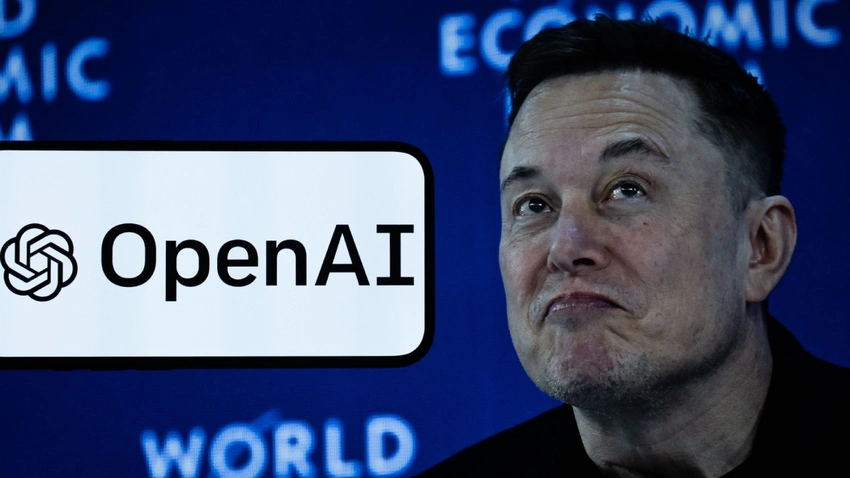
Elon Musk Loses Blockbuster AI Lawsuit Against OpenAI
Jury finds Musk filed too late in claim against OpenAI, Altman, and Brockman; OpenAI and Microsoft celebrate the verdict as Musk plans an appeal.
In a high-profile tech showdown, Elon Musk lost a blockbuster lawsuit against OpenAI and its co-founders after a jury ruled that he waited too long to file suit. The three-week trial centered on Musk’s accusations that OpenAI breached its nonprofit duties by creating a for-profit wing and that the founders unjustly enriched themselves as investors and leaders. The jury’s decision narrowly focuses on procedural timing rather than the merits of Musk’s broader claims, marking a significant milestone in the ongoing AI industry dispute."
The verdict found that Musk’s breach of contract claim was time-barred because he failed to establish he was unaware of OpenAI’s shift toward a for-profit model before 2021, and the unjust enrichment claim was equally out of time under a two-year statute of limitations. In practical terms, the ruling allows OpenAI to continue its leadership in AI development and collaboration with major partners like Microsoft without the immediate threat of further litigation on these claims.
OpenAI and Microsoft welcomed the outcome, framing the decision as validation of their business model and ongoing AI competition. Musk, meanwhile, signaled plans to appeal the decision, indicating that he believes there are lawful avenues to pursue his concerns about governance and the nonprofit-for-profit dynamic at OpenAI. The judge signaled that future legal actions, including potential antitrust claims against OpenAI and Microsoft, could proceed in separate proceedings, though a second trial would be unlikely given competition dynamics in the AI field.
The case drew intense attention due to Musk’s role in OpenAI’s founding in 2015 and his subsequent departure from the board in 2018. OpenAI’s leadership argued that the nonprofit mission remained intact despite the company’s evolving structure, while Musk contended that the founders benefited improperly from investments and strategic shifts. The jury’s quick deliberation—under two hours—suggested a procedural ruling carried more weight than extensive proof on the underlying disputes about OpenAI’s corporate direction.
As the industry watches closely, the ruling underscores ongoing tensions over governance, funding, and the future trajectory of artificial intelligence research. Analysts note that the decision could influence how similar disputes between tech founders and AI ventures are framed and litigated as the sector matures and capital flows intensify.
