How 3D Cost Estimation Transforms Construction Procurement

How 3D Cost Estimation Transforms Construction Procurement
In today's complex construction environment, precision and efficiency are non-negotiable. Reliance on outdated 2D drawings for budgeting and buying often leads to costly errors and delays. Enter 3D cost estimation 🔗—a transformative approach that merges design and finance to streamline the entire construction lifecycle, from initial concept to material purchase.
This article explores the critical role of integrating 3D modeling into construction estimating 🔗 processes, with advanced cost analysis, detailing how this fusion is reshaping both construction estimation and procurement processes for better project outcomes.
What is 3D Cost Estimation (BIM-Based Costing)?
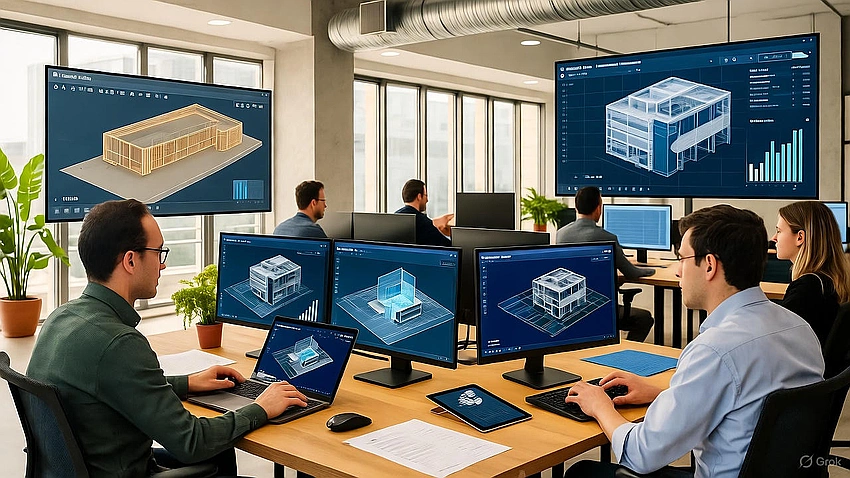
3D cost estimation is the advanced practice of using Building Information Modeling (BIM) data to generate highly detailed and dynamic project cost estimates.
Unlike static, labor-intensive 2D estimations that rely on manual takeoffs from flat blueprints, the 3D method creates an interactive, digital environment. This allows estimators to:
- Visualize: See every structural and non-structural component in three dimensions.
- Link Data: Directly tie cost, quantity, and specification data to the design elements (e.g., this exact wall type costs X per square foot).
- Simulate: Run various "what-if" scenarios in real-time to assess financial impacts before any physical work begins.
The core strength here is integration. By unifying design and cost on a single platform, the process virtually eliminates the common discrepancies that lead to budget overruns and ensures all stakeholders are working with the same, up-to-date financial picture.
The Impact on Construction Estimation
The traditional estimation process is historically slow, prone to human error, and disconnected from the design's evolution. 3D cost estimation fundamentally changes this dynamic:
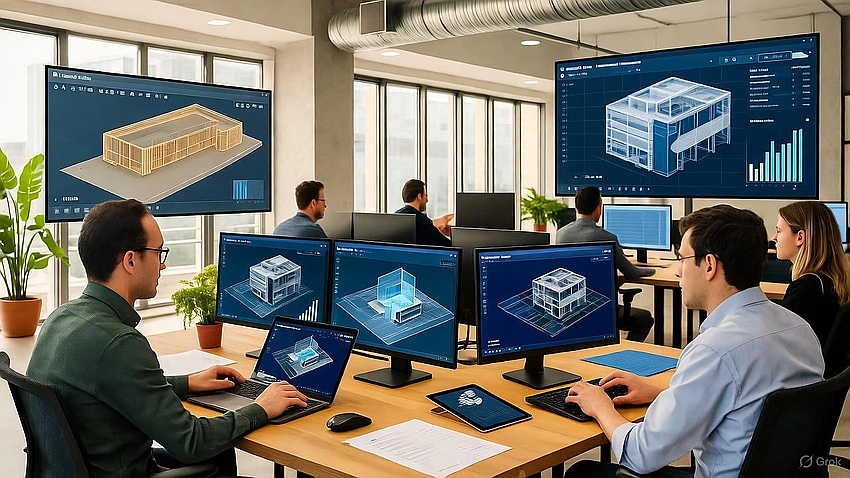
- Automated Takeoffs, Zero Error: BIM-enabled estimation software allows estimators to extract quantities directly from the 3D model. This eradicates the need for manual calculations, significantly reducing the risk of human error and speeding up the process exponentially.
- Real-Time Design Synchronization: When a design change occurs (say, a wall moves or a window size changes), the associated quantities and cost estimates update automatically. This ensures the budget is perpetually aligned with the latest design, preventing miscommunication between the design and finance teams.
- Enhanced Stakeholder Understanding: The visual clarity of 3D models helps all parties—from clients to lenders—quickly grasp the project's scope, scale, and cost distribution, leading to smoother approvals and better communication during the critical planning stages.
Elevating Construction Procurement
Accurate cost data is the foundation of smart procurement. By integrating 3D cost estimation with construction procurement software, teams can transform their buying strategies:
- Intelligent Purchasing: Procurement managers gain access to precise, detailed breakdowns of material quantities, specifications, and associated costs straight from the model. This level of detail allows for more informed bulk purchases, reduces material waste, and helps optimize logistics.
- Scenario-Based Planning: Procurement teams can use the 3D model to evaluate the financial implications of different sourcing decisions or construction methods. For example, they can immediately compare the cost of using local versus imported materials, or using pre-fab versus site-built components, before finalizing orders.
- Data-Driven Alignment: Since estimators, designers, and procurement teams are all drawing from the same BIM data, the risk of misalignment (e.g., ordering the wrong quantity or specification) is sharply reduced. This shared truth fosters greater transparency and collaboration.
Key Advantages of the 3D Approach
Adopting 3D cost estimation provides undeniable competitive advantages:
Superior Accuracy
By linking costs directly to verifiable design elements, estimates are more precise, minimizing contingencies and surprises.
Time Savings
Automated quantity takeoffs and instant recalculations drastically reduce estimation lead times, freeing staff for strategic tasks.
Risk Mitigation
Detailed forecasting and the ability to run financial simulations help identify and address potential budget risks early on.
Cost Optimization
Precise estimates and efficient procurement processes minimize material waste and improve overall budget control.
Better Collaboration
A single, visual, data-rich model facilitates clear communication and alignment across all project teams.
The Future is Integrated
The role of 3D cost estimation is only expanding. Soon, advanced technologies will unlock even greater potential:
- AI-Powered Predictions: Artificial intelligence will analyze historical project data to predict costs with even greater accuracy and flag potential overruns based on design patterns.
- Cloud-Based Ecosystems: Seamless integration with cloud-based platforms will allow for instant, global collaboration, ensuring geographically dispersed teams are always working on the latest financial and design data.
- Digital Twins and IoT: Real-time data feeds from construction site technologies (like drones and IoT sensors) will flow back into the 3D model, providing live status updates that inform ongoing cost control and project management decisions.
3D cost estimation is rapidly becoming an essential tool for any firm aiming for operational excellence. By bridging the gap between design, estimation, and procurement, it provides the precision, efficiency, and collaboration needed to deliver successful projects in the modern construction landscape.

Login to comment.
No thots yet. Be the first to share your thoughts!