Xi’s PLA purge deepens as top general Zhang Youxia comes under investigation

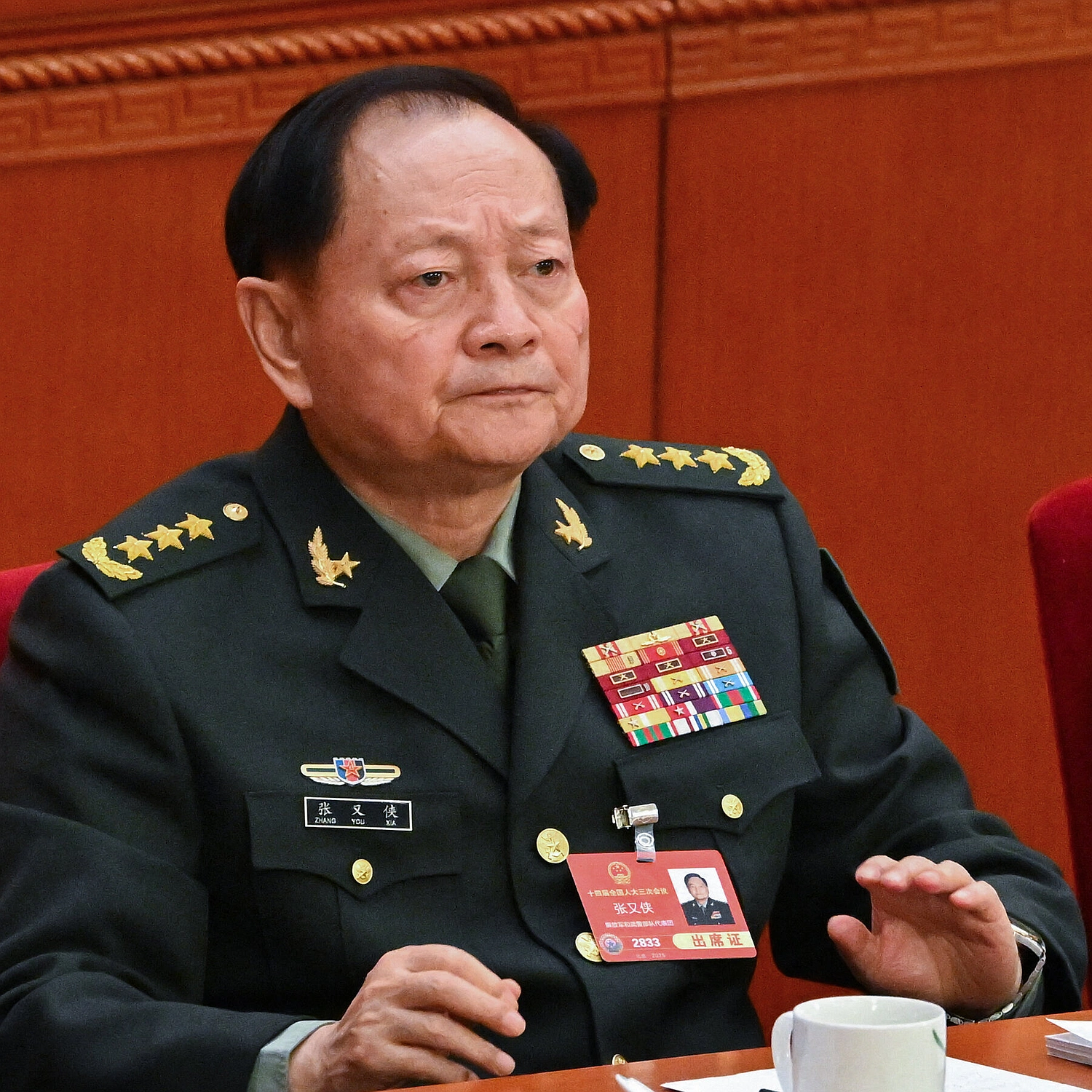
Xi’s PLA purge deepens as top general Zhang Youxia comes under investigation
China’s top military leader Zhang Youxia is under investigation for suspected serious violations, signaling a bold power move by Xi Jinping within the PLA.
In a move that could reshape China’s military leadership, Zhang Youxia—vice-chair of the Central Military Commission and the PLA’s second-in-command—is under investigation for suspected serious violations. He stood just inches from Xi Jinping at a late-December military ceremony, underscoring his long-running proximity to the country’s top leader and his central role in the armed forces.
Alongside him, Liu Zhenli, another Central Military Commission member, is also under investigation. While neither has been formally removed from the party or the commission, the step signals a high-stakes process that could lead to disciplinary action or a formal purge. The defense ministry’s announcement framed the case in party terms: the men “seriously betrayed the trust and expectations” of the party and the CMC, and they allegedly fostered political and corruption problems that threaten the party’s absolute leadership over the military.
Precise details of the allegations have not been disclosed, but the affair is widely viewed as one of the most significant leadership reckonings in the PLA in decades. Analysts suggest the move reflects not only anti-corruption efforts but a deliberate assertion of authority by Xi Jinping, sending a warning to senior officials about loyalty and political reliability. The case has sparked discussion about whether the timing and nature of the probe foreshadow broader reorganizations within Beijing’s security apparatus.
Zhang Youxia has long been seen as one of Xi’s most trusted military allies, a relationship that has helped shape the PLA’s modernization and doctrinal direction. If he and Liu Zhenli are sidelined or removed, the balance of power within the Central Military Commission could shift, potentially altering strategic choices and the PLA’s organizational culture. The investigation’s lack of a clear timetable or charges emphasizes the opaque, high-stakes nature of internal party processes that govern China’s military leadership.
With the case unfolding behind closed doors and no definitive outcomes yet announced, Beijing observers are watching not only for who may fall but for what reforms or loyalty tests could follow. The broader implication is whether the leadership’s grip on the military will tighten further and how any changes might influence policy, regional security, and the Communist Party’s control over the armed forces.
