Vinicius Jr. Faces Eight Years of Racism at Real Madrid

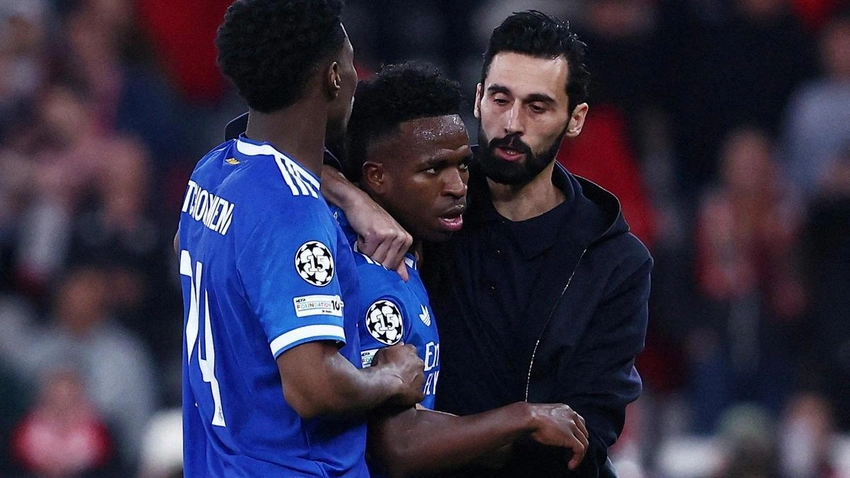
Vinicius Jr. Faces Eight Years of Racism at Real Madrid
A timeline of Vinicius Jr.’s Real Madrid years, detailing 20 alleged racist incidents and the ongoing fight against discrimination in football.
Vinicius Junior’s journey at Real Madrid has been marked by a harsh reality: racism that has accompanied his ascent as one of football’s most visible figures. Across stadiums in Spain and beyond, the forward has faced abuse tied to his race, with the latest incident at Estadio da Luz marking what prosecutors describe as the 20th alleged act during his time with the club. This troubling pattern has spanned years and venues, highlighting the persistent challenge of discrimination in the sport.
The timeline of incidents reads like a depressingly familiar chronology. In October 2021, during a Clasico at Camp Nou, Vinicius was subjected to racist abuse as he was substituted, but authorities closed the case due to the inability to identify the perpetrator. In March 2022, Mallorca fans aimed monkey noises at him and urged him to “go pick bananas.” While officials expressed outrage, they did not deem the acts criminally significant at the time, and no further action followed. Later that year, an Atletico Madrid incident saw fans chanting abuse outside the stadium, with prosecutors again opting not to press charges.
The cruelty escalated in January 2023 when a doll wearing Vinicius’s jersey was found hanging from a bridge. Four members of the Frente Atletico supporters’ group were sentenced to prison terms ranging from 14 to 22 months, later commuted to fines and restraining orders. Incidents continued in the subsequent years, underscoring how police and judicial systems have at times struggled to translate hostile acts into formal sanctions. The broader context includes debates about how football culture has treated rudeness and abuse, and the role of organizations like La Liga in pursuing accountability for those responsible.
Amid the ongoing incidents, Vinicius has remained a symbol of resistance against discrimination, with observers calling for stronger, consistent enforcement to ensure such abuse does not go unpunished. The case underscores a clash between a sport’s vibrant rivalries and the imperative to protect players from racial abuse, on and off the field.
