California Renames Cesar Chavez Day to Farmworkers Day Amid Legacy Debates

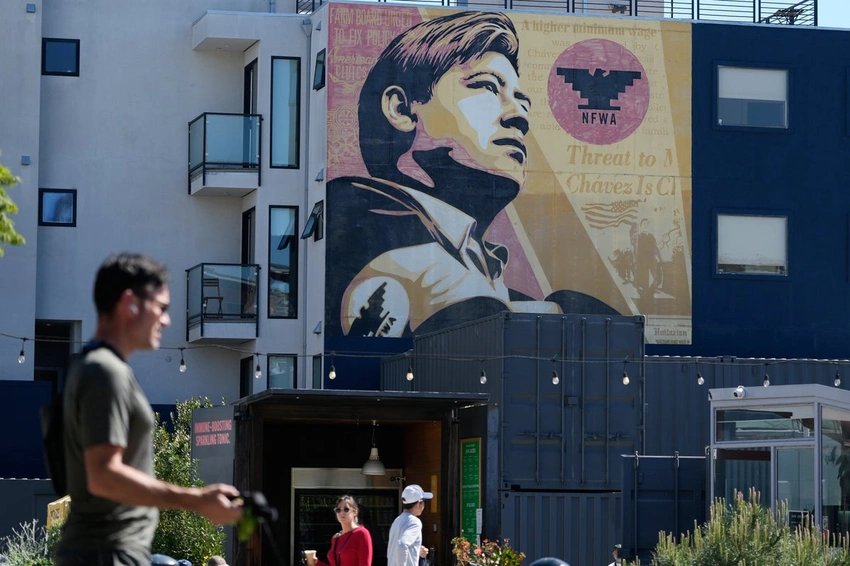
California Renames Cesar Chavez Day to Farmworkers Day Amid Legacy Debates
Governor Newsom signs a bill to rename Chavez Day to Farmworkers Day as communities reassess his legacy amid troubling allegations and shifting memorials.
In a landmark move shaping how Californians observe a long-standing holiday, Governor Gavin Newsom signed legislation renaming Cesar Chavez Day to Farmworkers Day. The change, timed to take effect before the March 31 observance, centers on recognizing the labor contributions of farmworkers who power the state’s economy. The bill aims to preserve public ceremonies while reframing the holiday around the people who work in the fields and fields’ labor history.
The renaming arrives amid a broader reckoning over Chavez’s legacy, including sexual abuse allegations that have prompted communities to reconsider how they memorialize him. As a result, some events tied to Chavez Day have been renamed, postponed, or canceled, and discussions about appropriate commemorations have intensified across numerous counties.
Supporters contend the new label foregrounds the real engine of California’s agricultural sector and aligns the holiday with contemporary discussions about workers’ rights and immigrant contributions. Critics, however, warn that altering the name could complicate history and memory, potentially erasing the nuance of Chavez’s impact. The legislation seeks to minimize disruption to school programs and public ceremonies, encouraging educators and organizers to adapt materials while maintaining the day’s civic focus.
The move places California at the center of a broader national debate about how societies honor figures with complicated histories. Observers note that debates over renaming or reworking holidays tied to civil rights leaders have surfaced in other states and cities, raising practical questions about calendars, funding, and education. Advocates say the switch honors farmworkers and their essential role, while opponents urge careful consideration of how such changes shape public memory for future generations.
For Californians, the transition will involve updated signage, curricula, and event branding, but proponents insist the core purpose remains: recognizing labor rights, immigrant contributions, and the everyday work that sustains the state’s economy. Critics warn of confusion and backlash in communities where Chavez’s name has long been synonymous with the holiday, suggesting a careful, inclusive approach to the change will be necessary to satisfy diverse perspectives.
