Musk vs OpenAI: High-stakes trial reshapes AI's future

Musk vs OpenAI: High-stakes trial reshapes AI's future
Elon Musk takes the stand in a landmark New York trial, accusing OpenAI of betraying its nonprofit roots and pushing unsafe AI as Altman faces governance questions.
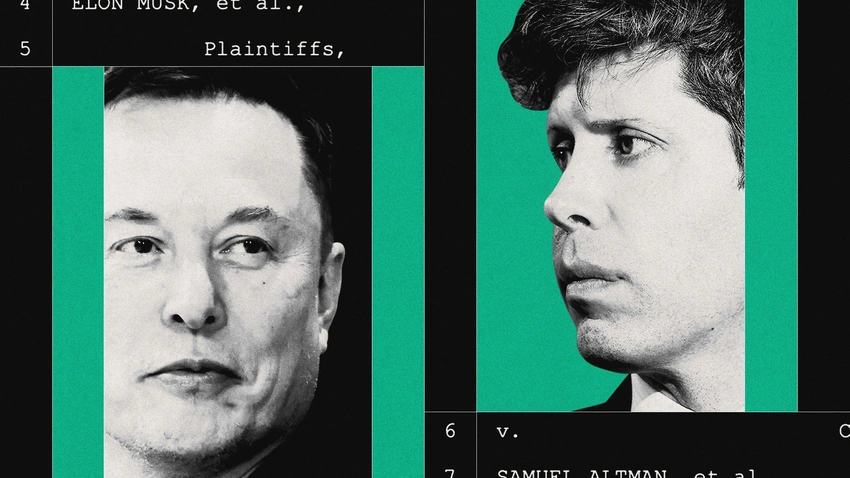
In a New York courtroom this week, Elon Musk took the stand in a high-stakes dispute that has cast a long shadow over the AI industry. He accused OpenAI of looting charity and producing unsafe AI, arguing that the nonprofit mission behind the project has been betrayed. The case centers on the relationship between Musk and OpenAI co-founder Sam Altman, and what governance means for the future of artificial intelligence.
Observers have called it the richest grudge match in history, turning a technology boom into a public drama about motive and power. The dispute frames a clash over stewardship: Altman’s leadership and the choices made since OpenAI’s early days, and whether the project remained true to its nonprofit roots or evolved into a for-profit venture with different incentives. The drama has already drawn attention from industry watchers who see this as more than a personal feud; it could redefine how AI labs balance mission, funding, and safety as the field accelerates.
Musk’s testimony revisited a story he has shared before—across interviews and with author Walter Isaacson for his biography of Musk—about reshaping the relationship with OpenAI and the friendship with Altman. Tuesday marked the first time Musk spoke under oath about these issues, while Altman and others argued about governance, accountability, and the path OpenAI has taken in what many see as a pivotal moment for AI safety and public trust.
Legal observers say the stakes extend beyond personalities. If the case succeeds in clarifying nonprofit alignment or governance controls, it could set a template for how research labs approach mission vs. monetization in a field where breakthroughs arrive quickly and the public bears the consequences. The trial has already sparked questions about possible regulatory pathways and how transparent AI leadership should be with the communities they serve.
With more hearings ahead, industry watchers will be looking to see whether the drama yields substantive clarity on AI safety, governance, and the future of philanthropic research in a landscape defined by rapid innovation. The outcome could influence not just OpenAI, but how tech labs worldwide navigate the balance between mission, money, and responsibility.
